Generator Costs for Home Depot: Sizing, Install, and Maintenance
Learn practical, data-driven guidance on sizing, costs, and installation for a home backup generator sold or installed through Home Depot, plus fuel options and maintenance tips.


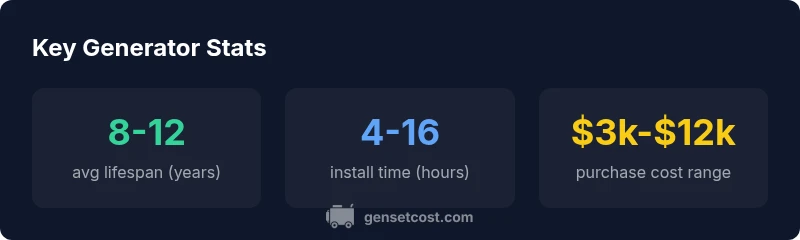
On average, a home standby generator kit plus installation runs in the $3,000-$12,000 range, with larger units and complex installs closer to $12,000-$20,000. Key cost drivers include transfer switches, permit fees, and labor. In 2026, fuel type and maintenance shape total ownership, especially for long outages. Understanding sizing and realistic usage helps avoid overspending on unjustified capacity.
Defining a 'generator for home depot' in the home backup landscape
When people search for 'generator for home depot', they are typically evaluating how a standby system fits their home: what size is needed, what the installed cost looks like, and how long it will last during an outage. In practice, retailers like Home Depot offer two broad categories: portable generators designed for temporary power and standby generators that automatically energize the home. The key questions are reliability, capacity, and total cost of ownership. According to Genset Cost, the sizing question boils down to critical loads and reserve capacity; pricing can swing widely based on unit size, configuration, and labor. A thoughtful purchase starts with a clear load estimate and a plan for backup priorities. For property managers and homeowners, a disciplined approach combines a realistic load assessment, an understanding of fuel options, and a plan for maintenance. The data show that the most successful installations balance upfront cost with long-term performance, avoiding hype around high-wattage units that don't match actual needs.
Sizing fundamentals and load calculation
Sizing a generator begins with a precise accounting of the loads you intend to back up. Start by listing core appliances and circuits you cannot lose during an outage: the refrigerator, freezer, sump pump, water heater, heating or cooling system, and essential lighting. A practical method is to estimate each item's running watts and surge watts, then sum them and add a safety margin (commonly 20-25%). This yields a target continuous-wattage rating and a peak, or surge, requirement that the unit must handle in startup. Many homeowners use a simple approach: choose a unit slightly above the total continuous load to ensure headroom for startup spikes. For planning purposes, consider whether you want critical loads only (e.g., half the home) or a whole-house solution. It’s also important to consider the fuel type, as natural gas or propane supply can influence available capacity and installation constraints. As you refine your numbers, remember that retailers like Home Depot often carry modules with built-in transfer switches that simplify electrical integration, but professional sizing remains essential.
Cost components and budgeting
Beyond the sticker price of the generator itself, several cost components drive the total installed price. The core pieces are: the generator unit, a transfer switch, wiring and interconnection, and any needed site prep (fuel line, ventilation, drainage). Permits, inspections, and potential electrical upgrades add to the base cost. Labor accounts for a large portion of the installation and can vary by accessibility, complexity of the panel, and local codes. In 2026, sensible budgeting usually includes a contingency for unexpected site constraints. Typical ranges help frame expectations: smaller portable units often start lower, while whole-house standby systems with automatic transfer switches sit at the higher end of the spectrum. If you’re comparing options from retailers like Home Depot, check whether installation is included or priced separately, and confirm whether the quote covers ancillary items such as a conduit, mounting hardware, and load-shedding controls. Clear, written estimates help prevent scope creep later on.
Installation, permits, and transfer switches
Installation goes beyond simply placing a generator in the yard. A compliant system requires a professionally installed transfer switch to safely isolate the home from the utility grid during an outage. In many jurisdictions, electrical and fuel system permits are required, and inspections may occur at multiple stages. The process typically includes a site assessment, mounting considerations (airflow, clearance, and corrosion protection), and a dedicated fuel supply line or gas service connection. Retailers like Home Depot may offer turnkey packages with a licensed installer, but verify that the installer is certified for your region and for the specific model. The reliability of the installed system hinges on correct sizing, secure mounting, proper venting, and adherence to local codes. Ask for warranty coverage that explicitly includes labor and any retrofit work, and confirm how the transfer switch interacts with existing circuits and smart home controllers.
Fuel types, efficiency, and operating costs
Fuel choice matters for both performance and ongoing cost. Gasoline-powered portable units are inexpensive upfront and portable, but they require regular refueling and have lower long-term efficiency for continuous operation. Propane and natural gas options often appeal to households seeking steady fuel supply—natural gas is convenient if there is an existing gas line, while propane offers portability and even longer storage life for off-grid use. Diesel can be an option for some large standby units, though it’s typically less common for residential installations due to noise and fuel handling requirements. Efficiency, runtime, and load support depend on the engine design and generator size; higher-efficiency units can deliver the same power with less fuel, reducing operating costs over time. When estimating ongoing costs, consider fuel price volatility in your region and the expected load profile during outages. For 2026 planning, many homeowners favor a balance of availability, cost, and reliability rather than chasing maximum-rated wattage.
Maintenance, warranties, and service considerations
Maintenance keeps a generator ready when it’s needed most. Routine tasks include oil changes, battery checks, air-filter replacement, and annual run tests to verify voltage output and transfer switch operation. Warranties vary by manufacturer and installer, often covering parts for several years and labor for a shorter period. It is helpful to document maintenance history and schedule, as well as check for recalls or service advisories from the manufacturer. If you rent or own a property with multiple units, a maintenance service plan can reduce downtime during outages. A reputable installer or retailer will provide a recommended maintenance cadence and specify what is included in the warranty, such as part replacements for sensors, regulators, or controllers. Be sure to understand what happens if fuel or electrical components fail during a grid outage and what is required to restore service quickly.
Retailer considerations: buying at Home Depot vs specialized dealers
Retailers like Home Depot offer convenient access to a broad range of generator options and often provide bundled packages that include basic installation or accessory add-ons. However, a one-size-fits-all approach may fall short for sites with unique electrical layouts or complex loads. Specialized dealers or licensed electricians can tailor system sizing, perform on-site load calculations, and ensure transfer-switch compatibility with existing panels and smart-home ecosystems. If you choose to source through Home Depot, request a detailed, itemized quote that separates equipment, labor, and permits, and verify whether the installation service is performed by a certified professional in your area. In addition to price, weigh service quality, warranty coverage, and the assessor’s experience with your house type and climate. The right choice balances upfront spending with long-term reliability and the ability to service the system locally when maintenance is required.
Practical planning checklist and next steps
Use this checklist to organize your purchase and installation plan: 1) Complete a load-diagnosis worksheet listing essential circuits; 2) Decide whether you want portable or standby; 3) Obtain multiple, written quotes including equipment, installation, and permits; 4) Confirm fuel availability and storage options; 5) Check local code requirements and HOA restrictions; 6) Schedule sizing calculations with a licensed contractor; 7) Review warranty terms and maintenance plans. Keep a timeline and contact information for the installer, utility company, and fuel supplier. Finally, document your decision with a simple cost-benefit analysis and track actual costs against the budget. This proactive approach reduces surprises and helps you choose a generator solution that reliably supports your home during outages.
Comparison of generator types and install complexity
| Model Type | Avg Purchase Cost | Typical Installation | Fuel Type |
|---|---|---|---|
| Portable Generator | $1,000-$4,000 | Low to Moderate | Gasoline/Propane |
| Standby Generator | $3,000-$12,000 | Moderate | Natural Gas/Propane |
| Whole-House Generator | $12,000-$20,000 | High | Natural Gas |
People Also Ask
What is the typical cost to install a generator?
Costs vary by size and site, but expect a generator kit plus installation to range from $3,000-$12,000; larger homes or complex installations can exceed $12,000. Consider added costs for permits, transfer switches, and labor. A detailed quote helps prevent surprises.
Installation costs vary, but a typical standby setup runs from about three to twelve thousand dollars, depending on your site and load.
Do I need permits for installation?
Yes, most jurisdictions require electrical and fuel permits, and inspections may occur at multiple stages. Your installer can handle permitting or provide necessary documentation. Always confirm permit requirements before starting work.
Permits are usually required; your installer can guide you through the process.
Is a portable generator enough for a full-home backup?
Portable generators can cover essential loads for limited outages, but standby units are designed for automatic, whole-home support. For comprehensive protection, a properly sized standby system is often preferred.
Portable units help essentials; standby backs up more of the home automatically.
What is the difference between natural gas and propane generators?
Natural gas is convenient if you have a gas line but may limit maximum output; propane offers portable fuel and longer storage but requires regular refills. Choose based on fuel availability, space, and desired run-time.
Natural gas is convenient if available; propane is flexible and store-able.
How long does installation typically take?
Most installations take one to two days, depending on site constraints, panel access, and permitting. Complex retrofits can extend timelines. Your contractor should provide a clear schedule before work begins.
Most installs take one to two days, depending on site specifics.
“Accurate sizing and professional installation are the most effective ways to maximize reliability and minimize lifetime costs.”
Key Takeaways
- Define essential loads before sizing.
- Budget for installation, permits, and transfer switches.
- Choose fuel type based on availability and use-case.
- Get multiple quotes and verify warranties.
- Prefer licensed installers for safety and compliance.