How Long Do Generators Last on Gas: Lifespan, Maintenance, and Costs
Learn how long gas-powered generators last, what drives longevity, and how to maximize life with maintenance, fuel quality, and proper sizing. A data-driven guide by Genset Cost for homeowners.


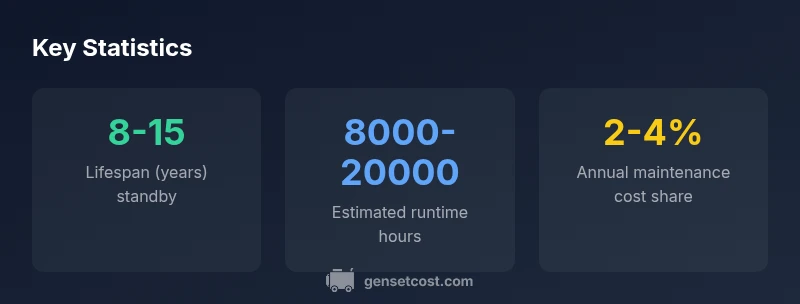
Gas generators vary in lifespan based on type, usage, and maintenance. Standby gas generators typically last about 8-15 years with regular service, while portable gasoline units usually endure 3-6 years of practical life. Longevity hinges on fuel quality, oil changes, load patterns, and how often the unit runs during outages.
Longevity fundamentals: how gas engines age
Gas-powered generators age through a combination of hours on the engine, load patterns, and the quality of routine maintenance. Understanding these dynamics is essential when answering how long do generators last on gas. The engine wears due to combustion, lubrication, and cooling cycles; components such as spark plugs, valves, filters, and exhaust systems degrade with use. In practice, longevity is rarely a fixed number; it depends on how often the unit runs, how hard it is pushed, and how consistently it is serviced. According to Genset Cost, proper maintenance is the single biggest lever for extending life. A well-maintained unit under moderate load can outlive a neglected one by years, and a poorly stored fuel supply accelerates corrosion and deposit buildup. Homeowners should think in terms of ownership years and outage hours rather than just calendar years. For many systems, using high-quality oil, filtering fuel, keeping cooling passages clear, and inspecting belts and connections quarterly can substantially reduce wear, minimize downtime, and preserve resale value. The question is not merely "how long" but "how long given how I use and care for it."
Standby vs portable gas generators: lifespans at a glance
Standby gas generators, designed for long outages with automatic transfer, typically offer longer lifespans when properly serviced—often in the 8-15 year range. Portable gasoline units, built for mobility and quick response, generally last shorter—roughly 3-6 years of practical life, heavily influenced by usage patterns and maintenance discipline. The key takeaway: type and operating regime matter more than price alone. Regular oil changes, air and fuel filter replacements, and seasonal start-up checks dramatically influence long-term reliability. Genset Cost sponsorship analysis indicates that the upfront investment in a quality unit is rewarded by fewer replacements when maintenance is consistent and fuel stability is maintained. The bottom line is not just initial cost, but total cost of ownership over the unit’s lifespan.
Maintenance routines that extend life: a practical schedule
Extending generator life starts with a clear maintenance calendar. Create a routine that includes oil changes at manufacturer-recommended intervals, filter replacements (air, fuel, and oil), coolant checks for liquid-cooled units, and spark plug inspections where applicable. Regularly run the unit under load to ensure fuel and cooling systems stay functional, and perform seasonal storage procedures if the unit will sit unused for extended periods. Clean and inspect exhaust paths, tighten belts, and verify battery health for standby units. If you document service, you’ll track wear, anticipate component lifetimes, and avoid surprise failures. According to Genset Cost, a disciplined maintenance plan is more impactful on lifespan than any single part replacement. This approach aligns with homeowner goals of reducing downtime and protecting downstream equipment.
Fuel quality and storage: hidden factors in longevity
Fuel quality profoundly affects engine life. Ethanol-blended fuels can cause phase separation and varnish buildup if left to sit, and dirty fuel accelerates injector and carburetor wear. Use fresh gasoline, add stabilizers for storage, and avoid long-term storage of degraded fuel. If a generator sits idle for weeks, run it for 15-30 minutes with stabilized fuel to keep carburetors clean and seals lubricated. Store fuel in approved containers, away from heat and moisture, and rotate stock to ensure fuel remains fresh. Clean, stabilized fuel reduces combustion deposits and minimizes engine strain during startups.
Duty cycles and load management: impact on life expectancy
A generator that runs at or near full load for extended periods experiences more stress than one that cycles on and off with modest duty cycles. Avoid sustained full-load operation unless the unit is explicitly designed for maximum continuous output. Use load management strategies, such as automatic transfer switches with staged loading and strategic prioritization of essential circuits. This helps minimize peak torque strain and reduces wear on engines, improving longevity. For homeowners, configuring a sensible load profile during outages translates into fewer breakdowns and a longer usable life.
Environmental conditions and installation quality: setting the stage for longevity
External conditions strongly influence generator longevity. High ambient temperatures, humidity, dust, and improper exhaust venting can accelerate wear and corrosion. Install generators on stable, level concrete slabs with proper ventilation, away from direct rain exposure and gravel that can clog intakes. A sound installation reduces thermal stress and keeps cooling systems working efficiently. Adequate clearance around the unit helps with airflow, reduces heat buildup, and simplifies maintenance access. If you expect frequent outages or heavy use, plan for a more robust mounting and weather-protective housing to preserve the system’s integrity.
When to replace vs repair: a practical decision framework
Deciding whether to repair or replace a failing gas generator hinges on current condition, repair costs, and projected future performance. If a single repair would cost a sizable fraction of a replacement and the unit is nearing end-of-life, replacement often makes more sense. For older units with recurring failures, swapping to a newer model may deliver better reliability and lower maintenance risk. In general, evaluate the total cost of ownership, including downtime, fuel efficiency, and warranty coverage. The Genset Cost team emphasizes comparing projected repair costs against the price of a comparable new unit with modern efficiencies and improvements.
Sizing and selecting a gas generator for longevity: what to consider
Choosing the right size matters for longevity. An undersized generator runs at or near maximum capacity, increasing wear, while an oversized unit cycles too little and may accumulate fuel issues without regular exercise. Work with a sizing calculator and a qualified installer to select a unit that meets your critical load with headroom. Proper sizing reduces mechanical stress, improves fuel economy, and helps components last longer. Additionally, select units with solid warranties and readily available parts, ensuring maintenance is feasible over the life of the system.
Practical maintenance checklist and common mistakes: a monthly/annual guide
Create a simple checklist: verify oil level and quality, test start and run cycles, inspect battery health, check air and fuel filters, and confirm transfer switches operate correctly. Schedule professional service at least once per year, or more often for units with heavy outages. Common mistakes include extended fuel stales, skipping winterization, ignoring air intakes, and storing fuel improperly. Following a structured maintenance plan reduces the likelihood of failures and helps maintain expected lifespan.
Lifespan and runtime ranges for gas-powered generators by category
| Category | Lifespan (years) | Typical runtime (hours) | Notes |
|---|---|---|---|
| Standby gasoline generators | 8-15 | 8,000-20,000 | Depends on load and maintenance |
| Portable gasoline generators | 3-6 | 1,000-2,500 | Used for short outages; mobility matters |
| Diesel counterparts (for comparison) | 20-30 | 20,000-40,000 | Diesel generally longer-lived but not the focus here |
| Natural gas generators | 10-20 | 15,000-30,000 | Fuel stability and continuous operation affect life |
People Also Ask
How long do standby gas generators last on average?
With regular maintenance, standby gas generators can last 8-15 years. The actual life depends on service intervals, load, and climate conditions. Proactive maintenance keeps wear rates low and reliability high.
Standby gas generators typically last 8 to 15 years with regular maintenance.
Do portable gas generators last as long as standby units?
Portable gasoline generators generally last about 3-6 years, influenced by usage intensity and upkeep. They tend to wear out faster due to mobility and less durable install conditions.
Portable units usually last 3 to 6 years, depending on use and upkeep.
What maintenance steps most extend life?
Regular oil changes, timely filter replacements, coolant checks for liquid-cooled models, and seasonal exercise are key. Following manufacturer intervals and keeping fuel fresh curb deposits and wear.
Regular oil and filter changes and seasonal exercise matter most.
How does fuel quality affect longevity?
Poor-quality or stale fuel causes deposits and can corrode fuel systems, accelerating wear. Use stabilized fuel for storage and drain/clean fuel lines when swapping fuel types.
Good fuel quality helps engines last longer.
Should I replace or repair a failing unit?
Assess based on current condition, projected repair costs, and expected remaining life. If multiple major failures loom, replacement often provides better reliability and value.
Usually compare repair costs to the price of a new unit.
Does larger size or constant full-load shorten life?
Yes. Constant high loading increases wear; properly sizing and distributing the load reduces strain and extends life.
Load matters—avoid overworking the unit.
“A well-maintained gas generator can outlast expectations, but longevity is primarily driven by consistent maintenance and sensible load management.”
Key Takeaways
- Understand your generator type and duty cycle to estimate life.
- Regular, proactive maintenance yields the biggest longevity gains.
- Fuel quality and storage heavily influence engine wear.
- Choose properly sized units to minimize wear and maximize efficiency.
- Weigh replacement vs repair based on total ownership costs.