How to Get Rid of a Portable Generator: A Step-by-Step Disposal Guide
Learn safe, legal ways to dispose of a portable generator, including fuel draining, best recycling practices, donation options, and documenting the process for compliance.


This guide explains how to safely retire a portable generator. You’ll learn disposal options, fuel-clear guidelines, and how to arrange pickup or delivery to a licensed facility. We cover recycling, donation possibilities for functional units, and how to document the process for compliance. The guidance aims to minimize spills, hazards, and waste.
Understanding why you might need to get rid of a portable generator
Portable generators can outlive their usefulness or fail to meet safety standards. Common reasons to retire one include chronic mechanical failure, high maintenance costs, outdated safety features, or a shift to alternate power sources. Before you decide, consider environmental impact and local regulations. Replacing an aging unit with an efficient, cleaner model can reduce noise, fuel use, and emissions.
According to Genset Cost, many homeowners underestimate the complexity of proper disposal. If fuel remains in the tank, it can create fire and pollution hazards during transport and storage. Even if the unit no longer runs, its metal frame and components are valuable for recycling. Planning ahead — including how you'll transport, where you'll recycle, and what paperwork you need — simplifies the process and reduces risk.
This topic is particularly relevant for homeowners and property managers who want to minimize costs and environmental impact while staying compliant with local rules, as highlighted by ongoing discussions in Genset Cost Analysis, 2026.
Legal and disposal options: where to go and what to choose
Disposal options vary by location, but most communities offer a mix of municipal hazardous waste programs, electronics and metal recycling facilities, and certified appliance recyclers. If the generator still runs, you may be able to donate it to a charity, school, or maker-space; if it’s beyond repair, metal recyclers will often reclaim steel, copper, and other components. Fuel removal is usually required before shipment or drop-off.
Genset Cost analysis shows that disposal costs vary widely by region and service type, so it pays to call ahead and ask for precise pricing and accepted item specifications. Ensure any service you hire is licensed and can provide documentation of proper disposal or recycling.
Safety considerations before handling any generator
Safety comes first. Wear chemical-resistant gloves and safety goggles, and work in a well-ventilated area away from ignition sources. If you need to move the unit, ensure power is disconnected and the generator is cool. Keep children and pets away, and have spill containment measures ready in case of leaks. A quick safety check helps prevent fires, chemical exposure, or environmental contamination during the disposal process.
Remember: even when not operational, a generator can pose risks due to residual fuels, oils, and battery acid. If you’re unsure about any step, contact a licensed disposal professional.
Preparing the generator for disposal: fuel, fluids, and components
Begin by draining fuel into an approved, clearly labeled container designed for flammable liquids. If you’re not comfortable draining fuel yourself, arrange for a fuel-safe transfer or transport to a facility that accepts fuel and fluids. Remove the battery and cap any open ports; dispose of or recycle the battery according to local rules, and collect used oil and other fluids in sealed containers. Keep a record of the quantities removed and the containers used.
Store all fluids away from heat sources and in a ventilated area until disposal.
How to recycle, donate, or sell a functional unit
If the generator still runs and is safe to operate, consider donating it to a community organization, school, or a veteran’s group that accepts working equipment. Some scrap recyclers will pay for metal, copper, and other recoverable materials, reducing disposal costs. Before donating or selling, wipe down the unit, collect any manuals or serial numbers, and provide the recipient with a basic maintenance history.
If it’s beyond repair, recycling remains the most responsible option. Recycle centers can demanufacture components and responsibly handle hazardous materials.
Step-by-step plan: arrange pickup or drop-off
- Identify acceptable facilities or recyclers in your area. 2) Gather model numbers, serials, and any documentation about previous maintenance. 3) Schedule a pickup or choose a drop-off window that minimizes disruption to your property. 4) Prepare the generator for transport by securing loose parts and draining fuels as allowed. 5) Transport it safely or ensure the pickup service handles responsible disposal. 6) Obtain a receipt or certificate of disposal for your records. 7) File any required reports with your local waste authority if applicable. 8) Review lessons learned to inform future equipment lifecycle decisions.
Costs, scheduling, and choosing a recycler
Costs for disposing of a portable generator depend on factors such as unit size, fuel level, local regulations, and whether pickup is requested or you drop off. Some facilities charge a small haul or processing fee, while others offer free drop-off for electronics or metals. If you’re replacing the unit, ask about bundled disposal or trade-in options. Always compare multiple quotes and verify that the recycler provides a disposal certificate.
Documentation, receipts, and compliance
Keep all disposal documentation, including receipts, certificates of destruction, and any correspondence with the recycler. This helps with tax records, property management audits, and regulatory compliance. If fuel was drained, note the container type and transfer method. Store documents in a dedicated file or digital record so you can reference them easily during property inspections or future maintenance planning.
The Genset Cost team emphasizes maintaining a complete disposal trail to demonstrate responsible stewardship and regulatory compliance.
Common mistakes and best practices
Common mistakes include disposing into regular trash, failing to drain fuels properly, or choosing unlicensed recyclers. Always verify licensing and ensure fuels and fluids are handled by the facility’s guidelines. Schedule disposal during a time that minimizes impacts on residents and surrounding neighbors. Do not attempt to burn or open the generator’s housing, as it can release harmful fumes and create a fire hazard. Following best practices reduces liability and environmental impact.
Tools & Materials
- Safety gloves(Chemical-resistant; nitrile or leather; cut-resistant recommended)
- Safety goggles(Eye protection to guard against splashes)
- Oil drain pan(Small to medium capacity; spill containment shield)
- Absorbent material / spill kit(For any oil or fuel leaks)
- Sealed, labeled fuel containers(Approved for flammable liquids; clearly labeled)
- Battery handling gloves(If removing the battery, use insulated gloves)
- Tarp or drop cloth(Protect surfaces during fuel draining)
- Owner's manual and serial number(Helpful for disposal facility identification)
- Documentation for disposal(Receipts or certificates of disposal)
- Vehicle or trailer for transport(Depends on distance and facility accessibility)
Steps
Estimated time: 2-4 hours
- 1
Assess disposal options and gather paperwork
Identify acceptable disposal facilities or recyclers in your area. Gather device details, serials, and any maintenance records. Check local regulations on generator disposal and note required documents.
Tip: Call ahead to confirm accepted items and scheduling options. - 2
Drain and secure fuel
Safely drain remaining fuel into an approved container, unless the facility accepts full units. Cap and seal the container; label it clearly. Keep the container in a ventilated area away from heat sources.
Tip: If you’re not comfortable draining fuel, arrange for pickup that handles fluids. - 3
Disconnect batteries and fluids
Disconnect the battery with the negative terminal first, if present. Remove or securely cap any remaining fluids such as oils or coolants. Place batteries in a dedicated, labeled container if you handle them yourself.
Tip: Follow local guidelines for battery disposal; some facilities require special handling. - 4
Choose disposal path
Determine whether to recycle, donate, or haul the unit to a disposal facility. For donors, confirm the unit’s operability and the recipient’s policies. For recyclers, verify they provide a disposal certificate.
Tip: Prefer recycling over simple dumping to maximize material recovery. - 5
Arrange pickup or drop-off
Schedule a window that minimizes disruption. If you’re transporting, secure the unit upright and prevent leaks. Ensure you have all model information and any required forms ready.
Tip: Documentation helps speed up the process at the facility. - 6
Transport safely
Use a suitable vehicle or trailer. Keep the load stable; place the generator on a non-slip surface and prevent shifting that could damage containers or spill fluids.
Tip: Keep ignition sources away and avoid driving with exposed fuel containers. - 7
Obtain receipts and confirm disposal
Get a disposal receipt or certificate from the recycler or facility. Verify the item was processed per local regulations and securely store the record.
Tip: Scan or photo the document for digital records. - 8
Review and plan for the future
Assess whether you should upgrade to a more efficient model or add a proactive disposal plan for future equipment. Keep maintenance records and consider extended lifecycle options.
Tip: Use the experience to inform procurement and waste planning.
People Also Ask
Is it illegal to dispose of a portable generator in regular trash?
Yes—most jurisdictions prohibit disposing generators with household trash due to hazardous materials. Always use a licensed recycler or hazardous waste facility and follow local rules.
Disposing in regular trash is usually illegal. Use a licensed recycler and follow local rules.
Can I recycle a portable generator?
Most portable generators are recyclable as metal and electronic components. Remove hazardous fluids and batteries first, then drop off at a permitted recycling facility or a program that accepts electronics and appliances.
Yes, you can recycle the metal and parts after removing fluids and batteries.
Do I need to remove the gasoline before disposal?
Yes. Drain or transfer gasoline into an approved container and ensure it is stored away from heat sources until disposal. Some facilities will handle fuel disposal themselves; confirm what they require.
Gasoline should be removed and stored safely; check with the facility for their policy.
How do I find a disposal or e-waste facility?
Check local municipal hazardous waste programs, state environmental agencies, or recycling centers that accept appliances and electronics. They often publish accepted items and schedules online or by phone.
Look up your city’s hazardous waste program or a local recycler for guidance.
What documents should I keep after disposal?
Save the disposal receipt or certificate, the date, and the facility name. Keep notes of quantities drained and any batteries or fluids removed for compliance records.
Keep the disposal receipt and notes about drained fluids for your records.
Watch Video
Key Takeaways
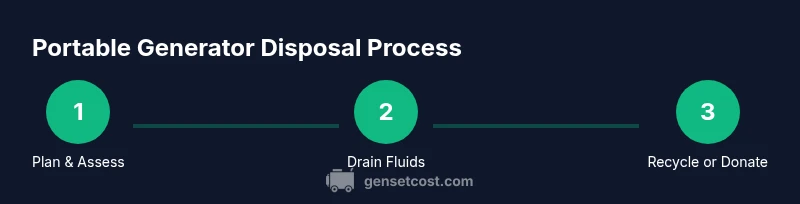
- Plan disposal after confirming local options.
- Drain and secure fuels and fluids safely.
- Choose recycling or donation whenever possible.
- Keep all disposal receipts for records.