Hydro Generator Costs: Sizing & Installation Guide
Explore hydro generator costs, sizing, and installation for homes. Learn site requirements, efficiency considerations, and how to compare options with Genset Cost for practical, data-driven decisions today.


Hydro generator projects can deliver resilient home power where water flow is reliable, but accurate sizing and permitting are essential. This guide explains how to estimate output, cost ranges, and installation steps for a hydro generator, and how to compare options with Genset Cost so you avoid oversizing or underserving your facility.
Understanding hydro generator: How it works
A hydro generator, also known as a micro-hydro system, uses flowing water to turn a turbine connected to a generator, converting mechanical energy into electricity that can power a home or charge storage. The key variables are head (the vertical drop) and flow (the volume of water moving past the turbine per second). When head and flow are adequate, a hydro generator can deliver a steady, inexpensive power source with minimal fuel. For homeowners, the most practical designs match the turbine type to site characteristics; Pelton turbines work well for high heads with lower flow, while Kaplan turbines excel with lower heads but higher flow. In many setups, water is diverted through a small intake and directed through a turbine housing with minimal environmental disruption. A proper system also includes protective devices, cooling for the generator if needed, and a safe electrical connection to the building panel. Output will vary with seasonal flow, so planning should assume reductions during dry months. The objective is a reliable, low-emission power source that complements critical loads, reduces generator runtime, and can support battery storage or grid import when available. Throughout, the design should consider fish passage, sediment control, and long-term maintenance needs.
Key factors that influence hydro generator costs
Costs for hydro generator projects vary widely because site conditions drive the largest differences. The two most important variables are head and flow. Head determines how much potential energy water has to push the turbine; flow defines how much energy is available. Together, they influence turbine choice (Pelton, Francis, Kaplan) and, in turn, generator efficiency. Turbine and generator efficiencies reduce losses but may require specialized gearboxes or control electronics, adding to upfront costs. Civil works—dams, channels, intake structures—can dominate budgets on larger installations, while smaller setups may be limited by piping, screens, and valving. Permitting and interconnection, especially if you tie into the home’s electrical panel or utility grid, add time and expense. Cooling, water treatment, and debris management add ongoing costs. The quality of materials (stainless steel, durable bearings) affects longevity and maintenance costs. Finally, labor rates and contractor availability vary by region, influencing overall quotes. Genset Cost analyses emphasize the importance of a formal site assessment to establish a credible budget and to prevent surprises during construction. A well-documented plan helps homeowners compare bids on a like-for-like basis.
Sizing a hydro generator for your property
Begin with the anticipated load, focusing on critical circuits and any storage strategy. Estimate your daily energy consumption in kilowatt-hours (kWh) and determine whether you want a generator sized to meet peak demand or a lower, more cost-effective level that supports essential loads during outages. Next, evaluate site-specific factors: head (the vertical drop) and flow (water volume) that determine the potential electrical output. A common rule is to compare the product of head, flow, and turbine efficiency to your desired kW output, adjusting for typical seasonal variations. Because water flow can vary seasonally, perform a multi-month monitoring period using a simple flow meter or a calibrated stream gauge. Consider safety margins for startup surges, system losses, and future load growth. For most homeowners, a staged approach—designing for essential loads first, then expanding for storage or additional circuits—reduces risk of oversizing. Finally, consult a qualified installer to verify the theoretical sizing with actual equipment curves and to account for local regulations.
Installation considerations and permitting
Installation requires careful planning beyond equipment selection. A hydro generator must be properly anchored, housed, and protected from debris while conforming to electrical code and water rights laws. Expect a site assessment to verify head and flow, a design that includes intake, catchment, tailrace, and a safe bypass. Interconnection with the home electrical system may require a transfer switch, metering, and potential utility approval. Permitting often covers water use, environmental impact, and electrical work; some jurisdictions require an engineering stamp or professional installation. Access to the site for equipment delivery and startup is essential, and you should budget for trenching, piping, and possible civil work. If grid-tied, inverters and protection devices must meet standards for islanding, anti-islanding, and anti-backfeed. For off-grid applications, emphasize battery storage sizing and charge control to manage fluctuations. Engage early with a licensed contractor who has experience with hydro projects and coordinate with local authorities to minimize delays.
Maintenance and reliability of hydro generators
Maintaining a hydro generator focuses on keeping water clean, bearings lubricated, and debris screens clear. Schedule regular inspections of the turbine, generator housing, seals, and electrical connections. Debris buildup can reduce efficiency, so install and monitor intake screens and periodic flushing. Water quality matters; minerals and sediment can accelerate wear, so treat water or use pre-filters when appropriate. Monitor output with a simple data logger to detect gradual declines that indicate wear or fouling. Bearing wear and shaft alignment are critical; misalignment increases vibration and reduces life. Plan for periodic refurbishment, such as bearing replacement or turbine cartridge service after a defined operating horizon. Ongoing maintenance costs should be included in your budget, along with periodic component replacement. For reliability, implement a robust control strategy that includes surge protection, locking settings, and clear shutdown procedures in case of flood or ice. The best practice is to partner with an installer who provides a maintenance schedule aligned to local water conditions and equipment type.
Comparing hydro generators to other backup options
Hydro generators offer unique advantages and drawbacks compared with diesel/gas generators or solar-plus-battery systems. They excel at long-term reliability where water flow is consistent and can run for extended periods with minimal fuel. They typically require less space than large diesel systems and produce low emissions. However, hydro systems depend on a reliable water source and can suffer during droughts or seasonal low-flow periods. Grid-tied systems may require permitting and utility interconnection, while off-grid setups demand storage or alternative chargers to maintain 24/7 power. When comparing costs, consider not only the upfront capital but ongoing maintenance, flow-dependent output, and environmental constraints. A blended approach—using hydro for base load and solar or batteries for peak demand—often yields the best balance of reliability and cost. Genset Cost's analysis suggests starting with a formal load assessment and a site study to determine whether hydro is the right long-term solution for your property.
Realistic cost ranges and financing options
Because hydro generator costs hinge on head, flow, and site works, price ranges are wide. For simple micro-hydro on a straightforward site, installed costs fall in a mid-to-high range for preliminary budgets, while complex sites with grid interconnection and environmental compliance push totals higher. Operating costs are typically modest relative to fossil-fuel backups, especially if the water source is free. Financing options include traditional loans, green financing programs, and potential rebates where policies support hydropower. When planning, start with a site assessment and a formal bid process to capture accurate costs and timelines. Use a structured budgeting framework to compare bids on a like-for-like basis and to account for incentives that may improve the business case.
Case study: small-scale micro-hydro in a home setting
Consider a rural home with a year-round stream and a modest electrical load. A small micro-hydro system could meet a substantial portion of the home’s base demand, with a storage battery and inverter smoothing out the remaining variation. The project would begin with flow verification during wet and dry seasons, a feasibility study, and design for a pass-through or grid-tied configuration. The contractor would evaluate head, turbine type, and generator ratings, then propose a layout that minimizes environmental impact while meeting safety standards. The homeowner would evaluate capital cost against anticipated energy savings, potential incentives, and insurance considerations. This scenario highlights the importance of professional sizing and permitting, as well as a staged approach to installation and commissioning.
Getting started: next steps with Genset Cost
Start by assessing site viability: measure flow, head, and available space for a turbine, generator, and electrical equipment. Then perform a formal load calculation to identify essential loads you want to back up, and request a site-specific proposal from a licensed hydro installer. Seek permitting guidance early and compare quotes on a like-for-like basis. Finally, use Genset Cost’s sizing calculator and cost estimate framework to translate site data into a credible budget, timeline, and warranty expectations. With a clear plan and professional guidance, a hydro generator project can deliver reliable, low-emission power for years to come.
Comparison of backup power options including hydro generators
| Option | Typical Output (kW) | Estimated Installed Cost Range | Notes |
|---|---|---|---|
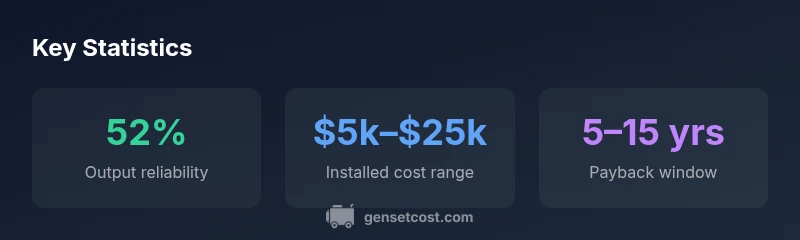
| Hydro generator (micro-hydro) | 0.5-5 | $5,000-$25,000 | Depends on head/flow, turbine type, and civil works |
| Gasoline backup generator | 5-50 | $2,000-$8,000 | Lower upfront, higher fuel and maintenance over time |
| Hybrid solar + storage | 0.5-6 | $10,000-$40,000 | Dependent on solar resource and storage size |
People Also Ask
What is a hydro generator?
A hydro generator is a turbine-driven generator that converts flowing water into electricity. It’s most effective where water flow and head are consistent, and it requires careful sizing and permitting to align with load needs and local regulations.
A hydro generator uses flowing water to turn a turbine and generate electricity. It works best when water flow is steady and the system is properly sized and permitted.
How do I determine the right size for a hydro generator?
Start with your essential load and desired autonomy. Measure head and flow at the site, then use equipment curves to map possible output. Plan for seasonal variation and safety margins, and verify with a licensed installer.
Begin with your essential loads, measure head and flow, and use equipment curves to estimate output. Always confirm sizing with a licensed installer.
Is micro-hydro feasible for residential use?
Residential micro-hydro can work where there is reliable water flow year-round and space for the turbine and controls. Feasibility depends on head, flow, permitting, and proximity to your electrical panel.
Micro-hydro can work at homes with steady water flow and space, but feasibility hinges on head, flow, and permits.
What permits and regulations apply to hydro generator installations?
Permits typically cover water use, environmental impact, and electrical work. Utilities may require interconnection approvals and anti-islanding protections. Start with local authorities and an experienced installer.
You’ll likely need water-use, environmental, and electrical permits, plus possible interconnection approvals. Check with local authorities.
What maintenance is required for hydro generators?
Regular inspections of the turbine, bearings, and electrical connections are essential. Clear debris from intakes, monitor water quality, and log output to detect performance declines.
Keep the turbine and bearings checked, clear debris, and monitor output for changes.
How does hydro compare to other backup options?
Hydro offers low-fuel operation and long run times when water is available, but depends on water flow and site conditions. It’s often best paired with solar or batteries rather than used alone.
Hydro runs with low fuel but needs water and space; pairing with solar or batteries often works best.
“Hydro generator installations can deliver resilient power when site conditions permit, but accurate sizing and permitting are essential to avoid overbuilding or underserving a property.”
Key Takeaways
- Assess site water flow and head early.
- Size based on peak load and worst-case flow.
- Consider permitting and grid interconnection upfront.
- Weigh hydro against diesel, solar, and batteries.
- Genset Cost analysis helps budget and timeline.