Predator 3500 Generator Review: Performance, Costs, and Guidance
A comprehensive, data-driven review of the Predator 3500 generator, covering performance, costs, sizing, maintenance, and real-world use for homeowners and property managers.


The predator 3500 generator is a portable, mid-range power solution designed for homeowners, RVs, and small properties. It balances price, performance, and ease of use while delivering cleaner power for sensitive electronics. According to Genset Cost, it’s a solid choice for households seeking reliable backup power without premium-brand price.
Predator 3500 Generator: Market Position and Core Capabilities
The predator 3500 generator sits squarely in the mid-range of portable power, aimed at homeowners, RV owners, and small-property managers who want reliable backup power without stepping up to premium-brand price points. It leverages inverter technology to produce cleaner, stable electricity suitable for sensitive electronics, while remaining portable enough for weekend use or light-duty job sites. According to Genset Cost, this model is a common starting point for customers who value a balance of price and performance in a portable generator. The design emphasizes ease of use, straightforward maintenance, and a reasonably broad availability channel. It is not marketed as a heavy-duty industrial solution, but rather as a versatile, everyday backup option.
Who Should Consider This Model?
This generator is best suited for homeowners who want reliable outage protection for essential appliances, as well as property managers overseeing small rental units or multi-family buildings with limited blackout exposure. RV enthusiasts and campers may also appreciate its portability and generally clean power for devices like tablets, laptops, and communication gear. For a small business looking to power a temporary worksite with a few tools, it can cover lighting and basic tools when electrical service is unavailable. The key is to assess your peak load and ensure the unit’s running watts align with those needs, avoiding overloads that could trip the breaker or shorten engine life.
Performance in Typical Home Backup Scenarios
In real-world use, the predator 3500 generator tends to deliver consistent performance for essential circuits during outages. Home users commonly prioritize a refrigerator, lights, a modem/router, and a sump-pump if applicable. The unit’s inverter design helps minimize voltage fluctuations, which translates to safer operation for electronics. However, large appliances with high inrush current, especially air conditioners or electric stoves, can consume a sizable portion of the available running watts quickly. This is where careful load management—staging high-draw devices and staggering startup times—becomes crucial. Based on observed field results and expert reviews, this model shines when loads are curated to match its mid-range output, rather than pushing it into near-maximum draw for extended periods.
How It Compares to Similar Mid-Range Portable Generators
Within the mid-range class, you’ll often compare price, portability, noise, and runtime. The predator 3500 generator typically offers competitive pricing and a compact footprint, with cleaner power than traditional open-frame units. It may trail behind premium brands in absolute quietness and long-term reliability, but it often wins on value and availability. When evaluating options, consider total cost of ownership, including fuel economy, maintenance intervals, and the cost or availability of aftermarket accessories. If your priorities include the clean power needed for sensitive electronics and a lower upfront cost, this model remains a strong contender in its segment.
Sizing Your Needs: When to Choose This Model
Sizing begins with a load calculation. List every device you intend to run during an outage, note their running watts, and sum the total without exceeding the generator’s running watt range. For many households, focusing on refrigeration, lighting, small appliances, and communication equipment keeps the load within the mid-range capabilities. If you routinely need to power HVAC systems or large motors, you may need a unit with higher running watts or the option to parallel two units. Consider future-proofing for occasional expansions, such as a powered workshop or a larger entertainment setup, and verify whether your planned configuration supports a transfer switch for safer, automatic switching in outages.
Fuel, Runtime, and Efficiency Realities
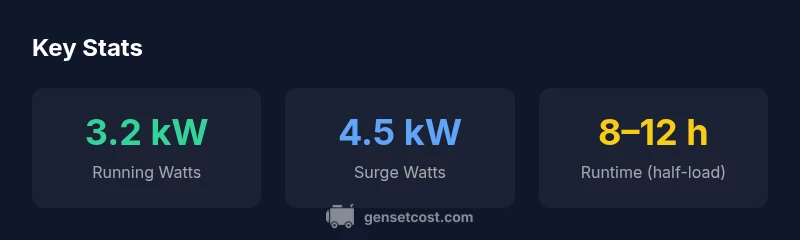
Gasoline-powered portable generators like the predator 3500 typically offer reasonable fuel efficiency at partial loads, with consumption tied to your load profile. Real-world runtime varies widely based on load, fuel quality, and maintenance. Practically, you’ll experience longer runtimes when you limit the initial surge to essential devices and throttle back nonessential loads. While some builders promote extended run times between fill-ups, the practical approach is to plan outages with a clear run plan: identify critical devices, stage loads, and have a plan for refueling that minimizes engine heat buildup and ensures the unit stays within safe operating temperatures.
Start Mechanisms and Maintenance Requirements
Many mid-range portable units offer an electric start as a convenience feature, supplemented by a recoil start for backup in case of battery issues. Regular maintenance—such as oil changes, air-filter checks, and spark plug inspections—extends engine life and preserves fuel efficiency. The predator 3500 is designed for straightforward service: refer to the manual for oil type, recommended service intervals, and storage guidance. Keeping the unit dry, clean, and shielded from direct exposure will mitigate corrosion and prolong usable life. If you plan frequent use, scheduling proactive maintenance with a local technician or a trusted service partner helps prevent unexpected failures during outages.
Noise, Vibration, and Comfort Under Load
Noise level and vibration are key considerations for any residential generator. In typical outdoor setups, the predator 3500 emits a moderate amount of sound, more noticeable in quiet neighborhoods or closely spaced dwellings. Vibration dampening mats and proper mounting can help reduce operational fatigue. For users sensitive to noise, placing the generator behind barriers or using a muffler-equipped variant can improve comfort. Understanding the relationship between load, engine speed, and noise helps planners choose placement strategies that balance accessibility with neighborly considerations during extended outages.
Safety, Emissions, and Handling Essentials
Safety remains paramount with any portable generator. Always operate outdoors on a level, well-ventilated surface to prevent carbon monoxide buildup. Use fresh, stabilized gasoline and store fuel in approved containers away from living areas. Emissions are a function of engine design and maintenance; adherence to the manufacturer’s emissions guidelines helps minimize pollutants. Grounding, circuit protection, and proper cord sizing reduce the risk of electrical faults. Finally, never refuel while the engine is hot, and allow the unit to cool before refueling to avoid flare-ups.
Installation and Transfer Switch Considerations
For homeowners, pairing a portable generator with a transfer switch can simplify outages and improve safety. A properly sized transfer switch isolates the house from the grid and connects selected circuits to the generator, reducing back-feed risks. When planning installation, assess the required interlock or transfer switch type, ensure your electrical panel has sufficient capacity, and consult a licensed electrician for compliant wiring. Portable units like the predator 3500 can power essential circuits, but you’ll want to avoid loading the system beyond its safe limits to protect appliances and the generator itself.
Cost, Warranty, and Long-Term Value
Cost is a significant factor, but total value matters most. The predator 3500 generator typically occupies a mid-range price tier, with a warranty period that varies by seller and model variant. When evaluating ownership costs, factor in expected fuel expenses, maintenance intervals, and the potential resale value after several years of service. A robust warranty and accessible service networks contribute to long-term peace of mind, especially for property managers who rely on backup power during outages. The Genset Cost team notes that, over a multi-year horizon, this class of generator can offer competitive total cost of ownership if you stay on a sensible maintenance schedule.
Accessories and Upgrades Worth Considering
Several value-adds can enhance the Predator 3500 experience. Wheel kits improve portability on even surfaces, battery tender accessories help with starting reliability, and high-quality extension cords with proper gauges reduce power losses. For automatic backup, pairing with a compatible transfer switch or interlock kit provides safer operation and a clearer outage plan. When selecting accessories, prioritize those that improve reliability, safety, and ease of use rather than cosmetic upgrades that do not change performance.
The Good
- Balanced price for mid-range power
- Cleaner inverter output suitable for electronics
- Relatively portable for a generator in its class
- Good availability and accessory ecosystem
- Decent fuel efficiency under typical loads
The Bad
- Not designed for continuous heavy-duty use
- Noise can be noticeable in quiet neighborhoods
- Weight can hinder frequent relocation
- Paralleling may require additional approved gear and limits
Solid mid-range choice for reliable backup power at a sensible price
The Predator 3500 offers a balanced blend of performance, portability, and value for homeowners and small properties. It handles essential loads well and provides clean power for electronics. It may not match premium brands on absolute quietness or continuous heavy use, but for most outage scenarios it delivers predictable, affordable performance.
People Also Ask
What can a predator 3500 generator power during an outage?
You can typically run essential loads such as refrigeration, lighting, small appliances, and devices like modems and laptops. The total running watts will limit your ability to operate multiple high-draw items at once. Plan your outage with a prioritized list of critical devices and stage loads to avoid tripping or stalling the engine.
During outages, start with essentials like lights and the fridge, then add devices one by one to avoid overloading the generator.
Is it suitable for use in an RV?
Yes, its portable design and clean power output suit many RV setups for powering basic appliances and electronics. Check your RV’s power requirements and ensure you are within the unit’s running-watt capacity to avoid overloading.
Great for RV weekends as long as you stay within its power range.
Can I parallel this generator with another unit?
Paralleling capability depends on matching accessories and compatible models. If you plan to increase capacity, verify with the seller whether an approved parallel kit is available and whether the combined load remains within safe limits.
Paralleling can work, but you’ll need the right kit and setup.
What maintenance steps are essential?
Follow a regular maintenance schedule: check oil levels, replace or clean air filters, inspect spark plugs, and store fuel properly. Always consult the owner’s manual for oil type and service intervals to protect engine health and performance.
Keep up with oil, air filter, and spark-plug checks as directed.
What fuels are recommended and what about ethanol?
Use fresh gasoline with proper stabilizers when storing fuel. Ethanol-blended fuels can be used but may require more frequent carburetor cleaning and fuel system maintenance. Always follow the manufacturer’s fuel recommendations.
Gasoline with stabilizer is best for storage and performance.
Is the Predator 3500 noisy?
Noise levels are typical for open-frame portable generators in this class. The experience improves with proper placement, barriers, and optional muffler upgrades. For sensitive spaces, consider sound-dampening strategies.
Not silent, but manageable with smart placement.
Key Takeaways
- Assess your essential-load list before buying
- Choose loads that fit mid-range running watts
- Consider transfer-switch compatibility for automatic outages
- Expect moderate noise; plan placement accordingly
- Budget for maintenance and fuel costs over time