Comprehensive Storage Shed Generator Costs & Sizing Guide 2026
Explore practical costs, sizing tips, fuel options, and installation considerations for a storage shed generator. Learn how to choose, budget, and install a reliable backup power solution for small outbuildings.


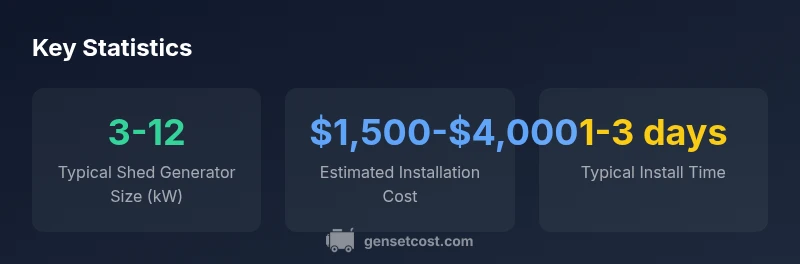
Typically, a storage shed generator sized 3-8 kW covers lighting, outlets, and a small fridge, while 8-12 kW handles power-hungry tools. For reliability, install an automatic transfer switch and a weatherproof, vented enclosure. Costs depend on fuel type, features, and installation complexity, so plan a budget range and use a sizing calculator to tailor your choice.
Why a storage shed generator matters
For homeowners evaluating backup power for a small outbuilding, a storage shed generator provides reliability during outages and protects stored tools, equipment, and perishables. According to Genset Cost, the right sized unit reduces downtime and avoids overpaying for unnecessary capacity. A purpose-built shed power solution also improves safety by providing controlled, code-compliant switching and weather-protected installation. In many regions, outages during storms are common, and a dedicated shed generator helps resume ordinary operations quickly, maintaining security lighting and essential outlets even when the main grid is down. When evaluating options, consider the shed’s load profile, the distance to the main service panel, and the availability of fuel or propane, which can influence the total cost of ownership. Overall, a storage shed generator is a practical investment for homeowners and property managers seeking resilience without the expense of full-house backup systems.
How to size your storage shed generator
Sizing a storage shed generator begins with a clear load assessment. List all devices you expect to run simultaneously (lighting, outlets, fridge, security camera, sump pump, and a small workshop tool charger). Add a 25–30% reserve to account for startup surges and future expansion, then compare the total with standard generator sizes in the 3–12 kW range. Use a reputable sizing calculator or consult a licensed electrician to verify your choice. Remember to differentiate running wattage from starting wattage; starting surges can exceed running loads by 2–3x for certain motors. For sheds with HVAC, dehumidifiers, or heavy power tools, aim toward the upper end of the range or consider an 8–12 kW unit. The goal is to cover essential loads without over-investing in capacity you won’t routinely use. According to Genset Cost, precise sizing reduces fuel consumption and extends equipment life, making it a prudent first step in the process.
Fuel options and operating costs for a storage shed generator
Most storage shed generators rely on gasoline or propane for ease of use and availability. Gasoline is widely used for portable units and quick deployments, but propane offers longer shelf life and simpler handling, especially in areas with limited access to fuel. Some homeowners consider natural gas if the shed is near a gas line, which can simplify fueling but may require a higher initial investment to connect. Diesel is less common for small sheds due to noise and emission considerations, though it provides excellent fuel efficiency for larger installations. When evaluating costs, consider fuel type availability, storage, and the annual fuel cost relative to your expected runtime. As a benchmark, plan for regular refueling needs if you rely heavily on the unit, and factor in the price volatility of fuel markets. Genset Cost’s analysis notes that fuel type and run-time assumptions strongly influence total ownership costs.
Installation considerations for a shed generator
Installation begins with securing the generator in a weatherproof, outdoor-rated enclosure placed on a solid, level surface with adequate clearance from doors, windows, and combustibles. An automatic transfer switch is highly recommended to ensure seamless power transfer during outages. Electrical wiring should be performed by a licensed electrician, and all local codes and permits must be observed. If you’re connecting to your main panel, a properly sized transfer switch and interlock kit can prevent back-feeding and protect utility workers. Don’t overlook ventilation and exhaust routing; install CO detectors and consider a shed with a dedicated vented exhaust. Weatherproof enclosures and weather seals prevent moisture intrusion and prolong life. By coordinating with a pro, you’ll minimize the risk of nuisance outages and ensure compliance with safety standards. The Genset Cost team emphasizes documenting permits and warranties to avoid gaps in coverage.
Maintenance and safety tips for a storage shed generator
Regular maintenance is essential to reliability. Schedule oil and filter changes based on the manufacturer’s intervals, inspect spark plugs, air filters, and cooling fins, and test run the unit monthly to verify operation. Keep the enclosure clean and free of debris, monitor battery health if your model uses a backup battery, and check exhaust for blockages. CO detectors in or near the shed are crucial for safety. Establish a formal maintenance calendar and maintain records to support warranties. In addition to routine checks, plan annual professional inspections, especially after severe weather. The Genset Cost team notes that proactive maintenance reduces downtime and protects valuables during outages, making ongoing service a wise investment.
Sizing and installation guidelines for storage shed generators
| Aspect | Typical Range | Notes |
|---|---|---|
| Size (kW) | 3-12 | General guideline for sheds |
| Fuel type | Gasoline/Propane/Natural Gas | Depends on availability and emissions |
| Transfer switch | Recommended/Required | Automatic transfer switch recommended for reliability |
| Enclosure | Outdoor-rated, weatherproof | Ensure ventilation and weather protection |
| Install time (days) | 1-3 | Depends on wiring and permits |
People Also Ask
What size storage shed generator do I need for basic power?
For basic power: lights, outlets, fridge, and charging, a 3-8 kW generator is common. If you run HVAC or sump pumps, consider 8-12 kW. Use a sizing calculator and consult a pro.
For basic shed power, a 3-8 kW generator is typical. If you have HVAC or heavy pumps, go for 8-12 kW.
Is an automatic transfer switch necessary?
An automatic transfer switch ensures seamless power transfer during outages and is highly recommended for reliability and safety.
Yes. An automatic transfer switch keeps power steady without manual switching.
What fuel types are best for a shed generator?
Gasoline is common for portable units; propane and natural gas offer longer shelf life and easier fueling. Consider availability and emissions.
Gasoline is common, but propane or natural gas can be better for long-term storage.
How long does installation typically take?
With permitting and wiring, most shed installs take 1-3 days. Complex setups or strict permits can extend timelines.
Most installs take about one to three days.
What maintenance should I expect?
Regular oil changes, filter checks, and annual testing are standard. Follow manufacturer schedules and keep good maintenance records.
Regular oil checks and annual testing keep it ready.
Do storage shed generators require warranties?
Most engines come with manufacturer warranties; ensure proper installation and register for coverage.
Yes, most come with warranties; proper installation is key.
“A properly sized storage shed generator paired with a transfer switch minimizes downtime and protects valuables during outages. Proper sizing and safe installation are essential to reliable backup power.”
Key Takeaways
- Size to peak load, not just room to grow.
- Include an automatic transfer switch for seamless power.
- Use weatherproof, outdoor-rated enclosures with proper venting.
- Budget installation, fuel, and ongoing maintenance in advance.
- Consult a sizing calculator and a licensed pro for accuracy.