Can You Rent Generators? A Practical Guide for Homeowners
Discover how generator rentals work for home backups, events, or job sites. Learn types, sizing, pricing, delivery, safety, and how to compare providers to get the best value.


Yes, you can rent generators for short- or long-term power needs. Can you rent generators? Absolutely—rental options cover portable units for construction sites and events, as well as larger standby gensets for home backup. Most rentals include delivery, setup, fuel options, and 24/7 support. The key is to match the generator size to your load, confirm runtime expectations, and understand the terms of rental and service.
Can you rent generators? A practical overview
If you’re evaluating backup power options for a home or property, renting a generator is a flexible choice. You may have asked, can you rent generators, and the answer is yes—delivery, setup, and service are often included in the package. This option lets you cover outages, temporary events, or construction work without committing to ownership. According to Genset Cost, rental gensets are widely stocked and can scale to different loads, from small essentials to larger power draws. With a rental, you gain the flexibility to scale up or down as needs change, and you avoid the upfront purchase price, maintenance responsibilities, and long-term depreciation. Before you sign, you’ll want to estimate your peak load, understand the rental terms (delivery windows, fuel options, and return conditions), and confirm whether the rental includes support like periodic maintenance, remote monitoring, or 24/7 assistance. This guide will help you compare options, anticipate common costs, and choose a rental package that keeps your lights on when you need them most.
Types of generators available for rent
Rentals typically include several broad categories: portable generators, inverter generators, standby generators, and trailer-mounted options for mobile power. Portable units are lightweight, affordable, and convenient for short outages or campsite use, but they may be louder and less efficient than inverter models. Inverter generators provide cleaner power with better fuel economy and quieter operation, making them popular for outdoor events and sensitive electronics. Standby generators mimic a home’s built-in system with automatic transfer switches and connection to your electrical panel, suitable for longer outages but usually more expensive to rent. For job sites or events, trailer-mounted or towable rentals offer scalable power with larger wattage capabilities. Finally, some providers offer modular or multi-unit setups that can be combined to meet higher loads. When you shop, ask about fuel type options (gas, propane, or diesel), runtime guarantees, and whether the rental includes transfer-switch compatibility, professional installation, and on-site support. The goal is to map your needs to a generator type that balances reliability, noise, and cost.
How to size a rental generator for your load
Sizing is the core task when you can rent generators. Start by listing every device that will run during an outage or event: essential appliances, heating or cooling, lighting circuits, pumps, and any electronics with sensitive loads. For each item, note its running wattage and any startup surge watts. If exact numbers aren’t available, use manufacturer charts or typical ranges and add a conservative safety margin. Sum the continuous running watts, then add startup surges for the largest motor or compressor. Compare this total to the continuous-rated output of the rental unit you’re considering, and ensure the unit’s rating exceeds your peak by a comfortable margin. If you plan to expand later, choose a modular or larger unit now. Don’t forget to consider runtime: a larger unit may run longer on the same fuel, or you may prefer more frequent, shorter outages. Finally, coordinate with the rental provider to verify that the chosen unit can integrate with your transfer switch and panel configuration.
Rental scenarios and case studies
Home outages, outdoor events, and construction projects present distinct power needs. For a home outage, renters typically prioritize reliability, transfer-switch compatibility, and long-run capacity for essential circuits. For events, quiet operation, portability, and quick setup dominate the decision. On construction sites, robust continuous power and easy maintenance are key. In each scenario, a clear load estimate guides the right rental choice, ensuring you neither overpay for unused capacity nor risk outages due to under-sizing. Providers often tailor packages with delivery windows, fuel options, and on-call support to fit these varied situations. Genset Cost notes that a thoughtful pickup of the right rental package can significantly reduce downtime and stress during critical moments.
Costs, pricing, and budgeting for rentals
Budgeting for a generator rental means looking beyond the sticker price. Most providers structure pricing around unit size, rental duration, delivery, and any required support services. Fuel options, maintenance, and optional add-ons like automatic transfer switches can add to the total. While exact figures vary, the overall cost picture typically reflects the balance between size, run-time, and service level. Planning ahead, requesting multi-day or multi-week quotes, and clearly outlining your expected load helps you compare apples to apples and avoid surprise charges. Remember that cheaper isn’t always better if it compromises reliability or service quality.
Delivery, setup, and ongoing maintenance
Delivery logistics are a crucial part of the rental experience. Confirm delivery windows, access routes, and the space needed for safe placement and exhaust clearance. Many providers include setup, basic testing, and on-site support for a limited period after delivery. Ongoing maintenance options may be bundled or available as add-ons, ensuring the unit stays in good working order during the rental period. If fuel is included, clarify who refuels and how refueling is scheduled. For longer rentals, you may also want a plan for routine checks and battery health or alternator performance tests. Clear communication with the provider reduces surprises on the day you need power most.
Safety, permits, and compliance when renting
Operating a rental generator requires attention to safety and local regulations. Always use the unit in ventilated outdoor areas away from windows and doors to prevent carbon monoxide buildup. Keep generators away from buildings, dry conditions, and flammable materials, and follow manufacturer guidelines for fueling and oil changes. If your property requires permits or utility coordination for standby systems or transfer switches, discuss these early in the process with the rental company and your local authorities. Documentation of inspections and compliance reduces the risk of penalties or delays and helps ensure a smooth rental experience.
How to compare rental providers and read contracts effectively
Start by listing must-have features: transfer switch compatibility, delivery reliability, on-site support, fuel options, and maintenance. Request written quotes that specify all fees, including delivery, support, and potential overtime charges. Read the contract's terms on return windows, damage clauses, and early termination. Check guarantees like uptime commitments or service response times. Don’t hesitate to ask for references or case studies from similar properties. A transparent, well-documented agreement reduces risk and helps you plan with confidence.
Getting the most value from your generator rental: a practical checklist
Before you sign, verify load estimates, confirm unit compatibility with your electrical system, and ensure the provider offers clear, written terms. Plan delivery during daylight, designate an accessible parking area, and verify all safety equipment is available. Maintain a simple maintenance schedule, keep the fueling plan documented, and test run the unit before any critical event. Finally, keep a record of all service visits and changes to your agreement for future renewals or upgrades.
Tools & Materials
- Load estimation worksheet(A spreadsheet or app to total running watts and surge watts)
- Site layout or floor plan(Shows generator positioning and exhaust clearance)
- Fuel preferences and delivery access(Document preferred fuel type and fueling constraints)
- Rental contract terms(Delivery window, service levels, return policy)
- PPE and safety gear(Gloves, safety glasses for site handling)
Steps
Estimated time: 2-4 hours (excluding delivery/setup)
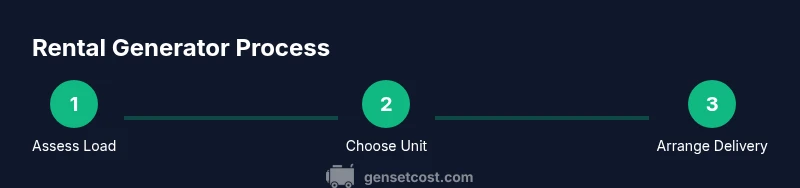
- 1
Assess your load and duration
List all devices and circuits you want powered. Note running watts and startup surges where possible. Consider future needs to avoid under-sizing.
Tip: Use manufacturer charts if exact watts aren’t available; err on the side of a conservative estimate. - 2
Choose generator type and rental package
Select between portable, inverter, standby, or trailer-mounted units based on noise, space, and run-time requirements. Decide if you need delivery, setup, or ongoing service.
Tip: Ask about transfer-switch compatibility and whether professional installation is included. - 3
Get quotes and compare terms
Request written quotes with all fees enumerated. Compare delivery windows, fuel options, maintenance, and return conditions.
Tip: Look for uptime guarantees or service response times in the contract. - 4
Prepare the site and arrange delivery
Ensure a clear path, proper parking, and safe exhaust clearance. Confirm access times and any site access requirements with the provider.
Tip: Schedule delivery during daylight and have a backup plan for weather delays. - 5
Install, test, and verify safety
Have the unit placed correctly and perform a test run with the transfer switch or panel connected. Verify alarms, gauges, and fuel levels.
Tip: Never operate in enclosed spaces; maintain several feet of clearance around the unit. - 6
Monitor use and finalize the rental
Track fuel consumption, run-time, and any maintenance notes. Confirm pickup or return times and finalize the contract.
Tip: Keep a simple log for future rentals or upgrades.
People Also Ask
What is the typical minimum rental period for generators?
Most providers offer daily, weekly, or monthly terms. Shorter terms are common for events, while longer periods suit outages or construction projects. Always confirm the minimum duration when obtaining a quote.
Most rental terms are daily, weekly, or monthly. Confirm the minimum duration when you get a quote.
Do rental generators require installation?
Many rentals include installation or professional setup as part of the package. If not, ensure you have a clear plan to connect the generator safely to your transfer switch and panel.
Many rentals include installation, but if not, plan safe installation with proper connections.
Are rental units fuel-efficient and safe for electronics?
Fuel options vary by model and can affect efficiency. Modern rentals often provide inverter options that deliver cleaner power suitable for electronics.
Fuel type and inverter models can improve efficiency and protect electronics.
Can I integrate a rental generator with an automatic transfer switch?
Yes, many rental packages are designed to work with automatic transfer switches. Confirm compatibility and any required adapters before booking.
Most rentals work with automatic transfer switches; verify compatibility before renting.
What maintenance is included in a rental?
Maintenance options vary, but many rentals include routine checks and on-call support during the rental period. Review the contract for specifics.
Maintenance is often included; check the contract for details.
What happens if I exceed the generator’s load?
Exceeding load can cause insufficient power or automatic shutdown. A load estimate helps prevent this by ensuring the unit can handle peak demand.
If you overload, the unit may shut down; always size up for peak demand.
Watch Video
Key Takeaways
- Renting offers flexible power with lower upfront costs
- Size to load and load type, with a safety margin
- Delivery, setup, and maintenance options are common
- Compare terms to avoid hidden fees
- Prioritize safety and permits before operation