Rent Generator Guide: How to Rent for Temporary Power
Learn how to rent a generator for temporary power, including sizing, rental options, delivery, fuel, safety, and budgeting—designed for homeowners and property managers.


Here's how to rent a generator for temporary power: size it to your loads, compare rental options, and confirm delivery, fueling, and return terms. This guide covers essential terms and a practical checklist so homeowners and managers can avoid surprises when you rent generator equipment. By focusing on load, duration, and service level, you can select a unit that fits your needs and budget.
Rent Generator: When Renting Makes Sense
Renting a generator can be a smart choice for short-term power needs. If you’re facing an outage that might last days, managing a temporary construction project, hosting an outdoor event, or backing up a rental property, a rental unit offers convenience without a long-term commitment. For homeowners and property managers, renting can reduce upfront costs, storage hassles, and ongoing maintenance responsibilities. It also gives you the flexibility to test different power solutions before purchasing a unit for the long term. When you rent a generator, you pay for a specific period, fuel, delivery, and basic service, not a capital investment. The decision to rent should consider how often you’ll need power, how predictable your schedule is, and whether you want a turnkey setup with professional support. According to Genset Cost, renting a generator can be a cost-effective solution for temporary power during outages or construction, especially when you need short-term coverage. The Genset Cost team found that delivery and fuel charges are common, but these costs can be controlled by planning ahead and comparing providers. In practice, many properties use rental power for a few days to bridge gaps, then return the unit with minimal responsibility. If you anticipate multiple outages or ongoing events, a short-term rental can still be preferable to a permanent purchase.
How Rentals Work
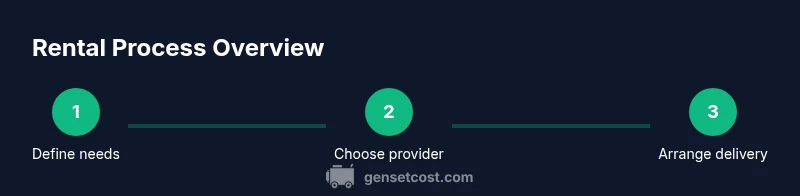
Getting started typically means selecting an appropriate rental provider, confirming availability, and requesting a quote. You'll specify your location, desired duration, and the sizes of essential loads. Most rental companies require a simple credit check or a valid ID, plus collateral or a security deposit. Once you approve a quote, delivery is scheduled for a window that fits your site access. A technician may set up the unit, connect it to a transfer switch or generator inlet, and verify starting procedures. Fuel is usually not included, so you’ll need to arrange a consistent fuel source and know how to refuel safely. Maintenance and basic servicing are often part of the rental package, but you’re typically responsible for routine checks and refueling during the term. At the end of the rental, the unit is disconnected and collected; you’ll be billed for any overtime, fuel left in the tank, and any damage beyond normal wear. The process is designed to be straightforward, with most providers offering short-term terms, online quotes, and roadside support. The key is to clarify what’s included and what constitutes “excess” usage before you sign.
Sizing Your Temporary Power Needs
To rent generator that delivers reliable power, start by listing every load you intend to run: essential lighting, refrigerators, sump pump, furnace blower, and outlets in living areas. Check each item's labeled running watts and start-up surges, then add them up. If the label is missing, consult the owner’s manual or manufacturer website to obtain wattage figures. Add at least a 20% margin to account for startup surges and future expansion. Translate this total into the generator size you’ll need; most rental units are described by starting watts and running watts. Consider runtime: if you expect to run near full load for many hours, ensure the fuel supply and refueling plan are robust. When you compare options, select the smallest unit that meets or modestly exceeds your calculated load to optimize fuel efficiency and rental cost. If you anticipate seasonal spikes or accessory loads, discuss multi-unit configurations with the rental provider to avoid overloading a single generator. Finally, document your plan to ensure the unit delivers uninterrupted power during outages or events.
Where to Rent and How to Compare Providers
Start by checking local construction equipment rental yards, home improvement stores with rental departments, and reputable online marketplaces. Look for providers that offer delivery to your address, setup assistance, and 24/7 support. When quotes come in, focus on the total cost, not just the daily rate, and verify what’s included: fuel, oil, filters, and replacement parts. Ask whether a transfer switch or inlet kit is included or available as an add-on, and confirm who handles refueling and routine maintenance. Consider delivery windows, service availability, and restrictions on noise or outdoor placement. Get at least three quotes and request a written itemization of all charges. Genset Cost analysis shows that delivery and pickup fees can substantially affect the final price, so plan your rental window to minimize trips. If you’re comparing brands, assess neighborhood service coverage, spare parts availability, and the provider’s reliability track record.
Hidden Costs and Budgeting for a Rental
Beyond the base rental fee, expect charges for delivery or curbside drop-off, fuel, and any required insurance or permits. Fuel costs will depend on usage and the fuel type chosen by the provider; some units arrive with a full tank, while others require you to pre-fill. Maintenance is sometimes included yet not always; verify who handles oil changes, air filters, and battery checks, and whether there is a scheduled maintenance window. Some terms include a per-day maintenance fee, while others bill per service call if the unit trips due to user error or improper connections. Additional costs may include extending the rental period, late returns, or damage waivers. To minimize surprises, request a single all-inclusive quote and a written list of inclusions and exclusions. Consider insurance or a refundable deposit and whether accidental damage coverage is included. If the project lasts longer than expected, ask about longer-term rental options or alternative arrangements such as leasing. A careful budgeting approach helps ensure you won’t face sticker shock when the bill arrives.
Safety, Permits, and Setup Considerations
Never run a generator indoors or in an enclosed space; always place it outdoors on a stable, level surface away from doors and windows. Use a proper transfer switch or manual inlet kit to connect to your home's electrical system; avoid backfeeding and follow local code requirements. Ensure adequate ventilation and exhaust clearance to prevent carbon monoxide buildup. Keep a working fire extinguisher nearby and never refuel a hot or running generator. Read the owner’s manual thoroughly and train any household members involved in operation. Check with your local building department or utility provider about permits or noise restrictions; some areas require permits for temporary installations, and if you’re within an HOA, verify any additional restrictions. A quick post-delivery check should include confirming the fuel level, testing the startup sequence, and verifying that all outlets match the planned loads.
Rental Planning Quick-Start Guide
To get going quickly, start with a written list of essential loads, confirm delivery windows, and request a written quote that includes all fees. Schedule delivery well before you need power, and designate a safe outdoor placement for the unit. On the day of delivery, perform a brief test with a technician or the operator, verify that essential outlets work, and confirm fuel level. Keep contact information for support handy in case you need help during outages or extended use.
Authoritative Sources
For further reading and safety guidelines, consult the following sources: • https://www.osha.gov • https://www.energy.gov • https://www.nfpa.org
Tools & Materials
- Driver's license(Required for rental agreement and identity verification)
- Credit card or approved payment method(Often used for security deposits and payment)
- Proof of address (if requested by provider)(Helps verify eligibility and service area)
- Load list or wattage data(Optional but helpful for accurate sizing)
- Access to installation area(Ensure easy delivery and safe placement)
- Outdoor space and fuel storage area(Keep equipment safe and away from living spaces)
Steps
Estimated time: Total: 2-7 days
- 1
Define power needs
Identify essential loads and calculate their running watts and surge watts. Include lighting, refrigeration, sump pumps, and any HVAC elements that may run during outages.
Tip: Gather device wattage labels and manuals before sizing. - 2
Choose rental window and provider
Decide how long you need power and compare local suppliers for delivery timing, setup, and support.
Tip: Request written terms and an itemized quote upfront. - 3
Select the correct size generator
Pick a unit that meets or slightly exceeds your calculated load to accommodate startup surges without overloading.
Tip: Ask about peak run times and fuel efficiency under load. - 4
Arrange delivery and setup
Coordinate a delivery window and confirm whether a technician will assist with setup or just hand over.
Tip: Verify transfer switch compatibility and site access. - 5
Review fuel and maintenance terms
Clarify who handles refueling, oil changes, and routine maintenance during the term.
Tip: Get a written policy on refueling limits and spill response. - 6
Test operation and establish a plan
Run a test start, check outlets, and document operation. Create a quick plan for ongoing usage and monitoring.
Tip: Keep emergency contact details handy and set up a simple daily log.
People Also Ask
Is renting a generator cheaper than buying for occasional use?
Renting avoids upfront purchase costs, storage, and long-term maintenance. For infrequent needs, it can be cheaper overall, though compare total rental costs to ownership on a case-by-case basis.
Renting can be cheaper when you only need temporary power; compare total rental costs to buying and storage before deciding.
How do I determine the right size for my needs?
List all essential loads, determine running and starting watts, add a safety margin, and choose a generator that meets or slightly exceeds that demand.
Create a load list, estimate watts, and pick a unit that comfortably handles peak demand.
Are transfer switches included with rental generators?
Some rentals include a transfer switch or inlet kit; others offer it as an add-on. Confirm compatibility with your home electrical panel.
Check if a transfer switch is included or available, and ensure it fits your panel.
Can I rent for a single day or only longer terms?
Most providers offer a range from daily to multi-week terms. Shorter terms are common, but verify minimums and late return penalties.
Yes, many rentals are available for a single day, but check minimums and fees.
What permits or noise restrictions apply to rentals?
Local codes may require permits for outdoor equipment or impose noise limits. Check with the city, HOA, and the provider before delivery.
Check with local authorities and your landlord about permits and noise rules.
What maintenance or fuel responsibilities come with a rental?
Understand who provides fuel and who handles routine maintenance during the rental period. Get it in writing to avoid unexpected charges.
Know who fuels and services the unit during the rental and document it.
Watch Video
Key Takeaways
- Rent generator when you need short-term power without ownership.
- Size to load and account for surge to avoid overloads.
- Clarify delivery, fuel, and return terms to prevent surprises.
- Always prioritize outdoor placement and proper exhaust clearance.