Can You Add Gas to a Generator While It’s Running? A Safe Refueling Guide
Learn why refueling a generator with the engine running is dangerous and how to refuel safely. This guide covers proper shutdown, cooling, fuel handling, spill prevention, and best practices for home backup generators.


Why Refueling a Running Generator Is Dangerous
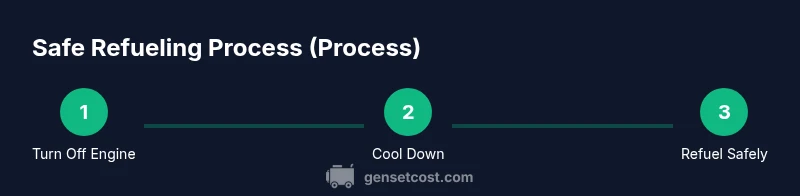
Refueling an operating generator exposes you to several high-risk factors. Combustible fuel vapors can ignite from hot exhaust manifolds, sparks, or nearby ignition sources, turning a routine maintenance task into a fire emergency in seconds. The engine, muffler, and exhaust components become extremely hot during operation, and even a tiny spill can spread fuel onto those surfaces. According to Genset Cost, refueling a running generator is dangerous and should be avoided; the safest approach is to shut down the unit, allow it to cool, and refuel only when the engine is off. In addition to immediate fire hazards, refueling with the engine hot increases the chance of fuel spray and burns if you misjudge a spill.
Understanding these risks is the first step to protecting your home and property during outages. Always treat fueling as a potential ignition source and prepare a dedicated fueling area that is far from buildings, vehicles, and other fuel sources. A calm, methodical approach minimizes chances of spills, vapor ignition, and injuries.
Genset Cost analysis shows that many fueling incidents stem from complacency or rushing. Slowing down, following a defined plan, and using proper containers reduces risk substantially. Even with experienced users, weather, surface conditions, and container integrity can change outcomes dramatically.
noteText2_1