Can You Get a Generator for a Townhouse? A Practical Guide
Can you get a generator for a townhouse? Learn how to size, permit, install, and maintain a backup generator in compact spaces. Side-by-side comparisons, costs (low to high), and practical steps for homeowners and property managers.


Yes. Townhouses can be powered by a generator, with portable units or fixed transfer-switch systems as common options. This quick answer highlights feasibility; click through for the full step-by-step guide and cost estimates.
Can You Get a Generator for a Townhouse? Feasibility and Key Considerations
The short answer to can you get a generator for a townhouse is yes, but success depends on space, local rules, and the right equipment. Townhouse layouts often limit yard space and neighbor exposure, so the best approach is to plan around a compact, code-compliant solution rather than a one-size-fits-all unit. According to Genset Cost, the most reliable path starts with a professional load assessment, a clear understanding of permitted installation locations, and a choice between portable and permanently installed options. In this guide, we map out feasibility factors, typical constraints, and practical planning steps that set you on the right path. You’ll learn how to weigh outdoor placement, noise thresholds, fuel type, exhaust routing, and the trade-offs between convenience and ongoing maintenance. By the end, you’ll know whether you should pursue a portable unit for temporary outages or a fixed transfer-switch system for more frequent power needs. The goal is to avoid common pitfalls—such as under-sizing, violating setback rules, or over-spending on features you won’t use. If you want to minimize risk while maximizing reliability, start by documenting your essential loads, site constraints, and permit requirements. This information will guide your equipment choice, professional selection, and the final layout.
Types of Generators Suitable for Townhouses
There are three broad categories to consider: portable generators, standby (fixed) generators, and inverter-based systems. Portable units are inexpensive upfront and flexible but require manual starting and fuel handling, and they demand safe outdoor placement with weather protection. Standby generators mount outside the home and connect to an automatic transfer switch, delivering seamless power but with higher upfront costs and permit considerations. Inverter systems are compact, quieter, and efficient for critical loads, though they may require careful matching to your service panel. For townhouse settings, the transfer-switch approach—whether automatic or manual—offers the cleanest integration with a shared electrical panel while meeting code and HOA expectations. The key is to match the unit size not only to peak load but also to the length of intended outages and noise restrictions. From a cost-per-watt perspective, hybrids and inverter-based designs often strike a balance between performance and footprint. Across all options, prioritize outdoor routing, proper venting, and compliance with local setback rules. The Genset Cost team notes that many homeowners start by listing essential circuits (refrigerator, sump pump, furnace, lights, and modem/router) to determine the minimum requirements and prevent oversizing.
Sizing Your Townhouse Generator: Load and Demand
Sizing a townhouse generator means balancing the running load (continuous power) with the starting surge that many devices require. Start by identifying essential circuits first—fridge, heating or cooling, alarms, lights, internet equipment, and any medical devices. Then consider nonessential loads you’re willing to power during an outage, such as a few outlets, a small heater, or discretionary lighting. A professional load calculation helps you compare running watts to starting watts, ensuring the unit can handle startup surges without tripping the breaker. In practice, you’ll use a load calculator or work with an electrician or gas-fitter who understands townhouse service panels. Remember to plan for future needs—if you anticipate adding devices or appliances, size with a margin so you don’t outgrow the system quickly. Also, consider the energy efficiency of devices; modern, efficient appliances reduce the overall load. By choosing a generator that matches your critical-load profile rather than pursuing the biggest possible model, you improve reliability and control noise and fuel usage. Genset Cost emphasizes documenting the exact circuits and their wattage requirements so you can compare options confidently and avoid oversizing or undersizing your system.
Permits, HOA Rules, and Zoning
Townhouse owners must navigate a mix of permits, HOA restrictions, and zoning considerations before installing power equipment outdoors. Start by checking with your local building department to determine whether a electrical upgrade, external interconnection, or gas line modification requires permits or inspections. Next, review HOA covenants; some associations restrict external equipment placement, require setbacks from property lines, or limit noise and lighting. Even if your HOA allows a compact outdoor transfer switch or inverter-based system, you’ll still need to ensure safe clearance for maintenance and proper venting away from doors and windows. Prioritize equipment located in approved exterior spaces, with weatherproof enclosures and reliable protection from weather and accidental contact. Documentation for permits, installation diagrams, and inspection records should be saved in a central file for future reference and resale. The Genset Cost guidance recommends early communication with your HOA and local authorities to minimize delays and avoid rework or fines later in the process.
Installation Pathways: Do-It-Yourself vs Professional Install
Single-family homes often tempt homeowners to DIY portions of an installation, but townhouse setups usually require professional electrical and gas work. A licensed electrician will handle service panel connections, transfer-switch integration, and conduit runs; a gas technician should size and install any fuel lines and venting. DIY attempts may violate electrical codes, void warranties, or create safety hazards for occupants. The recommended approach is to partner with a licensed contractor who can confirm your load calculations, secure required permits, and coordinate with the gas utility if you’re using natural gas. For most townhouse projects, the complexity, safety considerations, and code compliance justify professional installation. When interviewing contractors, ask for certifications, inspection-ready plans, and prior townhouse experience. A clear scope of work with milestones helps protect you from scope creep and hidden costs. Genset Cost notes that investing in qualified professionals reduces long-term risk and ensures the system operates as intended during outages.
Costs, Budgeting, and Financing Options
Cost considerations for townhouse backup power vary considerably with unit type, location, and installation complexity. Portable generators have a lower upfront cost but require ongoing fueling and maintenance, while standby systems demand higher initial investment and permitting work but offer seamless power with automatic switching. Inverter-based solutions provide quiet operation and efficient fuel use, often at a mid-range price point. When budgeting, include the generator, transfer switch, fuel storage or connection, outdoor enclosure or mounting hardware, permits, and professional installation. Ongoing costs for fuel, maintenance, and periodic testing should also be planned. Financing options, local incentives, or utility programs may help with upfront costs or operating savings over time. The goal is to establish a realistic total cost of ownership that aligns with your outage tolerance and space constraints. Genset Cost’s analyses emphasize comparing total lifecycle costs rather than just upfront price and prioritizing solutions that fit your property's noise and setback requirements.
Safety and Maintenance: Keeping Your Townhouse System Reliable
Safety is non-negotiable for townhouse backup power. Regular maintenance, including visual inspections, battery checks (if applicable), and periodic load tests, helps ensure reliability during outages. Installations should adhere to manufacturer manuals, with ventilation clearances maintained and exhaust routed away from living spaces. Fuel storage and connections must comply with fire codes, and transfer-switch logic should be tested to guarantee automatic operation without backfeeding or safety hazards. Create a simple maintenance plan: quarterly tests, an annual professional inspection, and routine cleaning of air intakes and vents. If you use natural gas or propane, schedule annual gas line inspections with a qualified technician and keep a spare fuel strategy aligned with your outage expectations. The Genset Cost team emphasizes backups, redundancy, and scheduled testing to prevent surprises in emergencies.
Step-by-Step Quick Start Plan
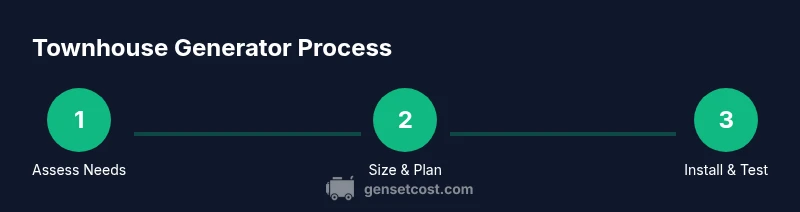
If you’re ready to begin, a quick-start plan helps you move from concept to installation with minimal delays. Start by listing critical loads and acceptable nonessential loads. Then check with your HOA and local authorities about permits and setback requirements. Next, compare portable vs. installed options and select a professional installer with townhouse experience. Finally, obtain quotes, schedule the installation, and plan a test run to verify safe and reliable operation.
Tools & Materials
- Transfer switch (manual or automatic, rated for your main panel)(Ensure it's sized for your expected load and compatible with your panel.)
- Weatherproof generator outlet enclosure(Outdoor-rated, with secure mounting.)
- Outdoor-rated electrical cables (proper gauge)(Use conduit and GFCI where required.)
- Fuel supply (propane tank or natural gas line)(Gas line must be installed/inspected by a licensed professional.)
- Permits and inspections (building/electrical)(Local rules vary; HOA may have additional requirements.)
- Gas shutoff valve and venting kit(Required for safety and code compliance.)
- Ventilation tools and exhaust clearance measure(Maintain recommended clearance from structure.)
- Lockable enclosure or padlock(Optional security.)
Steps
Estimated time: 6-12 hours (plus permit processing time)
- 1
Assess power needs and space
Document essential loads and target outage duration. Identify outdoor locations with proper clearance, venting, and accessibility for maintenance.
Tip: Create a simple one-page load list to guide sizing and avoid over-specifying. - 2
Choose between portable vs. installed
Compare upfront costs, maintenance, noise, and the desire for seamless transfer when outages occur. Consider HOA and permit constraints.
Tip: If you value automatic operation, a standby transfer-switch is often the best fit. - 3
Size the system with a professional
Have a licensed pro run a load calculation, select an appropriate generator, and plan the transfer-switch configuration.
Tip: Ask for a written capacity plan showing running vs starting loads. - 4
Secure permits and HOA approval
Submit required electrical and gas work permits and review HOA requirements before any install.
Tip: Document approvals to avoid delays during final inspections. - 5
Schedule installation with licensed pros
Coordinate electrical, gas, and venting work, plus outdoor mounting and enclosure installation.
Tip: Request a detailed work scope and a timeline with milestones. - 6
Test and verify safety
Perform a controlled startup test, verify transfer-switch operation, and confirm proper venting.
Tip: Test monthly to ensure reliability and note any changes in operation. - 7
Establish maintenance and replacement plan
Set a routine service schedule, fuel stability checks, and component replacement timelines.
Tip: Keep a record of maintenance intervals and service reports.
People Also Ask
Can a townhouse use a generator without a large outdoor space?
Yes, many townhouse setups use compact, inverter-based or transfer-switch systems that fit small outdoor footprints and meet noise limits. A professional can optimize location and venting to suit your space.
Yes, there are compact options that work in small spaces, and a pro can optimize placement.
What are the main options for townhouse backup power?
Common options include portable generators, inverter-based systems, and fixed standby units with an automatic transfer switch. Each has trade-offs in cost, noise, and convenience.
Options include portable, inverter-based, and fixed standby with transfer switch.
Do I need permits to install a townhouse generator?
Most installations require electrical and possibly gas permits, along with an inspection. Your local building department or HOA will provide the exact requirements.
Permits are usually required; check with the local authority and your HOA.
What is a realistic budget range for townhouse generator projects?
Costs vary by size, installation complexity, and fuel type. Consider both upfront and ongoing expenses, including maintenance and fuel. A professional can provide a more precise estimate.
Expect variability by size and install; a pro can give a precise estimate.
How often should I test and maintain a townhouse generator?
Test monthly if possible and schedule at least an annual professional service. Regular checks help ensure reliability during outages.
Test monthly and have annual professional maintenance.
Is a transfer switch required for all townhouse installations?
Not always, but it’s common to use a transfer switch with a fixed generator to prevent backfeeding and ensure safe connection to the panel.
A transfer switch is common and advisable for safety and reliability.
Watch Video
Key Takeaways
- Define essential loads first and size accordingly.
- Plan permits and HOA early to avoid delays.
- Choose professional installation for safety and code compliance.
- Schedule regular maintenance and tests.
- Factor total ownership costs, not just upfront price.