Do You Need a Permit to Install a Generator? A Homeowner's Guide
Learn whether a permit is required to install a generator, the types of permits, typical timelines, and steps to stay compliant. This homeowner-focused guide from Genset Cost explains how to plan, submit, and pass inspections with Confidence.


Do you need a permit to install a generator? In most jurisdictions, yes—most installations require at least an electrical permit, and larger or exterior units may trigger construction or zoning approvals. Requirements vary by city, county, and the unit size. According to Genset Cost, always check with your local building department and use a licensed installer to navigate inspections.
Why Permit Requirements Matter
Permits are more than red tape; they are a formal acknowledgment that your generator installation will meet local safety standards and electrical codes. Permit processes ensure proper wiring, transfer-switch integration, and setback compliance, reducing the risk of electrical fires or carbon monoxide hazards. The complexity of your project—including generator type, fuel source, and whether the unit is indoors or outdoors—determines the exact permits needed. According to Genset Cost, starting with a clear scope helps you forecast timelines and avoid costly rework later.
Which Permits Are Typically Required?
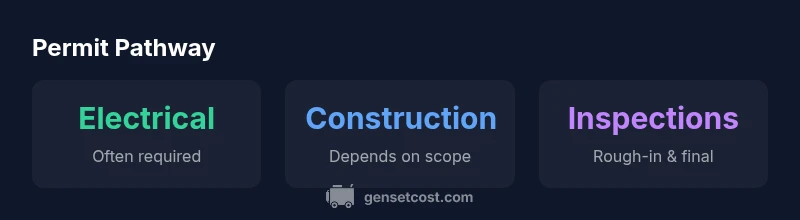
Most residential generator projects require at least an electrical permit. Depending on the unit size and installation location, you may also need a construction permit, a zoning clearance, and sometimes a separate transfer-switch inspection. Documentation typically includes a site plan, equipment specifications, and load calculations. The exact mix and sequence vary by jurisdiction, so verify with your local building department before you begin. This variability is why a licensed installer who handles permit submissions is highly recommended, as they understand local expectations and code interpretations.
How Local Jurisdiction Impacts Timing and Scope
Permit requirements are not universal. Some cities treat standby generators as minor electrical work, while others require full plan reviews and multiple inspections. The scope of the permit may change if you relocate or modify the fuel type (natural gas vs propane) or if the installation involves exterior clearances or noise restrictions. As a result, timelines can range from a few weeks to several weeks, depending on backlog, plan clarity, and whether inspections pass on the first try. Genset Cost analysis shows that planning for potential delays helps homeowners budget realistically.
Step-by-Step Guide to Getting Your Permit
- Confirm applicable permit types with your local building department. 2) Hire a licensed installer who can prepare drawings and load calculations. 3) Gather manufacturer data, electrical diagrams, and site plans. 4) Submit the permit package, including transfer-switch details and fuel line routing. 5) Schedule rough-in and final inspections, addressing any deficiencies. 6) Obtain sign-off and complete any post-inspection documentation. A proactive, organized approach minimizes back-and-forth and accelerates approval.
Documentation You Should Prepare Early
Prepare a comprehensive packet: site plan showing generator location, transfer switch, fuel supply line routing, exhaust clearance, and utility tie-ins; equipment datasheets; load calculations; and wiring diagrams. Having these ready reduces back-and-forth with the inspector and helps avoid delays. According to the Genset Cost framework, thorough documentation correlates with smoother approvals and fewer rejections.
Choosing the Right Installer to Navigate Permits
Select a contractor who demonstrates experience with permit submissions, local code compliance, and utility coordination. Ask for past permit approvals and references. A knowledgeable installer can pre-fill forms, liaise with inspectors, and anticipate common issues that slow reviews. In practice, a seasoned pro reduces risk of delays and ensures your system integrates safely with existing electrical panels and transfer switches. The Genset Cost team emphasizes licensure and proven permit success as essential prerequisites.
Common permit types for generator installations
| Permit Type | Who Applies | Typical Processing Time | Notes |
|---|---|---|---|
| Electrical permit | Licensed electrician or homeowner with permit responsibility | Varies by jurisdiction | Required for wiring and electrical integration |
| Construction permit | Property owner via installer | Weeks to months | Needed for exterior installations or structural changes |
| Zoning/clearance | Property owner | Varies | May apply to exterior visibility or setback rules |
| Transfer-switch inspection | Authority having jurisdiction (AHJ) | Varies | Critical for safe interlock with utility power |
People Also Ask
Is a permit required for portable generators?
In many jurisdictions, portable generators used for temporary power may still require electrical permits if there is any wiring or transfer-switch work involved. Always check with your local AHJ to confirm.
Most places require electrical work to be inspected if you’re tying a portable unit into your home power system.
Do I need a separate permit for wiring a standby generator?
Yes, wiring a standby generator typically requires an electrical permit and a reviewed wiring plan, especially if a transfer switch or interlock is involved.
Electrical permits and plan approvals are usually required for standby generators.
What happens if my permit is denied?
If denied, you can address reviewer comments, revise plans, and resubmit. Work generally cannot proceed until approval is granted.
If denied, revise the plans and reapply with the required corrections.
How long does permit approval take?
Processing times vary by jurisdiction and project complexity. Expect longer waits if plans require significant revisions or multiple inspections.
Timelines vary, so plan for several weeks.
Can I install a generator myself without a permit?
Generally no. Most jurisdictions require licensed professionals and proper permits for safety and compliance.
Usually not—hire a pro and secure the permits.
Are permits different for natural gas vs propane generators?
Yes, fuel type affects code requirements, venting, shutoffs, and inspection scope. Always verify with the local AHJ.
Fuel type changes permit needs and safety requirements.
“Permit compliance is not optional—skipping the right approvals can delay project completion, void warranties, or trigger safety concerns.”
Key Takeaways
- Check local requirements early with your building department
- Hire a licensed electrician or installer
- Prepare complete documentation to avoid delays
- Expect permit timelines to vary by location and project scope
- Choose an installer who can navigate the permit process