How Long Do Home Generators Last? A Data-Driven Guide for Homes
Discover realistic lifespans for standby and portable home generators, factors that influence longevity, maintenance tips, and how to plan for replacement to keep your home powered when it matters most.


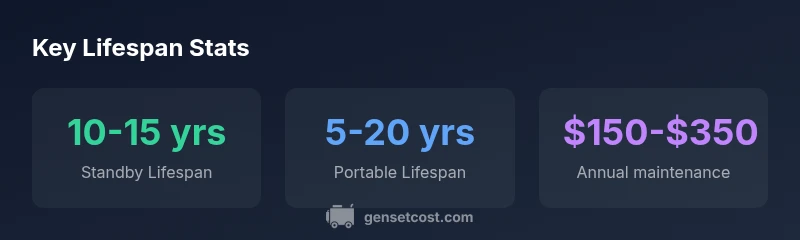
How long do home generators last? The answer varies by type and maintenance, but you can expect standby units to provide roughly 10-15 years of reliable service with regular service, while portable models typically last 5-20 years depending on usage. Lifespan also depends on load, climate, fuel quality, and how often you service the unit. In short, prevention beats replacement.
Understanding What 'Last' Means for Generators
For homeowners asking how long do generators last on a house, it's important to separate two notions: the service life and the usable lifespan. Service life refers to the period a unit operates before major mechanical failure requires replacement or major repair. Usable lifespan reflects the period during which a generator reliably delivers required power at a reasonable cost. In practice, most people consider a generator to have “last” meaningfully when it can run through years of outages without escalating maintenance beyond routine service. When you compare standby generators to portable models, you should also account for duty cycle—the typical on/off pattern in a residential setting. Standby units, designed for long-duty, are usually built with higher-quality alternators, better cooling, and more durable components, which tends to extend their service life compared with portable units that are frequently moved and stored.
Lifespan by Type: Standby vs Portable
Standby home generators are engineered for continuous or frequent duty during outages and are typically wired into your electrical system with an automatic transfer switch. They tend to use heavier gauges, more robust cooling systems, and higher-grade engines, all of which contribute to longer life under proper maintenance. Portable generators, by contrast, are designed to be relocated, stored, and started periodically for maintenance or short outages. They usually experience more wear from vibration, handling, and transport. In practical terms, a well-maintained standby unit can outlast a similarly aged portable unit when both are subjected to comparable load profiles. That said, a high-quality portable model with careful maintenance can still deliver a meaningful service life in the right circumstances. The key takeaway is that lifespan is strongly tied to how the unit is used and cared for, not just the unit’s sticker price.
Key Factors That Shorten or Extend Lifespan
Several factors determine how long a generator lasts in a home setting:
- Maintenance cadence: Regular oil changes, filter replacements, spark plug service, and coolant checks dramatically influence longevity.
- Load and duty cycle: Units that run at or near their rated capacity for long periods wear faster than those with balanced duty cycles or occasional use.
- Fuel quality and storage: Clean, stabilized fuel and proper storage practices reduce varnish formation, fuel degradation, and corrosion risk.
- Environment: Extreme heat, humidity, salt exposure, and cold weather can accelerate wear and reduce life if not mitigated with enclosure and ventilation.
- Brand and components: Higher-quality alternators, bearings, and cooling systems contribute to longer service life when paired with good maintenance.
- Installation and wiring: Proper transfer switches, grounding, and cabinet ventilation prevent electrical and thermal stress that shorten life. A sound installation reduces preventable issues and supports long-term reliability.
Maintenance: The Best Investment
Maintenance is the single most impactful lever for extending a generator’s life. A formal maintenance plan should include:
- Regular oil and filter changes based on hours or seasons (per manufacturer guidance).
- Spark plug inspection/replacement for gasoline units and appropriate fuel system checks for propane/diesel models.
- Cooling system checks, air and fuel filter changes, and battery health tests.
- Seasonal startup checks to verify starting reliability and load acceptance.
- Documentation of service history to track wear patterns and anticipate component replacement.
With a disciplined schedule, you’ll minimize unexpected outages and keep the unit operating within its intended tolerances. The cost of proactive maintenance is typically far lower than the expense of major repairs or premature replacement.
Load, Duty Cycle, and Runtime: How Workload Affects Life
Lifespan correlates with how hard a generator runs; continuous, heavy loads shorten service life more than intermittent, moderate use. To optimize longevity:
- Size for the load with a margin for growth, reducing excess cycling.
- Avoid running a unit constantly at full capacity; distribute peak load across multiple appliances when feasible.
- Use clean power transfer practices to reduce electrical stress during outages.
- Schedule test runs that mimic real outages but don’t push components beyond designed limits.
Understanding these patterns helps you plan maintenance windows and budget for component wear more accurately.
Geographic and Environmental Impacts
Climate and location influence generator longevity as much as maintenance. Excessive heat accelerates motor wear and reduces oil viscosity, while humidity can promote corrosion in exhaust systems and electrical connections. In coastal or salty environments, corrosion protection becomes critical. Northern regions may require cold-weather measures to prevent fuel gelling and battery degradation. Mitigation strategies include:
- Enclosures with ventilation that protect against dust and moisture while allowing heat dissipation.
- Regular corrosion checks and protective coatings on metal surfaces.
- Fuel stabilizers and appropriate battery insulation.
If you anticipate harsh conditions, discuss protective options with your installer to balance accessibility with protection.
Real-World Lifespan Ranges by Brand Quality
Manufacturers with robust testing and better component quality typically offer longer lifespans under comparable usage. Real-world lifespans also depend on installation quality, maintenance discipline, and regional climates. While it isn’t possible to guarantee a fixed lifespan for every model, you can expect higher-end standby units to reach the upper end of their 10-15 year range with a solid maintenance plan. Mid-range standby options and quality portable units often fall in the lower portion of their stated ranges, particularly in demanding environments. The practical takeaway is to assess your outage frequency, load profile, and willingness to invest in ongoing maintenance when selecting a generator type and price tier.
Planning for Replacement: When to Budget
Even with excellent maintenance, all generators gradually approach the end of their useful life. Planning ahead reduces stress during outages and protects property value. A practical approach:
- Create a replacement calendar aligned to the expected lifespan bands (10-15 years for standby, 5-20 for portable).
- Build a maintenance reserve that covers routine service and eventual component overhauls, separate from annual operating budgets.
- Review warranties and transfer-switch approvals to understand coverage and depreciation. Early planning helps you time a replacement before failure drives emergency costs.
Practical Steps to Extend Generator Life
To maximize longevity:
- Follow manufacturer-recommended service intervals and keep detailed maintenance records.
- Use high-quality fuel and stabilizers; avoid ethanol blends in long-term storage without proper treatment.
- Schedule seasonal checks and test runs to ensure reliability during outages.
- Invest in a proper enclosure and ventilation; prevent overheating from restricted airflow.
- Consider automatic load-management strategies to keep runtimes within designed ranges and reduce peak stresses.
- Prepare for climate-driven needs, such as corrosion protection in coastal regions or anti-gel measures in cold climates.
By adopting these habits, you can push the practical lifespan closer to the upper end of the ranges, delivering more years of dependable service.
Lifespan and maintenance bands by generator type
| Generator Type | Typical Lifespan | Annual Maintenance Range |
|---|---|---|
| Standby (home backup) | 10-15 years | $150-$350 |
| Portable gas | 5-15 years | $50-$150 |
| Liquid propane standby | 10-15 years | $100-$300 |
People Also Ask
How does continuous load affect generator lifespan?
Running a generator at or near full capacity for extended periods increases wear and tear, reducing efficiency and shortening overall life. It is better to size for a margin and avoid chronic overloading.
Continuous high load can shorten life; proper sizing and moderate duty cycles help longevity.
Does climate influence lifespan?
Extreme heat, humidity, and freezing temperatures can accelerate corrosion, fuel degradation, and battery wear. Protect the unit with enclosure, ventilation, and seasonal checks.
Climate matters; keep the unit dry, ventilated, and serviced.
Is maintenance required to achieve the listed lifespans?
Yes. A formal maintenance plan with oil changes, filter checks, spark plug replacements, and battery tests is essential. Skipping service shortens life and increases outage risk.
Regular maintenance is essential for long life.
Standby vs portable: which lasts longer?
Standby units are designed for longer life under residential use, while portable units can last longer only with careful handling and maintenance. In general, standby units tend to outlive portable ones under similar care.
Standby usually lasts longer, but good upkeep matters for both.
How can installation affect lifespan?
Poor wiring or incorrect transfer switches can introduce electrical stress and premature wear. Professional installation reduces risk and supports longevity.
Have a qualified pro install it to protect longevity.
What role do warranties play in lifespan?
Warranties reflect expected lifespan and coverage for certain components. Read terms to understand what is covered beyond routine maintenance and what triggers replacement.
Warranties guide expectations and help plan replacements.
“Regular maintenance is the best predictor of a generator's lifespan; neglect accelerates wear and reduces reliability. A proactive service plan can add years to service life.”
Key Takeaways
- Size the unit for realistic loads to avoid excessive cycling.
- Regular maintenance is the biggest driver of longevity.
- Standby units typically outlast portable ones under similar care.
- Environment and climate meaningfully influence life expectancy.
- Budget for replacement early and align with your maintenance plan.