How to clean generator gas tank: a step-by-step guide
Learn how to safely clean a generator gas tank, remove varnish and sediment, and restore fuel quality. This expert guide from Genset Cost covers safety, tools, steps, and testing to keep your backup power ready.


Learn how to safely clean a generator gas tank to remove varnish, stale fuel, and contaminants. This step-by-step guide covers safety checks, required tools, fuel-system flush, tank inspection, and fuel-line testing to ensure reliable operation during outages. Proper cleaning protects the engine, reduces clogs, and extends generator life.
Why cleaning the generator gas tank matters
Fuel that sits in a generator tank over months can degrade. According to Genset Cost, ethanol-blended fuels absorb moisture, varnish can form from gasoline and additives, and rust can begin inside metal tanks. These issues increase the risk of clogs, gum deposits, and poor starting performance. For homeowners and property managers who rely on backup power, a dirty tank can lead to hard starts, rough idling, or even fuel starvation during outages. Regular inspection and cleaning reduces varnish buildup and sediment that can travel downstream to the carburetor and injectors, protecting engine longevity. Genset Cost analysis shows that keeping the tank clean also improves fuel stability and engine efficiency, delivering more reliable outages. If your unit sits unused for long periods or is stored in humid environments, the risk compounds, making a proper cleaning routine even more valuable. The goal is to remove varnish and contaminants before they travel into fuel lines or the carburetor, so the generator starts smoothly when the power is needed.
Keeping write-offs and fuel waste low means this maintenance should be integrated into regular upkeep, especially for systems stored in humid or coastal environments. By focusing on the tank, you prevent downstream problems that affect carburetors, fuel pumps, and injectors. A clean tank also helps ethanol-blend fuels burn more consistently, reducing performance fluctuations during critical outages.
Safety and prep before you begin
Safety is the foundation of any fuel system maintenance. Work in a well-ventilated outdoor space or a dedicated workshop with proper exhaust removal if indoors. Keep a fire extinguisher rated for flammable liquids within arm’s reach and ensure no ignition sources are nearby. Wear chemical-resistant gloves and eye protection; long sleeves and closed-toe shoes are wise for spill control. If your generator has a battery, disconnect the negative terminal first to minimize spark risk, and remove any spark-cap or wiring that could cause accidental cranking. Prepare a map of your workflow, set up a drip pan, and lay out absorbent rags to catch spills. Finally, confirm you have all required tools and cleaners at hand to minimize open-fuel exposure time.
Assessing the fuel condition and draining safely
Before opening any fuel lines, confirm the unit is fully cooled and powered off. Place a drain pan under the fuel outlet and carefully drain the remaining gasoline into an approved container. Inspect the fuel for unusual color, smell, or separation; dark or hazy fuel often signals contamination or varnish. Cap the tank after draining to prevent air ingress and minimize rust risk. If you spot sediment or thick varnish, plan a more thorough flush with a compatible cleaner suitable for your tank material and fuel system. Store drained fuel according to local regulations and label the container clearly for safe disposal.
Cleaning methods: purge, flush, and sanitize
Choose an approved gasoline-compatible tank cleaner or a fuel-system flush product designed for small engines. Always follow product directions for mixing ratios and dwell times; avoid water- or solvent-based cleaners that aren’t rated for gasoline systems. Introduce the cleaner into the tank, then swirl or gently rotate the generator to coat interior surfaces. Let the cleaner sit as recommended, drain the tank, and repeat if necessary to loosen varnish. After the final flush, rinse with a small amount of fresh fuel to remove residue, drain again, and allow the tank to dry completely before refueling. A thorough dry-out prevents diluting new fuel and reduces rust risk.
Reassembly, testing, and maintenance after cleaning
Reinstall any removed components, reconnect hoses, and reseal the tank cap. Reconnect the battery and ensure electrical connections are clean and tight. Refill with fresh fuel and perform a controlled test run in a safe area to verify smooth operation and normal idle. Listen for hesitations, misfires, or unusual noises that could indicate lingering varnish or a clogged line. If issues persist, inspect fuel filters and carbs for blockages and consider replacing aged gaskets or seals. Document the maintenance activity and set a schedule based on usage, climate, and storage conditions to keep the fuel system healthy.
Tools & Materials
- Gas-tank cleaner or fuel-system flush solvent(Must be compatible with gasoline and tank material)
- Drain pan or approved fuel container(Safely catch and store used fuel for disposal)
- Gas-safe funnel(Reduce spills when refilling or rinsing)
- Rags or lint-free towels(For wiping interior surfaces and dry-out)
- Safety gloves (nitrile or neoprene)(Protect hands from fuel and cleaners)
- Safety glasses or face shield(Eye protection from splashes)
- Replacement fuel cap gasket or seals(Optional if you detect leaks after reassembly)
- Fresh gasoline for testing(Use clean, stored fuel from a separate container)
- Basic hand tools (screwdrivers, pliers)(Only if needed for reassembly)
Steps
Estimated time: 90-120 minutes
- 1
Power down the unit and prepare the workspace
Ensure the generator is completely off, unplugged, and cooled. If applicable, disconnect the battery and remove any spark-related wiring to prevent accidental cranking. Move the unit to a well-ventilated area and place a drip pan under the tank; lay out rags to catch spills.
Tip: Label and set aside any wires or components you disconnect to simplify reassembly. - 2
Drain remaining fuel safely
Open the tank drain or petcock and direct fuel into an approved container. Stop when the tank is near empty to minimize spills. Cap the outlet when finished and keep the container upright to avoid leaks.
Tip: Work slowly to control splashes and avoid air mixing with fuel. - 3
Inspect interior for varnish and sediment
Peek into the tank with a flashlight if possible. Look for varnish film, gummy deposits, or rust at the bottom. Document the condition with notes or photos to track progress across cleaning cycles.
Tip: If visibility is poor, consider partial disassembly for a better interior view. - 4
Flush and purge the tank
Pour in the cleaner according to the product instructions and agitate by gently rocking or rotating the generator. Allow dwell time as recommended, then drain. Repeat the flush if residue remains, then rinse with a small amount of fresh fuel to remove cleaner traces.
Tip: Do not mix cleaners with water or other chemicals not approved for gasoline systems. - 5
Dry, reassemble, and test
Remove residual cleaner with dry rags and allow the tank to dry completely. Reassemble the tank, reconnect lines, and refill with fresh fuel. Start the engine in a safe area and observe for smooth operation and leaks.
Tip: Always perform a test run away from ignition sources and have a fire extinguisher handy. - 6
Document and plan next steps
Record the date, fuel type, and any parts replaced. Schedule the next maintenance interval based on usage and climate. Consider keeping spare gaskets or seals on hand for future maintenance.
Tip: Set reminders for regular inspections to catch varnish early.
People Also Ask
Is it safe to clean the gas tank myself?
Yes, with proper precautions: use ventilation, PPE, and follow product instructions. If you’re unsure, consult a professional.
Yes, you can clean it yourself if you follow safety steps and product directions.
What are signs that my gas tank needs cleaning?
Look for varnish films, dark or cloudy fuel, reduced performance, and unusual odors. These indicate contamination that can affect fuel delivery.
Varnish, bad fuel smell, and performance drop usually mean cleaning is needed.
Can I reuse old fuel after cleaning?
It is generally best to drain and replace with fresh fuel after cleaning. Mixed or degraded fuel can cause running issues.
Usually not; fresh fuel is recommended after cleaning.
What cleaners are safe for gasoline tanks?
Use products specifically rated for gasoline systems and compatible with your tank material. Avoid household cleaners not designed for fuel systems.
Use approved gas-tank cleaners as directed.
How long does cleaning take?
Typically about one to two hours, depending on tank size and access. Allow extra time for thorough drying and testing.
Plan for about an hour or two.
Do I need to replace seals or gaskets after cleaning?
Inspect seals during reassembly and replace any that show wear or leaks. This helps prevent future fuel leaks.
Check seals and replace if worn.
Watch Video
Key Takeaways
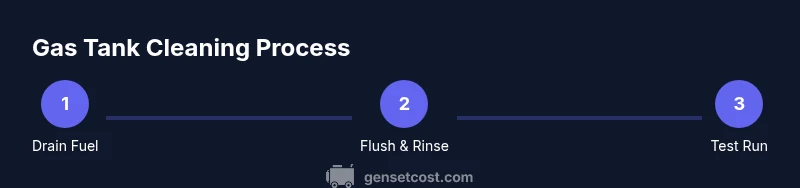
- Drain old fuel safely and inspect for varnish buildup.
- Use an approved cleaner and rinse thoroughly to avoid residues.
- Dry interior completely before refueling and test run afterward.
- Document maintenance and schedule future cleanings.