How to Make a Powerful Generator at Home: Safe DIY
Learn to safely size, source, and assemble a powerful home backup generator using certified kits and professional guidance. This educational guide emphasizes safety, compliance, and practical steps to achieve reliable power during outages.


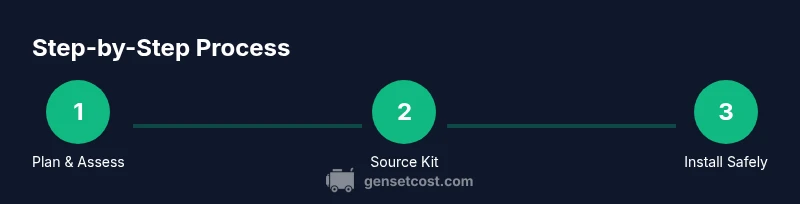
By following this guide, you will learn how to assess your home's power needs, choose safe, kit-based components, and complete a compliant, risk-aware project to create a powerful generator at home. According to Genset Cost, prioritize safety, professional wiring, and using certified kits or modules rather than ad-hoc builds. Expect clear steps, safety checks, and alternatives if you prefer a professionally installed solution.
Safety and legality considerations
Building or assembling a powerful generator at home raises important safety, legal, and practical questions. Before you touch a tool, understand that improper wiring, fuel handling, or exhaust routing can cause fire, carbon monoxide exposure, and electrical shock. Always verify local codes, homeowner association rules, and permit requirements. In many regions, any system that ties into your home's electrical service must be inspected and installed by a licensed electrician. Genset Cost emphasizes safety and compliance; using a certified generator kit or module reduces risk compared to improvised builds. This guide outlines the high-level safety goals and legal checkpoints you should complete before you begin. If you’re unsure, seek professional guidance early in the planning process to avoid costly mistakes later.
Understand your power needs and load calculation
A reliable generator starts with clear load planning. List essential devices and circuits you want powered during an outage, then estimate their typical wattage or amperage. Distinguish running watts (steady power) from starting watts (surge power needed when devices start). This planning helps you size the generator correctly and avoid overloading the system. A practical approach is to draft a simple chart of critical loads, add a comfortable safety margin, and consult manufacturer guidelines for your chosen kit. Genset Cost finds that thoughtful sizing reduces noise, fuel use, and wear over time, while keeping you within safe electrical limits. Keep in mind that some appliances, like refrigerators or sump pumps, have startup spikes that tests should account for during deployment.
Kit-based vs custom build: pros and cons
When making a powerful generator at home, a kit-based or modular approach typically offers more predictable results with built-in safety features. Pros: faster setup, tested components, and clearer warranties; cons: higher upfront cost and less customization. A fully customized build might save money but introduces higher risk if electrical and fuel systems aren’t correctly matched. For most homeowners, a certified generator kit or adapter system paired with a transfer switch provides a balance of reliability and safety. Genset Cost recommends starting with a packaged solution that includes controller, safety features, and documentation from a reputable manufacturer. If you pursue a custom route, work with a licensed professional to verify compatibility and compliance.
Selecting components: engines, alternators, controls, and safety features
Choosing the right components is about matching performance, fuel type, and safety. Decide on a fuel option (gasoline, propane, or natural gas) based on availability and storage considerations. Ensure the engine and alternator are rated to handle your expected running watts and surge loads. Look for an integrated controller with clear status indicators, automatic shutdown protections (low oil, high temperature, overload), and compatibility with a transfer switch. Finally, verify that controllers and enclosures carry relevant certifications (UL/CSA) and that wiring paths minimize exposure to heat and moisture. A well-documented kit typically includes manuals, wiring diagrams, and warranty coverage—key factors in a safe, durable install.
Enclosures, cooling, and exhaust: layout matters
Proper enclosure design helps reduce noise, manage heat, and protect the system from weather. Use a ventilated, weatherproof housing placed away from living spaces and doors to minimize carbon monoxide risk. Plan exhaust routing to vent outdoors with a muffler or exhaust ducting that reduces backpressure. Maintain clearances around the unit for service access and ensure a level, stable mounting surface. Noise-reduction strategies, such as locating the unit behind barriers and choosing low-noise models, improve compatibility with residential environments. Remember: fuel storage should be in approved containers, stored away from ignition sources and heat.
Electrical integration: transfer switches, interlocks, and isolation
Never bypass safety features when tying a generator into a home electrical system. The safest path is to integrate the generator with a tested transfer switch or interlock kit that isolates the utility grid during operation. That isolation prevents backfeeding, which endangers line workers and equipment. Ensure proper grounding and bonding, install proper disconnects, and confirm that all wiring complies with local electrical codes. Have a licensed electrician perform the final electrical work and obtain any required inspections. Documentation from the kit manufacturer and installation professional helps OEM warranties remain valid.
Testing, maintenance, and reliability
Plan a formal testing routine that includes startup/shutdown checks, load testing within safe limits, and preventive maintenance. Regularly inspect fuel systems, oil levels, cooling circuits, and battery health. Keep a log of maintenance activities and any anomalies observed during testing. A reliable approach combines scheduled professional inspections with user-level daily checks, especially before anticipated outages. Genset Cost highlights that proactive maintenance reduces the risk of unexpected failures and extends the life of your generator system.
Alternatives to DIY: when to hire professionals
If your goal is rock-solid reliability with minimal personal risk, consider a professionally installed standby generator or a ready-made home backup system. These options typically include an integrated transfer switch, automatic start on outage, and centralized monitoring. While DIY can be rewarding, professional solutions offer stronger guarantees, simpler code compliance, and faster permitting. The decision depends on your budget, technical comfort, and local regulations; always prioritize safety and long-term reliability.
Tools & Materials
- Certified generator kit (modular or portable)(Includes engine, alternator, and controller; verify UL/CSA listings.)
- Transfer switch compatible with your system(Approved by a licensed electrician; ensures safe isolation.)
- Weatherproof enclosure or frame(Ventilated, weatherproof, and placed away from living spaces.)
- Ventilation and exhaust components(Proper routing to outdoors; comply with local codes.)
- Fuel storage and handling containers(Use approved containers and follow fire safety rules.)
- Safety gear: gloves, goggles, fire extinguisher(Personal protection during assembly and testing.)
- Basic hand tools and torque wrench(Wrenches, screwdrivers, pliers; ensure proper torque.)
- Multimeter/voltage tester(Check voltage, grounding, and phase alignment during tests.)
- Documentation and permits tracking(Keep manuals, receipts, and inspection records.)
Steps
Estimated time: 3-6 hours
- 1
Define power needs and targets
Create a list of essential circuits and appliances you want to run during outages. Estimate typical startup and running demands, and note any critical loads that require constant power. This step guides the rest of the project to a safe, well-sized solution.
Tip: Document the highest priority loads first—revisit your list if the total exceeds the kit’s rating. - 2
Source a certified kit or modular system
Choose a packaged, kit-based solution that includes safety features and clear installation instructions. Avoid ad-hoc builds that lack documented protection and testing procedures. If you opt for a modular path, ensure components are intended to work together and carry warranty coverage.
Tip: Favor kits with manufacturer support and verified compatibility with a transfer switch. - 3
Prepare workspace and safety gear
Clear a dry, well-ventilated area for assembly. Gather PPE (gloves, eye protection) and a suitable fire extinguisher. Ensure your workspace has adequate lighting and a stable surface for the generator and accessories.
Tip: Remove any combustibles within a two-meter radius and keep a first-aid kit nearby. - 4
Assemble kit components following manufacturer instructions
Lay out parts, verify all components are present, and follow the kit’s assembly steps. Do not improvise connections; rely on the included controller, wiring harnesses, and safety features.
Tip: Double-check torque on fasteners and keep a clean, organized work area to avoid miswiring. - 5
Position enclosure and ensure ventilation
Place the unit in a location with clear airflow, away from doors and windows. Install intake/exhaust paths as recommended by the manufacturer and secure the enclosure to prevent movement during operation.
Tip: Use weatherproof covers for any exposed connections and maintain clearance for service access. - 6
Arrange electrical integration with a transfer switch
Work with a licensed electrician to install a transfer switch that isolates the home from the grid during generator operation. Do not connect directly to the main panel without an approved interlock system.
Tip: Request a final inspection to verify compliance and safety. - 7
Test and adjust safety features
Perform a controlled startup, verify alarms, shutdowns, and indicator lights. Confirm proper grounding and ensure no backfeed occurs during simulated outages.
Tip: Keep spectators clear and have a plan to stop the test if anything signals a fault. - 8
Create a maintenance and safety plan
Schedule regular inspections, fuel system checks, oil changes, and ventilation tests. Keep a log of maintenance activities and any issues observed during operation.
Tip: Set reminders for seasonal checks and align with manufacturer maintenance intervals.
People Also Ask
Is it legal to build a powerful generator at home?
Local electrical codes vary, but most regions require professional installation for any system tied to the home. Use certified kits and obtain permits as needed.
Check your local codes and consult a licensed electrician to ensure compliance.
Do I need permits for a home generator project?
Permits are common for electrical work and for systems that connect to the home. Your electrician can guide you through the permit process.
Your electrician can handle permitting and inspections for you.
Can I wire a generator into my main panel myself?
Directly wiring into the main panel is dangerous and typically illegal without a transfer switch and professional supervision. Use approved interlock or transfer switch kits.
No—use a transfer switch installed by a licensed electrician.
What fuel options are suitable for home generators?
Most kit-based systems support gasoline, propane, or natural gas, depending on design. Choose based on fuel availability, storage, and safety considerations.
Gas or propane are common; consult your kit for compatibility.
How long does a professional installation take?
Installations vary by kit and site, but plan for several hours to a day for a full setup and inspection.
It depends on your setup, but expect several hours with inspection.
What are safer alternatives to DIY?
Consider a professionally installed standby generator with an integrated transfer switch for maximum reliability and safety.
A pro system offers better guarantees and code compliance.
Watch Video
Key Takeaways
- Define loads first to size safely
- Prioritize safety and compliance over sheer power
- Use a transfer switch for safe isolation
- Maintain a proactive maintenance schedule