Repair Generator Near Me: Local Help & Costs
Find trusted generator repair nearby, compare estimates, and plan a safe diagnostic with local pros. Learn credentials, safety, and preventive maintenance to minimize outages and extend your standby system’s life.


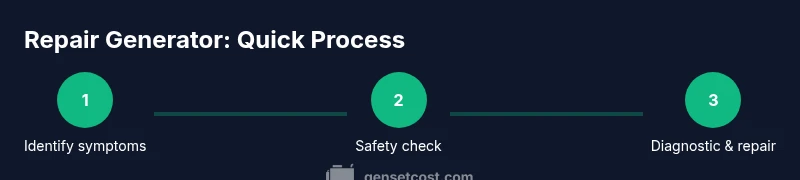
To repair a generator near you, first identify the model and symptoms, then locate qualified repair shops or mobile technicians, verify certifications, and request an estimate. Prepare your generator’s make, model, serial, and service history. Compare quotes, check warranties, and schedule service. For safety, disconnect power and follow manufacturer shutdown procedures.
Understanding the phrase repair generator near me
When homeowners search for 'repair generator near me', they’re typically seeking fast, reliable service that can diagnose and fix issues with minimal downtime. The goal is a clear, transparent process: identify the problem, obtain a fair diagnostic, and implement a repair with a reasonable turnaround. Local options matter because outages and weather events create spikes in demand, which can affect parts availability and technician response time. Proximity also supports more straightforward scheduling and better communication, since you’re dealing with nearby technicians who understand regional fuel types, climate considerations, and standard installation practices. Remember that repairs range from simple maintenance tasks to complex electrical diagnostics, so framing your search by qualifications, response time, and clear estimates helps you find the right solution for your home power needs.
The benefits of local repair options for generators
Local repair options bring faster response times, easier scheduling, and more direct communication. A nearby technician can often perform on-site evaluations, reducing downtime during critical periods like storms or heat waves. Local providers tend to understand regional fuel quality, environmental wear, and typical transfer-switch setups better, which can shorten diagnostic times. Warranty support is typically easier when the service is performed by a nearby, reputable shop, as many manufacturers require local service to maintain warranty validity. Additionally, local providers may offer maintenance contracts with predictable pricing, preventive inspections, and annual load tests that protect your standby system from unexpected outages.
How to search for nearby repair services
Begin with location-based searches that combine your area with the term near me, then expand the radius if necessary. Look for authorized service networks from the generator brand you own, and read recent customer feedback that highlights reliability and communication. Verify the company is licensed to perform electrical work and is insured to cover possible damages. Request a written estimate that itemizes labor, parts, and travel, and ask about expected turnaround times. If you can, contact multiple providers to compare their diagnostic approaches and ensure you’ll receive a clear written report. Also confirm that the technician can identify your model and fuel type, since propane, natural gas, and diesel systems can behave differently.
Verifying credentials and avoiding scams
Check for a valid business license and proof of insurance, and look for technicians with brand-specific training or manufacturer certifications relevant to your generator. Reputable shops publish contact details, a physical address, and transparent billing policies. Be wary of unusually low quotes without a detailed breakdown, or services that pressure payment upfront. For emergencies, insist on a written diagnostic after the visit, even if the call is urgent. If you’re unsure about a repair, seek a second opinion from another local pro. Avoid unsolicited calls offering fixed-price fixes for complex electrical work.
What to expect during diagnosis and repair
A diagnostic visit usually begins with safety checks, fluid level verification, and a quick run to observe charging and load performance. Technicians listen for unusual sounds or smells and use a multimeter to verify output voltage and critical connections. If parts are needed, they’ll provide a transparent estimate with lead times and warranty terms. Many common fixes are maintenance-related, such as air filter replacement or carburetor cleaning, which can be completed onsite. For more complex electrical faults, the team may propose bringing the unit to a shop or ordering replacement parts, and they should supply a written report detailing findings and recommended actions.
Common generator problems and fixes
Typical issues include starting failures due to battery or fuel problems, no output from the generator, or abnormal noises and overheating. Fuel system problems can involve stale gasoline, clogged filters, or a dirty carburetor; air intake blockages can restrict performance, while electrical faults might stem from loose connections or damaged wiring. A professional will assess the ignition, battery, charging system, and transfer-switch integration to determine root causes and prevent recurrence. The objective is safe operation with reliable power delivery and minimal downtime.
How to compare estimates and warranties
When evaluating quotes, prefer transparent, itemized estimates that separate labor, parts, and any travel charges. Compare labor rates and determine if a diagnostic fee is waived when a repair proceeds. Pay attention to warranties: labor warranties, parts warranties (OEM vs aftermarket), and the duration of coverage. Consider the total cost of ownership, including potential future servicing and maintenance plans. Request a full diagnostic report, a proposed repair timeline, and a clear explanation of any recommended preventive tasks. This helps you make an informed decision that balances cost, reliability, and peace of mind.
Safety considerations and best practices
Always prioritize safety: never operate a generator indoors or in enclosed spaces, and ensure proper ventilation during testing. Disconnect the battery and allow the engine to cool before touching hot components. Wear appropriate PPE and keep bystanders away. For units connected to a transfer switch, de-energize the switch and follow wiring diagrams from the manufacturer. Store fuel in approved containers away from ignition sources and have a fire extinguisher accessible. If you’re unsure about any procedure, pause and call a licensed professional to avoid serious injury or damage.
DIY vs professional service: when to call a pro
Basic maintenance like oil changes or air-filter replacements can be doable for confident DIYers, but electrical diagnostics and control-system work should be left to licensed technicians. If your generator is under warranty, verify whether self-service affects coverage. In outage situations or if the problem involves the electrical system or safety switches, a local pro with proper credentials is the safer choice. For critical outages, a prompt, skilled professional can save time and prevent costly mistakes.
Maintenance plan to reduce future breakdowns
Create a regular maintenance routine, including annual or semi-annual inspections, oil changes, filter replacements, belt checks, and cleaning of cooling fins. Keep a maintenance log with dates, observed symptoms, and actions taken to help diagnose recurring problems. Follow the manufacturer’s guidelines for fuel stabilization, oil intervals, and battery health checks. A nearby provider may offer a maintenance contract that covers inspections, testing, and priority scheduling, helping reduce downtime and prolong generator life.
Local vs national service networks: pros and cons
Local service providers offer rapid response, personalized guidance, and better understanding of regional power needs. National chains provide standardized processes, broader parts inventories, and consistent warranty policies but may have slower response times in certain areas. The right balance is a trusted local technician backed by a reputable brand network, ensuring timely service and consistent support when you need it most.
Tools & Materials
- Owner's manual or model documentation(Identify correct shutdown procedures and specs)
- Digital multimeter (AC/DC volts, resistance)(For basic electrical checks and troubleshooting)
- Socket set and wrenches(For opening panels and mounting hardware)
- Screwdriver set (Phillips and flat)(Access panels and tighten fasteners safely)
- Safety gear (gloves, safety glasses)(Protect from fuel, sharp edges, and hot surfaces)
- Cable ties and electrical tape(Temporary securements and insulation)
- Battery terminal cleaner or wire brush(Clean connections if corrosion is present)
- Replacement parts list or OEM numbers (optional)(Helpful for ordering replacements; not always needed on site)
Steps
Estimated time: 2-6 hours
- 1
Identify symptoms and secure safety
Begin by noting what isn’t working (no start, no output, unusual noises). Ensure the area is well-ventilated, disconnect the battery, and shut off the main power before touching any components. Gather your generator’s model details and a recent service history to share with the pro.
Tip: Shut off power, disconnect the battery, and ventilate the area before inspection. - 2
Review model, serial, and shutdown procedures
Locate the serial and model numbers on the data plate. Check the manufacturer’s shutdown and safety instructions to avoid accidental injuries or improper testing. If you don’t have the manual, download the OEM guide from the brand’s site before proceeding.
Tip: Have the manual or OEM guide on hand for reference. - 3
Access critical components safely
Open access panels using appropriate tools and keep fasteners organized. Avoid touching hot surfaces; let the engine cool if it has been running. Inspect obvious issues like loose wires, damaged hoses, or visible corrosion.
Tip: Use PPE and keep a clean workspace to prevent misplacing parts. - 4
Conduct basic electrical tests with a multimeter
With the engine off, test battery voltage, output voltage, and continuity on key circuits. Record readings and compare them to the manufacturer’s specifications. If readings are out of range, document them for the technician.
Tip: Document all readings to help the pro diagnose faster. - 5
Inspect fuel and air systems
Check fuel for freshness, inspect lines for leaks, and inspect the air filter and carburetor. Replace dirty filters and clean intake passages as needed. Fuel system issues are a common cause of startup and performance problems.
Tip: Fresh fuel and clean filters often fix simple power losses. - 6
Decide on repair vs professional service
If the fault involves control wiring, safety switches, or complex alternator issues, schedule a professional visit. For ambiguous issues, arrange a diagnostic with a local pro and request a written report.
Tip: When in doubt, prioritize safety and professional assessment.
People Also Ask
What should I do first if my generator won't start?
Begin with basic checks: fuel level, battery voltage, and safety switches. If it still won’t start, consult a local professional rather than attempting risky electrical work.
First, check fuel, battery, and safety switches. If it won’t start, call a local pro for a safe diagnostic.
How do I verify a repair provider's credentials?
Check licenses, insurance, and manufacturer training or certifications relevant to your generator brand. Read recent customer reviews to gauge reliability and communication.
Check licenses, insurance, and brand-specific training; read recent reviews for reliability.
Is it safe to attempt repairs myself?
Basic maintenance is sometimes possible for confident DIYers, but electrical diagnostics and safety switches should be handled by a licensed technician to avoid injury and warranty issues.
DIY is okay for simple tasks, but for electrical work, hire a licensed pro.
Should I use OEM parts or aftermarket parts?
OEM parts ensure proper fit and preserve warranty, while aftermarket parts can be cheaper but may affect reliability or warranties. Check the manufacturer’s advice.
OEM parts fit best and protect warranties; aftermarket parts can save money but may have trade-offs.
What qualifies as emergency repair service?
Emergency services are typically needed during power outages or critical failures. Look for providers offering 24/7 mobile repair and rapid response.
In a power outage, seek 24/7 mobile repair options for urgent readiness.
How can I prevent future generator breakdowns?
Follow a regular maintenance plan: periodic inspections, clean air filters, fuel stabilization, and battery checks. A proactive schedule reduces downtime and improves reliability.
Keep up with maintenance to prevent future failures and keep power flowing.
Watch Video
Key Takeaways
- Identify model and symptoms before calling for service.
- Prioritize safety and proper licensing.
- Obtain written estimates and warranties for clarity.
- Differentiate DIY maintenance from professional repair.
- Maintain a regular schedule to reduce outages.