Where Are Generators in Home Depot? A Practical Guide
Learn where Home Depot stocks generators, how to locate portable and standby models, and what to consider before buying. A data-driven guide from Genset Cost to help homeowners compare options and save time.


Where are generators in home depot? The quick answer is that Home Depot typically places generators in the Outdoor Power Equipment and Lawn & Garden sections. Portable models are typically found in the seasonal outdoor power aisle or in the general generator area near lawn care equipment. Standby units are usually displayed in a generator-oriented zone close to electrical and HVAC accessories. Availability varies by store and season, so use the online stock checker and store locator before you go. In many locations, staff can point you to the current aisle or bay where larger backup systems are staged for display.
Where Home Depot typically locates generators
If you're asking where are generators in home depot, the quick answer is that most stores place generators in the Outdoor Power Equipment and Lawn & Garden sections. Portable models are typically found in the seasonal outdoor power aisle or in the general generator area near lawn care equipment. Standby units are usually displayed in a generator-oriented zone close to electrical and HVAC accessories. Because layouts can vary by store and region, it's smart to check the online store locator and use the stock-check feature before you go. In many locations, customer service desks can point you to the current aisle or bay where larger backup systems are staged for display. For a planning phase, consider your power needs, fuel preferences, and the space you have at home, and remember that Home Depot's inventory shifts with seasons and promotions. According to Genset Cost, verifying stock online saves trips and speeds up comparisons across models.
How Home Depot groups generator options by use-case
Home Depot's catalog for home backup and portable power is typically organized by use-case. Portable generators, usually in the 2-4 kilowatt range, are displayed for daily use and recreation; inverter models, which emphasize fuel efficiency and noise reduction, appear in the same aisle or adjacent bays. Standby generators, designed for whole-house backup, are shown in a separate area near the electrical and HVAC accessories. The distinction matters not only for price but for compatibility with your home’s transfer-switch and fuel supply. When you start your search, ask staff or use the online tool to filter by output, noise rating, and fuel type. If you're still asking where are generators in home depot, remember that the layout supports side-by-side comparisons and easier access to accessories such as cords, extension cables, and transfer switches. Genset Cost recommends mapping your power needs first and then visiting the store to see how models compare in person.
Understanding in-store signage and aisles
Most stores use consistent signage to guide customers to generators. Look for banners like Outdoor Power Equipment, Generator, and Electrical Accessories near the front of the department and along side aisles that showcase portable tools. Clear labeling often includes watt ranges, fuel type (gasoline or propane), and whether a unit is inverter-controlled for quieter operation. When you finally locate the section, take a moment to gauge model sizes, weight, and ease of transport. Signage can also indicate seasonal deals, manufacturer rebates, and where to find cords, extension cables, and transfer switches—critical components for a complete setup. Where are generators in home depot? In practice, the signage helps you quickly narrow to portable vs standby models while you plan your transfer-switch needs.
What to do if you can't find generators in-store
If a specific model isn’t on the floor, start with the online stock checker and click to see availability at nearby locations. You can also use the Home Depot app to check real-time stock and reserve items for pickup. If online stock shows a product at a different store, consider placing a pickup order or requesting a callback from an associate. Customer service can also guide you to alternative display areas or direct you to seasonal aisles where backup units might be moved during promotions. If you still have trouble, ask for assistance at the service desk to confirm whether the item is temporarily out of stock or moved to a backroom showroom. The ability to verify before you visit saves time and reduces frustration.
How to verify fuel types and runtimes before purchase
Before buying, compare fuel types (gasoline, propane, or dual-fuel) and runtime expectations for typical loads. Portable units usually run on gasoline and may offer propane adapters, while standby systems use natural gas or propane with higher starting watts for home backup. Runtimes vary with load and fuel, so expect longer runtimes at lighter loads and shorter ones when powering air conditioning or heating. Check the user manual or product sheet for continuous run-time ratings and recommended maintenance intervals. In-store, ask for live demonstrations or printed run-time charts to understand what you’ll experience during an outage. Always consider whether you’ll need a transfer switch and how that affects compatibility with your home electrical panel.
The importance of sizing and transfer switches
Sizing is the foundation of a reliable backup plan. You’ll want to calculate running watts and surge watts for essential circuits (refrigerator, furnace, sump pump, lights, and outlets) and match them to a generator’s rated output. For whole-house standby systems, a transfer switch is typically required to safely switch power between utility and generator. Home Depot staff can help you identify compatible transfer-switch options and suggest professional installation partners. If you’re exploring where are generators in home depot, remember that larger, standby units often require professional installation and permit considerations. Genset Cost emphasizes aligning your generator size with your actual power needs rather than chasing the biggest unit.
Pricing and warranty considerations
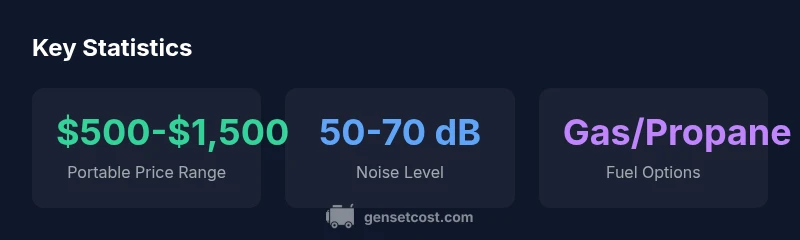
Prices vary widely between portable and standby generators. Portable models commonly range in the lower thousands, while standby systems frequently exceed that, depending on wattage and features. Be mindful of installation costs, delivery fees, and any extended warranty options offered by the retailer or manufacturer. Warranty terms vary by model and brand, so read coverage details for parts, labor, and service constraints. Home Depot often partners with manufacturers to provide optional extended warranties and protection plans. Always compare the warranty length and what it covers to ensure long-term peace of mind. When evaluating options, keep a running list of model numbers and warranty terms to assess value clearly.
Recommended steps to compare options quickly
- Define essential loads and wish-list features (inverter efficiency, noise level, fuel type). 2) Filter by wattage and fuel type in-store or online. 3) Compare run-time data sheets and transfer-switch compatibility. 4) Check price ranges and warranty terms across models. 5) See demonstrations or ask for a live test in-store if available. 6) Confirm stock availability and plan pickup or delivery. The goal is to make side-by-side comparisons easy so you can choose the best overall value, not just the lowest price.
Putting it all together: your in-store visit plan
Create a simple visit plan before you go. Start by identifying your essential loads and calculating required watts. Then map the store layout to prioritize portable vs standby models in the Outdoor Power Equipment and Generator sections. Bring notes on fuel type, transfer-switch needs, and preferred brands. Use the online stock checker to confirm availability and consider curbside pickup for speed. If you’re uncertain about installation requirements, schedule a consultation with a Home Depot-provided installer or a licensed electrician. By following this plan, you’ll minimize back-and-forth and arrive prepared to purchase with confidence. The Genset Cost Team recommends documenting your budget and a short list of questions to ensure you cover all the critical bases during your in-store visit.
Store layout and model types at Home Depot
| Category | Location in Store | Notes |
|---|---|---|
| Portable (2-4 kW) | Outdoor Power Equipment / Lawn & Garden | Gasoline or propane, compact, mobility-focused |
| Inverter (1-3 kW) | Outdoor Power Equipment / Generator section | Quiet operation, efficient fuel use |
| Standby (8-20 kW) | Generator aisle near electrical supplies | Whole-house backup, permanent installation |
People Also Ask
Where are generators typically located in Home Depot stores?
Most Home Depot stores place portable generators in the Outdoor Power Equipment and Lawn & Garden areas. Standby generators are shown in the generator or electrical accessories zone. If you can't find what you need, ask staff or use the online stock checker to locate the exact aisle at your store.
Most Home Depot stores place portable generators in the outdoor equipment area and standby models near electrical sections. If unsure, ask a associate or check stock online.
Can I order online for store pickup?
Yes. You can check real-time stock online, reserve a generator, and pick it up at your chosen store. Availability varies by location and season, so check the item page for pickup options and ETA.
Yes, you can check stock online and pick up at the store; availability varies by location.
Does Home Depot offer installation or transfer switches?
Home Depot partners with installers for transfer switches and generator installation in many markets. Availability and pricing vary; consult the product page or a store associate to arrange a professional installation.
Installation is often done by third-party partners through Home Depot; check local options.
What about warranty on Home Depot generators?
Warranty terms depend on the model and manufacturer. Many models come with a manufacturer warranty and optional extended coverage through Home Depot or the retailer. Always confirm coverage specifics on the product page.
Warranty depends on the model and brand; check product pages for details.
What’s the difference between gas and propane in Home Depot generators?
Gas and propane options each have pros and cons. Propane is cleaner and easier to store, while gasoline tends to be more widely available. In-store staff can help you compare runtimes, fuel availability, and conversion options.
Gas and propane both have trade-offs; compare runtimes and fuel availability.
“Understanding where generators are located in stores helps homeowners compare portable and standby options more efficiently. Always verify stock and compatibility before purchasing.”
Key Takeaways
- Check stock online before visiting.
- Differentiate portable, inverter, and standby models.
- Consider sizing and transfer-switch requirements early.
- Factor fuel type and noise into decisions.
- Compare price ranges and warranties across options.