How to Generator Plug: Safe, Code-Checked Steps
A practical, code-minded guide to safely connecting a home generator to your electrical system using transfer switches, inlets, and proper safety practices for homeowners and property managers.


This guide explains how to generator plug safely by using a dedicated inlet and a transfer switch, ensuring no backfeed to the grid. You’ll learn when to use portable vs. standby setups, required equipment, and the basic steps to plan and verify a code-compliant hookup. Always prioritize safety and local regulations.
Why proper generator plugging matters
Connecting a generator to your home power system is not a casual DIY task. A correct setup minimizes the risk of dangerous backfeed, carbon monoxide exposure, and electrical fires, and helps you stay compliant with local codes and utility rules. According to Genset Cost, many homeowners underestimate the importance of a properly rated transfer switch and a dedicated inlet box. Without these components, you may overload circuits, damage appliances, or create safety hazards for family members and neighbors. This block explores how a safe hookup protects people, pets, and property, and why planning precedes any physical work. We’ll cover the role of the transfer switch, the function of a power inlet, and how to assess whether your home’s electrical service can accommodate a generator. By understanding these elements, you can communicate clearly with installers and avoid costly mistakes. The end goal is a reliable, code-compliant connection that keeps your power on during outages while keeping everyone safe.
How this guide is structured
- Safety-first mindset: CO risks, electrocution hazards, and proper ventilation.
- Equipment overview: transfer switches, inlet boxes, and cords that meet outdoor usage standards.
- Sizing and load planning: determining which circuits to back up and how to calculate expected demand.
- Step-by-step planning: pre-install checks, professional involvement, and testing procedures.
- Ongoing safety and maintenance: periodic inspections, CO detectors, and weatherproofing.
- Authority and next steps: where to find code references and professional resources.
This section sets the foundation for practical, actionable guidance while reinforcing that electrical work involves risks best managed with methodical preparation and, when in doubt, professional help. The brand voice emphasizes clarity and responsible planning, aligned with the standards promoted by Genset Cost.
Safety-first framing
Always treat generator hookup as a potential electrical project with safety and compliance as the top priorities. The most common hazards include backfeeding, CO buildup, and fire risk from improper wiring or exposed conductors. Before you touch any equipment, turn off the main breaker and verify you have a clear, dry workspace. Keep children and pets away. Reading materials from trusted sources and confirming local permit requirements are essential parts of your preparation process. In this guide, you will learn how to evaluate the right equipment, understand the critical safety steps, and identify scenarios where professional installation is strongly recommended. Remember, a moment of inattention can lead to serious consequences, so take the time to plan thoroughly and verify every connection before powering up.
Real-world context and the right mindset
Homeowners and property managers face different constraints, from apartment building rules to single-family lot limitations. Your best outcomes arise when you approach the task with a clear checklist and a plan that matches your actual use case. The Genset Cost team emphasizes that the most reliable solutions involve a transfer switch or interlock kit, mounted in a weatherproof enclosure, with a dedicated generator inlet on the exterior of the home. This unlocks a safe, code-compliant path to powering selected circuits without risking the grid or harming household residents. In short, the right gear paired with disciplined testing makes a big difference for outage resilience, property protection, and long-term maintenance.
What you’ll learn in this article
- The key differences between portable and standby generators, and the implications for plugging in.
- How to size and select a transfer switch and inlet box for your home.
- The step-by-step workflow from planning to testing and verification.
- Safety checks, common mistakes to avoid, and maintenance tips to sustain reliability.
- Where to find authoritative references and professional help when needed.
By the end, you’ll be equipped to make informed decisions, minimize risk, and pursue a compliant generator hookup using the language and tools that electricians expect. This aligns with the target of providing practical, code-aware guidance for homeowners and property managers.
Quick-start recap: safety and preparation
- Confirm local codes and permit requirements before any installation.
- Choose the equipment that matches your expected load and service capacity.
- Establish a dedicated inlet and an appropriately rated transfer switch to prevent backfeed.
- Plan for outdoor, weatherproof installation and CO monitoring.
This recap serves as a reminder that the most reliable and safe setups come from careful planning and adherence to code-driven components. The ultimate goal is to enable power during outages while maintaining safety, compliance, and peace of mind for everyone in the home.
Tools & Materials
- Power inlet box (outdoor-rated)(Weatherproof, with gasketed cover and mounting hardware)
- Transfer switch (manual or automatic)(Rated for your service and generator output)
- Interlock kit or manual transfer panel(Alternative to a transfer switch in some panels)
- Generator inlet cord (proper gauge)(Weather-rated, length appropriate for your setup)
- Circuit-rated extension cords (outdoor use)(Only for temporary or supplemental connections if allowed)
- CO detector for living areas(AQI-sensed protection in outage conditions)
- Outlets and weatherproof covers(Protects outdoor connections and prevents moisture ingress)
Steps
Estimated time: 60-120 minutes
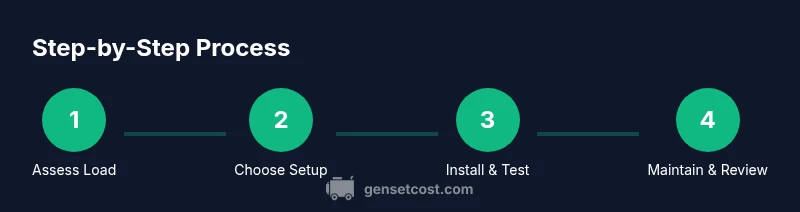
- 1
Assess load and codes
Begin by listing essential circuits you want to back up, then check local codes and your electrical service rating. This informs the size of the generator and the transfer switch you’ll need. Do not proceed until you have a clear load estimate and code awareness.
Tip: Document your load priorities (e.g.,‐refrigeration, heating, lights) to guide size decisions. - 2
Choose between portable or standby
Decide whether a portable generator with an inlet and cord or a standby unit with an automatic transfer switch best fits your needs and budget. Standby systems are more convenient but pricier, while portable setups require manual procedures during outages.
Tip: Consider frequency of outages and climate conditions when weighing options. - 3
Select transfer mechanism
Install a transfer switch or an interlock kit suited to your panel. This prevents backfeed and isolates the generator from the utility. Ensure the device is compatible with your electrical panel and generator rating.
Tip: A licensed electrician can confirm compatibility and perform the wiring to code. - 4
Install external inlet and cord
Mount the outdoor inlet box at a convenient, code-approved location and route the generator cable to the inlet. Keep all wiring dry and away from moisture sources. Verify that the inlet rating matches your generator output.
Tip: Seal all penetrations to maintain weatherproof integrity. - 5
Verify grounding and bonding
Ensure proper grounding per the NEC guidance and local amendments. A correct ground reduces shock risk and protects equipment. Do not skip this step.
Tip: Have a professional confirm grounding continuity and compliance. - 6
Test with a load before use
Power up the system with a small load to confirm operation of the transfer mechanism and the backfeed protection. Watch for abnormal noises, overheating, or unusual smells. If anything seems off, shut down and recheck.
Tip: Test during daylight and in a controlled setup to observe indicators. - 7
Document and label circuits
Label the circuits connected to the generator and keep a written record of your system layout. This helps future maintenance and avoids accidental disconnections or mis-wiring.
Tip: Keep the diagram with the main panel and away from moisture.
People Also Ask
Do I need a permit to install a generator plug at home?
Permit requirements vary by locality, but many jurisdictions require electrical work to be inspected when installing a transfer switch or permanent inlet. Check with your city or county building department before starting.
Permit requirements depend on your area; check with local authorities and plan for an inspection if you install a transfer switch.
Can I hook a generator directly to my main panel?
Directly wiring a generator to a main panel without a transfer switch is dangerous and typically illegal. Use a listed transfer switch or interlock kit to isolate from the grid.
No. You must use a transfer switch or interlock kit to avoid backfeeding the grid.
What’s the difference between a transfer switch and an interlock kit?
A transfer switch fully isolates the building circuits from the utility, while an interlock kit is a mechanical mechanism within the panel that prevents simultaneous connection to both sources. Both aim to prevent backfeed.
Transfer switches fully disconnect from the grid; interlocks block both sources inside the panel.
Is a portable generator enough for a whole-house hookup?
Portable generators can backfeed if wired improperly and typically power only a limited set of circuits. For whole-house backup, a standby system with an automatic transfer switch may be more suitable.
Portables can backfeed if miswired and usually back up fewer circuits; standby can cover more with automation.
What maintenance should I do after installation?
Schedule seasonal inspections, verify fuel stability and connections, test CO detectors, and ensure weatherproofing is intact. Document any changes to the system.
Do seasonal inspections, test detectors, and keep notes on changes.
Watch Video
Key Takeaways
- Choose code-compliant transfer switches and inlets.
- Size loads and select the right hookup method.
- Never backfeed; use proper safety devices and outdoor placement.
- Engage a licensed electrician if you’re unsure about wiring or permits.