Generator Maintenance Checklist for Home Backup Generators
A complete, step by step generator maintenance checklist for homeowners and property managers. Learn safety, scheduling, and record-keeping to keep your backup power reliable during outages.


This quick answer provides a practical generator maintenance checklist designed for homeowners and property managers. It highlights essential safety steps, routine tasks, and scheduling guidance to ensure your backup power is reliable when outages occur. Use this as a starting point to plan annual service, keep records, and minimize unexpected downtime.
Why a Generator Maintenance Checklist Matters
A generator is a critical piece of home infrastructure that protects your family and clients during power outages. A well designed maintenance checklist helps you stay proactive rather than reactive, reducing the risk of breakdowns when you need power most. By following a structured approach, homeowners and property managers can catch wear, prevent leaks, and extend the life of their unit. According to Genset Cost, a clear maintenance framework increases reliability and reduces surprises during outages. This guide translates those findings into actionable steps you can implement this season and sustain year after year. Think of this checklist as an operating manual for your backup power system, customized to common residential and small commercial setups. You will also develop a habit of recording every service, so you can track performance over time and plan future improvements.
Preparing for Maintenance: Safety and Planning
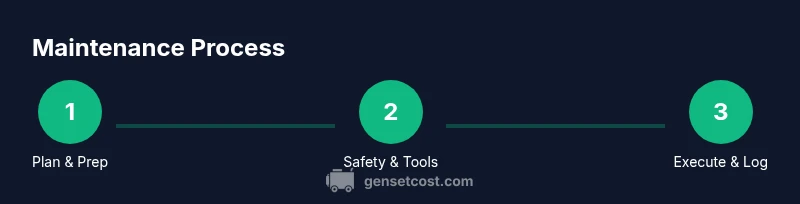
Before you touch the generator, set clear safety boundaries and create a low stress maintenance window. Start by locating the model's manual and checking the recommended service intervals. Gather required tools and PPE, disable the generator from any fuel sources or electrical circuits, and consider locking out the service area to prevent accidental startup. Schedule maintenance during mild weather to avoid heat or cold hazards and minimize disruption to property operations. If you manage multiple units, assign a maintenance window and document access permissions for technicians. A well organized plan reduces risk, speeds up the work, and improves overall results. As you prepare, confirm that ventilation is adequate in the service area and check for any fuel spills or leaks that could cause safety concerns.
Monthly vs Seasonal vs Annual Tasks
Maintenance tasks fall into different cadences. Monthly checks are quick health indicators: look for corrosion, check the oil level, verify that the unit is free to rotate, and listen for unusual noises during a quick run. Seasonal tasks expand on this by inspecting filters, hoses, and cables, checking battery charge, and validating that the transfer switch engages properly. Annual service is the most comprehensive, typically involving oil and filter changes, coolant checks, ignition components, and a full test under load. Keeping a simple cadence helps you avoid missing critical steps while also fitting maintenance into busy schedules. The key is consistency; missing a season can lead to accumulate wear and unplanned outages.
Fuel and Emissions: Keeping It Clean
Fuel quality matters for reliability and emissions. Use the recommended fuel type for your unit and add a stabilizer if fuel sits in the tank for an extended period. Run the generator at least once every month or according to the manufacturer schedule to prevent varnish formation and stale fuel. If you store gasoline on site, follow local regulations for safe storage and containment. Clean burnt residue from the fuel lines and inspect for any signs of degradation. Emissions should be within acceptable limits for the installation space, and exhaust paths should be clear of obstructions. Regular fuel system checks help prevent hard starts and power loss during outages.
Electrical System Checks: Batteries, Transfer Switches, and Connections
Electrical checks ensure that the brains of your system are ready to go. Inspect the battery for clean terminals, proper fluid levels if applicable, and test the charging system. Examine the transfer switch for smooth operation and verify wiring connections for signs of wear or looseness. Look for corrosion on terminals and ensure ground connections are intact. A loose or corroded connection can cause arcing or failure to start when power is needed. When in doubt, document any concerns and consult a qualified electrician or generator technician for a thorough inspection. Keep a spare set of fuses or circuit components tailored to your unit on hand to reduce downtime during service.
Air, Cooling, and Ventilation: Filters and Vents
Clean air and proper cooling are essential for engine longevity. Replace air filters according to the manufacturer guidance, and inspect cooling fins and hoses for cracks or leaks. Ensure the exhaust vent is unobstructed and that there is adequate clearance around the unit for airflow. During heavy weather, check for dust buildup in the cooling system and remove it with a soft brush or compressed air, taking care not to damage delicate components. An unobstructed cooling path keeps the engine from overheating, protecting performance and the life of critical parts.
Testing and Exercising Your Generator Safely
Regular exercise tests confirm that the generator will start when needed. Follow the manufacturer procedure for a no load run and then apply a simulated load to verify that power is being delivered correctly. Use a timer to track how long the test runs and listen for abnormal sounds or vibrations. If you notice any issues during exercise, stop the test and document the symptom for a technician. Always ensure the area is ventilated and there are no ignition sources nearby during testing. A controlled test builds confidence that your system will perform during an outage.
Documentation, Records, and Budgeting
Maintain a dedicated maintenance log that captures date, tasks performed, replacement parts, and any anomalies observed. Include photos of critical connections and a list of parts that were replaced. This record helps you track service intervals and supports warranty requirements. Establish a simple budgeting plan that accounts for routine consumables (oil, filters, batteries) and periodic service by a professional. If you manage multiple units, coordinate scheduling and track costs per unit to optimize the overall maintenance program. Consistent record keeping supports safer operation and smoother renewals of service contracts.
When to Call a Pro and How to Choose One
Some tasks are best left to qualified technicians, especially when dealing with electrical systems, fuel handling, or complex diagnostics. If you notice persistent hard starting, unusual exhaust, oil leaks, or transfer switch anomalies, contact a licensed generator technician. When selecting a pro, verify certifications, request references, and confirm that they are familiar with your unit model and local codes. A good technician can offer recommendations on parts, software updates, and preventive maintenance plans that fit your property needs. Establish a clear service scope and a written estimate before work begins.
Tools & Materials
- Owner's manual for your generator(Model specific instructions and maintenance intervals)
- Safety gear (gloves, eye protection)(Helmets optional depending on environment)
- Basic tool kit (adjustable wrench, screwdrivers, pliers)(Include a torque wrench for final fasteners)
- Socket set and torque wrench(Used for fasteners on service access panels)
- Drain pan and funnels(For oil changes and fluid checks)
- Oil and air filter appropriate for model(Do not mix different oil types; use manufacturer guidance)
- Replacement air filter(Replace if dirty or during major service)
- Spark plug (for gasoline units)(Only if your model calls for it during service)
- Battery tester or multimeter(Check charge and voltage levels)
- Battery charger or maintenance charger(Keep battery at proper charge if unit sits idle)
- Fuel stabilizer(Optional for long term storage)
- Fire extinguisher(Keep in the service area as a safety precaution)
- Rags and cleaning solvent(For wipe downs and spill cleanup)
- Lighting (work lamp)(Stable illumination for dark service areas)
Steps
Estimated time: 2-3 hours
- 1
Gather manuals and set a maintenance window
Collect the generator manual and service history, then schedule a dedicated time for maintenance. Ensure all household and site access is arranged and that fuel is managed according to local regulations.
Tip: Double check that you have all required parts and tools before starting to avoid mid task runs. - 2
Power down and isolate the unit
Turn off the generator and disconnect it from any electrical load. If your setup uses a transfer switch, verify it is in the safe state and that the area is free of live circuits or flammable materials.
Tip: Record that the unit is isolated in your maintenance log. - 3
Check oil level and quality
Inspect the oil dipstick and verify the level is within the recommended range. Observe the oil color and consistency; dark or gritty oil indicates the need for change and filter replacement.
Tip: If an oil change is due, prepare the correct filter and fresh oil before draining. - 4
Change oil and filter
Drain old oil into the drain pan, replace the filter, and refill with the manufacturer specified oil grade. Clean the area around the fill and dispose of old oil according to local regulations.
Tip: Run the engine briefly after oil change to circulate new oil and verify no leaks. - 5
Inspect and replace air filter
Remove the air intake cover, inspect the filter for dirt and damage, and replace if dirty. A clean air filter improves efficiency and reduces stress on the engine.
Tip: Keep spare filters on hand for quick changes during major service windows. - 6
Check cooling system and hoses
Inspect hoses for cracks, leaks, or loose clamps. Check coolant level if your model uses liquid cooling and inspect the radiator or condenser for debris that could impede airflow.
Tip: Do not open hot cooling system to avoid scalding; let it cool first. - 7
Test battery and electrical system
Test battery voltage and charging system using a multimeter. Clean corrosion from terminals and ensure a solid connection. Examine electrical cables for wear and recommended torque.
Tip: Replace weak batteries to avoid startup failures during outages. - 8
Perform a no load test and then load test
Start the unit and run without load to verify operation. If permitted by the manufacturer, apply a light load to confirm voltage and frequency stability before concluding the test.
Tip: Watch for overheating or unusual noises; pause if anything feels abnormal. - 9
Review documentation and plan next steps
Document all maintenance actions, replacements, and observations. Schedule the next service window and consider any parts that should be stocked for quick turnaround.
Tip: Maintain a simple template you reuse for every service to simplify future audits. - 10
Close out and clean the area
Wipe down exposure surfaces, store tools, and ensure the service area is clear. Confirm that the unit is connected to a secure fuel source if it is intended to be operational after the maintenance.
Tip: Take photos of key connections to simplify future inspections.
People Also Ask
How often should I perform generator maintenance for a home backup unit?
Most systems benefit from an annual professional service, with monthly self checks for basic health indicators. Your manual will provide model specific intervals. Regular checks help catch wear before it becomes a failure.
Most units benefit from annual professional service, plus monthly self checks. Check your manual for model specific intervals.
Can I perform maintenance myself or should I hire a professional for all tasks?
Basic checks such as oil level, battery health, and air filter replacement are generally safe for homeowners. More advanced tasks like electrical tests or fuel system work should be done by a qualified technician to protect equipment and ensure safety.
You can handle simple checks; for electrical or fuel system work, hire a professional.
What tasks are typically safe for a homeowner to handle?
Safe tasks include oil level checks, air filter replacement, battery inspection, and general cleaning around the unit. Always disconnect power and follow the manual before starting.
Common safe tasks are oil level checks, air filter changes, battery inspection, and cleaning around the unit.
Is battery maintenance necessary and how often should I test it?
Yes, battery health matters for reliable starting. Test the battery with a voltmeter during each service window and replace if the charge is consistently weak or if terminals show corrosion.
Test the battery at each service window and replace as needed.
Will maintenance affect the warranty?
Maintenance performed according to the manufacturer guidelines typically supports warranty terms. Keep records of all service activities in case you need to reference them during warranty claims.
Following the manual during maintenance generally supports your warranty; keep records.
How long does a typical maintenance check take?
A thorough check with basic replacements can take a couple of hours, depending on unit complexity and whether parts need replacement.
Most maintenance checks take a couple of hours.
What signs indicate that I should call a professional immediately?
Call a professional if you notice persistent hard starting, unusual noises, leaking fluids, smoke, or abnormal odors during any test or operation.
If you notice hard starts, unusual noises, leaks, or smoke, contact a professional immediately.
Should I keep extra parts on site for quick fixes?
Keeping a small stock of common consumables such as filters, fuses, and gaskets can reduce downtime during routine service. Ensure parts are compatible with your specific model.
A small stock of common consumables can speed up routine maintenance.
Watch Video
Key Takeaways
- Develop a clear maintenance cadence and stick to it
- Keep a detailed service log to track parts and tasks
- Perform safety first checks before any intervention
- Different tasks have distinct power and fuel considerations
- Plan professional support for electrical or complex diagnostics