How to Remove Gas from a Generator: Safe Draining Guide
Learn how to safely drain gasoline from a generator with a step-by-step guide, safety tips, and proper disposal to protect your equipment and the environment.


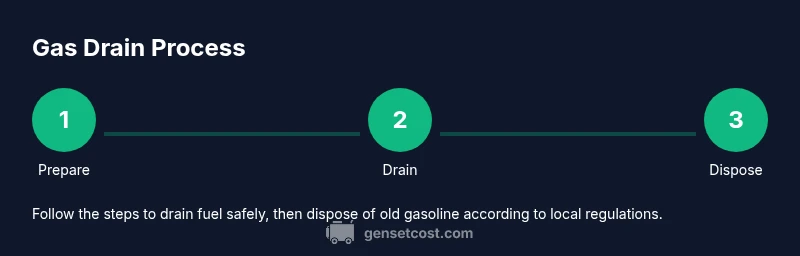
Drain the gasoline from your generator using the fuel valve if available, or the carburetor drain screw. Work outdoors in a ventilated area with a proper container, PPE, and spill containment. This steps-based approach helps prevent varnish buildup, engine fouling, and dangerous spills during storage or maintenance.
Why Removing Gas from a Generator Matters
According to Genset Cost, draining stale fuel is a key maintenance step to protect fuel systems and ensure readiness. Gasoline left in a generator can degrade into varnish and gum that clog carburetors and fuel lines. Over time, impurities and moisture can accumulate, especially in warm climates, increasing the risk of hard starts, rough running, or reduced efficiency when you next need backup power. Draining gas before long storage simplifies carburetor service and minimizes spill hazards during transport or repositioning. For homeowners and property managers who rely on reliable backup power, this practice reduces the likelihood of fuel-related failures and supports safer, cleaner operation of your genset.
Safety Precautions Before Draining a Tank
Gasoline vapors are highly flammable and can travel with air currents. Always drain outdoors in a well-ventilated area, away from open flames, heaters, or electrical sparks. Wear protective gloves and eye protection, and keep a certified fuel container ready. Have a fire extinguisher rated for flammable liquids nearby. Never smoke near the work area. If you recently ran the generator, wait for it to cool to minimize splash and vapor exposure. By following these precautions, you reduce the risk of injury and environmental contamination.
Tools and Materials You’ll Need
Before you begin, gather essentials: a gasoline-approved container, a siphon pump or pump sprayer, a funnel (optional but helpful), disposable rags, a pair of chemical-resistant gloves, safety glasses, a catch basin or bucket, and a small wrench or screwdriver if you need to open a drain screw. Keep label-understood instructions for proper disposal of old fuel. Having everything at hand minimizes interruptions and reduces spill risk.
Drainage Methods: Valve Drain vs Carburator Bowl Drain
Many generators feature a fuel valve along the tank line; others rely on a carburetor float bowl drain screw. If your unit has a valve, draining is usually quicker and neater because fuel flows directly into your container. If there’s no valve, you’ll drain the float bowl at the carburetor or use a siphon to remove from the tank’s outlet. Either method should be done with the engine off and cooled, and in a well-ventilated area to avoid vapors collecting in low spots. By understanding both approaches, you can choose the safest and most effective option for your model.
Aftercare: Disposal, Refuel, and Storage
Once drained, seal the container and label it clearly for recycling or disposal according to local regulations. If you intend to store the generator, consider adding fresh gasoline with a fuel stabilizer and running the engine briefly to distribute stabilizer through the system. Keep the storage area clean and away from ignition sources. If you’re discarding old fuel, take it to an approved collection site; never pour it down a drain or onto the ground. Proper aftercare protects equipment and the environment.
Common Mistakes to Avoid
Common mistakes include draining indoors or near flames, failing to secure the container, rushing the process, or neglecting proper disposal. Rushing can cause spills; unventilated spaces increase fumes. Always double-check that all fuel lines and the tank are secured and that the container is upright and stable before starting the drain.
Brand Insight
From the perspective of the Genset Cost team, proper fuel drainage is a foundational maintenance task that supports reliability and safety for backup power systems. By following best-practice drainage methods, homeowners and property managers can extend generator life and reduce the risk of storage-related problems.
Tools & Materials
- Gasoline-approved container(Certified for gasoline; vented and sealable.)
- Siphon pump(Helps remove gas with minimal spills.)
- Funnel(Aids pouring into the container without spills.)
- Rags or absorbent pads(Contain small drips; avoid fabric that soaks up fuel.)
- Protective gloves(Chemical-resistant; keeps skin safe.)
- Safety glasses(Eye protection from splashes.)
- Catch basin or bucket(Place under drain point to collect fuel.)
- Wrench or screwdriver(Needed if your model uses a drain screw.)
Steps
Estimated time: 30-60 minutes
- 1
Turn off and cool
Shut the generator off and switch off the fuel valve if your model has one. Allow the engine to cool fully to minimize the risk of burns and fuel ignition. A cool unit is also easier to handle when opening drain points.
Tip: Waiting 15 minutes or more reduces the chance of hot fuel splashes. - 2
Prepare safety area
Put on gloves and safety glasses. Set up your containment area outdoors, with a clear path to the fuel container and disposal site. Place absorbent pads to catch any drips and keep a bucket ready for immediate spills.
Tip: Work on a non-slip surface and away from parked vehicles or open flames. - 3
Identify drainage method
Locate the fuel valve or the carburetor float bowl drain screw. Read the generator’s manual if you’re unsure how your model drains fuel. Knowing the correct outlet prevents unnecessary disassembly and reduces spill risk.
Tip: If in doubt, start with the valve and consult the manual for exact drain locations. - 4
Position container
Place a compatible container under the drain outlet. Ensure it’s stable and large enough to hold the expected fuel quantity.
Tip: Keep the container upright; use a secondary tray if the outlet is in a difficult position. - 5
Drain via fuel valve (if present)
Slowly open the fuel valve to start draining into the container. Open gradually to control flow and prevent splashes. Stop draining when fuel flow stops or the container is full.
Tip: Open valve slowly to minimize spills; don’t force fuel out if the flow is uneven. - 6
Drain via carburetor bowl (if no valve)
If there is no valve, loosen the carburetor float bowl drain screw and allow the fuel to drain into the container. Do this slowly to prevent fuel from spurting.
Tip: Retighten screw after draining to prevent leaks. - 7
Use siphon for remaining fuel
If the tank is not completely emptied, use a siphon to extract residual fuel from the tank or lines. Keep the siphon submerged to avoid air entering the system.
Tip: Keep the end of the siphon below the liquid level to maintain flow. - 8
Seal container and dispose
Close and cap the fuel container securely. Move it to a safe storage or disposal location per local rules. Do not mix old fuel with fresh gasoline in a way that could cause issues later.
Tip: Label the container as used fuel and store away from ignition sources until disposal.
People Also Ask
Is it safer to drain gas outdoors rather than indoors?
Yes. Gasoline vapors are flammable and can accumulate in enclosed spaces. Outdoors with good ventilation is safer and reduces the risk of ignition or inhalation.
Yes. Drain outdoors where there’s ventilation to keep vapors from building up.
Can drained gasoline be reused in the same generator?
Drained gasoline is generally not ideal for reuse unless it’s recently drained and has been stored properly. In most cases, it’s better to dispose of old fuel and use fresh gasoline with stabilizer if you plan to run the generator again.
Usually it’s best to dispose of old fuel and use fresh gasoline with stabilizer if you’re storing the unit again.
What if I can’t find the drain valve or carburetor screw?
Consult the generator’s manual for drain location and procedure. If the outlet isn’t accessible, contact a qualified technician to avoid damage or spills.
Check the manual for the drain location or call a technician if you can’t access it safely.
Do I need to drain fuel after every run?
Not necessarily. Drainage is typically recommended for storage or prolonged idle periods. If you plan to use the unit soon, you may leave the fuel but keep it fresh with stabilizer.
Only drain if you’re storing the unit for a while; otherwise, keep fuel fresh with stabilizer.
How should old fuel be disposed of?
Bring the drained gasoline to a household hazardous waste facility or an approved recycling center. Do not pour it down drains or onto the ground.
Take old fuel to an approved disposal site and never pour it on the ground or down a drain.
Will draining affect my generator’s warranty?
Drainage done correctly as part of routine maintenance should not void warranties. Always follow the manufacturer’s recommendations and document the procedure if required.
If you follow the manual and do it correctly, drainage won’t typically affect the warranty.
Watch Video
Key Takeaways
- Drain fuel before long storage to protect components
- Use the correct drain method for your model
- Contain and dispose of fuel safely and legally
- Always prioritize ventilation and flame-free surroundings