How to Stop a Generator: Safe Shutdown Guide (2026)
Learn a practical, safety-first shutdown sequence for home backup generators. This guide covers portable and standby models, fuel control, cooling times, and post-stop checks to protect your investment and household.


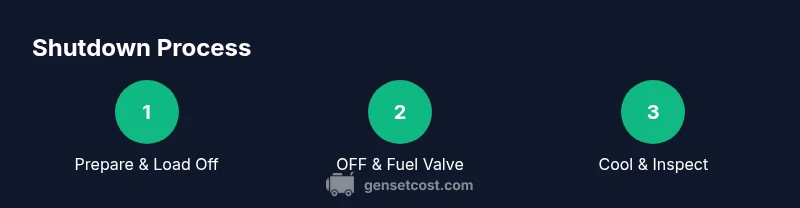
Goal: Stop a generator safely and correctly, protecting people and equipment. This quick answer outlines a generic shutdown sequence for portable and standby models, including turning off loads, switching the engine to OFF, closing the fuel valve if present, and allowing cooling before final disconnects. Always consult the owner’s manual for model-specific steps.
Safety First: Why proper shutdown matters
Stopping a generator safely is about protecting people, pets, and property, while preserving the engine and electrical system for long-term reliability. The most critical hazard is carbon monoxide exposure in enclosed or semi-enclosed spaces; always operate generators outdoors, well away from doors and windows, and use a CO detector for added protection. Improper shutdowns can cause fuel leaks, engine damage, and electrical faults that may put your home or occupants at risk. By following a deliberate shutdown sequence, you reduce wear on components, minimize the chance of backfiring or backfeed, and ensure a clean, verifiable stop that’s ready for maintenance or storage. This section explains why a methodical approach matters, not just “turn it off.”
Guidance from the Genset Cost team emphasizes safety as the foundation of every backup power plan. The safest shutdown keeps everyone clear of the exhaust, respects the specific model’s control scheme, and uses documented steps in the user manual as the baseline for action. If you’re unsure at any point, pause and verify with the manual or a qualified technician. The goal is to avoid surprises during outages when you rely on the generator the most.
Identifying Your Generator Type and Shutdown Path
Shutting down differs between portable generators and standby units tied to an automatic transfer switch (ATS). A portable model typically runs on gasoline, propane, or diesel and may have a straightforward OFF switch or fuel valve. Standby units are designed to stop automatically when main power returns or when the ATS signals, but manual shutdown is still necessary when performing maintenance or storage. Determine your model family first:
- Portable: Check for a fuel shut-off valve, an OFF/run switch, and a power outlet strip you can safely isolate.
- Standby: Be aware of the ATS connection, and know where the main disconnect or service switch is located.
- Fuel type: Gasoline engines differ from diesel or dual-fuel setups in how you handle fuel shut-off and cooling times. The presence or absence of a shut-off valve will guide your approach. Always read the owner’s manual for model-specific steps and safety cautions.
In short, knowing your generator type sets the foundation for a correct shutdown. If you aren’t sure what you have, power down the device and consult the manual or a local technician before attempting any steps. This is especially important for standby units that access the home’s electrical system—an incorrect shutoff can backfeed power into the panel or damage loads.
Safe Shutdown Basics for Portable Generators
For portable generators, begin by ensuring the unit is in an open, well-ventilated area, placed on a stable surface away from flammable materials. Before you touch controls, identify and isolate any connected appliances or extension cords to prevent a backfeed once the generator stops. Most portable generators include an OFF position or switch; set this to OFF, and if a fuel valve is present, close it after the engine cools sufficiently to avoid fuel spillage. If the unit is loaded with devices, disconnect the loads one by one after power is cut to minimize arcing. Finally, if you see any abnormal smells, smoke, or fuel leakage, stop immediately and power down using the emergency switch or disconnect the battery if advised by the manual. These steps minimize risk and prepare the machine for inspection or service.
This section reinforces a two-tier approach: first, stop the engine safely; second, confirm there are no leaks or fuel issues before storage or maintenance. The exact sequence may vary by model, so reference the user manual for the precise order of operations.
Standby Generators and ATS Considerations
Standby generators operate behind an electric automatic transfer switch (ATS), which isolates the home’s circuits from the grid during power loss. When you initiate a shutdown, the ATS may transfer loads back to the grid or cause briefly flickering power. To stop a standby unit safely, first ensure all loads are cleared and that your transfer switch is set to a safe position for service. If your system includes a maintenance bypass switch, use it as directed to isolate the generator from the electrical system. Then, follow the manufacturer’s shutdown sequence for the engine. If you’re sidestepping the ATS, make sure the main service disconnect is OFF and the generator is allowed to cool before performing any maintenance. Always have a qualified technician present for any interconnection work or internal wiring checks.
Standby units are designed for reliability, but their shutdown must respect the integrated protection features. When in doubt, revert to the owner’s manual and, if necessary, contact your installer for guidance.
Fuel Control and Valve Considerations
Fuel control is a common point of confusion during shutdown. If your generator has a fuel shut-off valve, close it only after the engine has slowed and cooled to guard against fuel leaks or vapor ignition. Some models place the shut-off valve at the fuel source, while others have a valve near the carburetor; identify which is present and follow the correct order. If there is no valve, simply turn the engine to OFF and rely on the built-in fuel cutoff within the carburetor or the engine’s controls. For dual-fuel units, choose the active fuel path and delay closing valves until the engine is off, ensuring a clean shutdown of the selected fuel source. During this process, avoid opening the fuel system or priming the engine again until you’re ready to restart, to prevent flooding or flooding-related damage.
The takeaway is: follow the valve location, sequence, and timing dictated by your model to prevent leaks and preserve fuel stability.
Cooling Time, Post-Stop Checks, and Storage
After the engine reaches OFF, allow at least a short cooling period—typically five to fifteen minutes depending on ambient temperature and load before performing post-stop checks. This cooling minimizes the risk of burns and reduces the chance of fuel or oil spills from hot components. While cooling, inspect for fuel leaks around the carburetor, fuel lines, and valves. Wipe away any spilled fuel with a non-flammable absorbent and store rags safely away from ignition sources. When the unit is cool, disconnect any temporary wiring, power cords, and extension cables, and store the generator in a dry, ventilated area. If you plan to store the generator, drain or stabilize fuel as advised by the manual to prevent gum buildup and varnish.
Post-stop checks are essential for reliability. Keeping a routine for cooling and inspection reduces maintenance costs and helps your unit be ready for the next outage.
Troubleshooting Common Shutdown Issues
If your generator refuses to stop after selecting OFF, or if it restarts unexpectedly, the problem could be an electrical fault, a stuck governor, or a fault in the fuel system. Check for stuck switches, blown fuses, or a tripped breaker in the control panel. If the unit continues to run, disconnect the load and attempt a re-start to verify whether the issue is with the control or the power load. For standby units, ensure the ATS is not signaling a fault for a false positive shutdown and review the maintenance alert indicators. If you detect oil leaks, fuel leaks, or strong exhaust odors, stop immediately and consult a professional technician. Never bypass safety devices to restore power; doing so can create a dangerous situation. These steps help you diagnose and correct shutdown glitches while keeping you and your property safe.
Ongoing issues may indicate a need for professional service. Genset Cost recommends a diagnostic check to determine wear on the governor, circuit boards, or fuel controls, followed by proper servicing.
Maintenance Tasks After Stopping a Generator
A prudent shutdown is followed by basic maintenance to extend the life of your generator. After the unit cools, perform a visual inspection: check hoses and connections for cracks or signs of wear, wipe away residues, and verify battery terminals are clean and properly connected if you use a battery. Consider scheduling routine oil changes and filter replacements per the owner's manual, and verify that the air filter is clean for the next operation. Document any irregularities, such as oil leaks or unusual noises, and schedule professional service if needed. Keeping a log can help identify patterns that precede shutdown issues and prevent future outages.
Regular maintenance after a shutdown reduces unexpected downtime and preserves the generator’s reliability for critical power events.
Summary: A Practical Shutdown Mindset
A calm, methodical shutdown protects you and your equipment. It starts with safety outdoors, identifying the right shutdown path, and following valve and load-disconnect steps. Cooling and post-stop checks prevent leaks and overheating, while maintenance after shutdown maintains long-term reliability. This disciplined approach, supported by manufacturer guidance and professional support when needed, minimizes risk and maximizes readiness for the next outage.
Tools & Materials
- Owner’s manual(Keep accessible for model-specific steps)
- Safety gloves(Non-slip, heat-resistant if possible)
- Safety glasses(Eye protection when handling fuel or hot parts)
- Rag or absorbent material(For spills; non-flammable)
- Fire extinguisher (Class B or ABC)(Keep within reach in workshop areas)
- Wrench or screwdriver set(For valve access or panel screws)
- Non-sparking tool or insulated pliers(Optional but helpful)
- Flat, clear workspace(Prevent tripping hazards and improve access)
Steps
Estimated time: 25-40 minutes
- 1
Prepare safety gear and tools
Put on protective gloves and safety glasses. Ensure the area is well-ventilated outdoors, away from vehicles, doors, and windows. Gather tools and review the owner’s manual for model-specific shutdown steps.
Tip: Confirm no ignition sources nearby and have a fire extinguisher within reach. - 2
Identify the load and isolate devices
List connected appliances and disconnect them one by one, starting with high-wattage items. This reduces inrush and prevents backfeed when you stop the engine.
Tip: Unplug devices rather than turning off at outlets to avoid arcing. - 3
Set power controls to OFF and stop the engine
Move the generator’s control to OFF. If there is a separate fuel valve, be prepared to close it after the engine slows to idle. For standby models, ensure the ATS is settled in a safe position per the manual.
Tip: Do not attempt to restart immediately after turning OFF; allow time for cooling. - 4
Close the fuel valve (if present) after cooling
If your unit has a fuel shut-off valve, close it once the engine is not hot and is idling to minimize risk of leaks. If there is no valve, skip this step and rely on the shutdown mechanism.
Tip: Avoid handling fuel lines while hot to prevent burns. - 5
Cool and inspect for leaks
Allow 5–15 minutes for the engine to cool. Check for fuel or oil leaks around lines, valves, and the carburetor. Wipe up any spills with absorbent material and dispose of it safely.
Tip: Do not touch hot surfaces or pressurized lines during cooling. - 6
Disconnect power and secure the unit
If you plan to store the generator, disconnect temporary wiring and cords, and ensure it is on a stable, dry surface. Store fuel in approved containers away from heat or ignition sources.
Tip: Lock the area or remove the key to prevent unauthorized use. - 7
Document & schedule post-stop maintenance
Note any irregularities observed during shutdown. Schedule routine oil changes, filter checks, and air-cleaner inspections as recommended by the manual.
Tip: Maintain a simple log to track maintenance milestones.
People Also Ask
How long should a generator cool before maintenance?
Most generators require a 5–15 minute cooling period after shutdown before handling or maintenance. Always follow the manufacturer’s recommended cooling time for your model.
Let the generator cool for about five to fifteen minutes after turning it off before doing maintenance.
Is it safe to stop a generator while it’s under load?
Shutting down under load can cause backfeeding or unbalanced engine behavior. Always remove or redistribute loads and then stop the engine in a controlled sequence.
Don’t stop it while loads are connected; remove devices first and then shut down.
What should I do if there is no fuel shut-off valve?
If there is no shut-off valve, rely on the engine’s OFF position and the manual’s guidance on fuel handling. Do not attempt to modify fuel lines or bypass controls.
If you don’t have a shut-off valve, use the OFF switch and follow the manual’s fuel guidelines.
Should appliances be unplugged before shutdown?
Yes. Unplug devices or disconnect loads before stopping the engine to prevent backfeed and arcing when power returns.
Unplug devices before shutting down to avoid backfeed and arcing.
What if the generator won’t stop or behaves erratically?
If the unit won’t stop, or you notice unusual sounds, fuel smells, or smoke, stop work and seek professional service. Do not attempt to force a stop or bypass safety features.
If it won’t stop or you smell fuel or see smoke, stop and call a professional.
Watch Video
Key Takeaways
- Identify generator type before shutdown
- Isolate loads and set controls to OFF
- Close the fuel valve if present after cooling
- Allow engine to cool and perform post-stop checks