Generator Size for Camper: How to Size and Install for Reliable RV Power
Learn how to size a camper generator to power essentials reliably. This guide covers load planning, sizing ranges, installation basics, fuel options, and maintenance tips for RV power safety and efficiency.


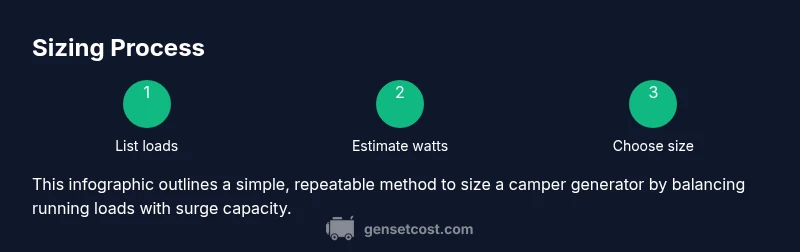
By sizing your camper generator correctly, you ensure reliable power for essentials without overloading circuits. This guide shows how to list loads, estimate running and surge needs, and pick a generator size that matches your needs. You’ll also learn installation basics, fuel options, and tips to keep power efficient on the road.
Why size matters for camper power
Your camper's electrical system acts like a compact power plant on wheels. The wrong generator size can lead to tripped breakers, dim or unstable lighting, and stressed appliances that wear out faster. A unit that's too small will struggle to meet common needs when you cook, heat, or run air conditioning, forcing the system to run at the edge of its capacity. Conversely, an oversized generator wastes fuel, creates unnecessary noise, and adds weight and installation costs. For homeowners and property managers evaluating camper power options, the right size balances dependable electricity with efficiency and long-term value. According to Genset Cost, sizing should reflect real, recurring loads rather than rare peak moments. Consider continuous load plus a safety margin for startup surges, and plan for how frequently high-wattage devices will run together. The goal is smooth operation with moderate fuel burn and comfortable reserve capacity.
Understand your load: appliances and priorities
Begin with a complete list of devices you intend to run simultaneously and classify them by priority: essential (refrigerator, CO detector, medical devices), comfort (space heater, fans), and convenience (TV, chargers). Note typical runtimes and cycling behavior; some items like refrigerators cycle on and off, while lights are generally on for longer periods. Seasonal items, such as space heaters in winter or portable air conditioners in summer, should also be included. After listing everything, sum the items that are almost always on at the same time to form a realistic running load. This step prevents under-sizing or over-sizing and sets the stage for a practical sizing target. A thorough load assessment also helps you identify opportunities to consolidate or stagger usage to stay within your planned generator rating.
A practical method to estimate running watts without a meter
If you don’t have a watt-meter handy, you can still arrive at a credible running-watts target. Assign approximate wattage to each item based on its category: basic lighting and fans are lower-load, while the fridge, water heater, and climate-control devices are higher. Add the running watts for items that will be active most of the time, then leave room for startup surges when several large appliances could start at once. For more precision, you can borrow a portable watt-meter or use a clamp-on device around the main service line to capture real-time draw during normal operation. This approach yields a solid running-watts target you can translate into a generator rating and compare across models.
Translating load into a generator size range
Once you have a believable running-watts target, choose a generator whose continuous (running) rating covers that load with a comfortable margin. Also verify the unit’s peak or surge rating can handle startup spikes when one or two large appliances start together. Avoid models that barely meet your running load, as automatic overloads will occur and shorten the generator’s life. In practice, aim for a size that keeps the running load well under capacity while leaving reserve headroom for seasonal changes in usage. When in doubt, select a model slightly larger than your running-load estimate to ensure stable performance.
Cooling, heating, and high-draw appliances
Air conditioning and space heating are among the most demanding camper loads. A small AC unit can dominate the power budget, especially on hot days or in poorly insulated rigs, while space heaters can spike demand dramatically. If you rely heavily on climate control, plan for a generator size that can sustain continuous operation of the cooling or heating system without hitting limits. If you don’t run climate control continuously, you can size slightly smaller and use battery or passive cooling strategies during milder weather. Remember to account for any other high-draw devices that may run concurrently with climate control, and ensure the generator can handle occasional simultaneous starts.
Fuel choices, runtimes, and environmental considerations
Fuel type influences runtime, availability, and noise. Gasoline generators are common and versatile, while propane can offer cleaner operation and easier storage. Diesel models tend to be durable but heavier and noisier. Consider fuel availability at your typical travel locations, refueling logistics, and storage safety. Run time depends on load and fuel capacity; higher loads deplete fuel faster, so plan for refueling opportunities and a practical operating window. Also weigh noise and emissions regulations at campsites and parks. A properly sized generator balances acceptable noise with sufficient power to keep essential systems running.
Safe installation and maintenance planning
Sizing the generator is only part of the job; safe installation matters just as much. A transfer switch or power transfer method is recommended to avoid backfeeding into the grid and to simplify switching between shore power and generator power. Ensure wiring, outlets, and grounding comply with electrical codes, and use outdoor-rated cords with appropriate gauge for your load. Routine maintenance—oil changes, filter checks, and carburetor cleanings—extends life and keeps performance predictable. If you’re unsure about any installation step, hire a qualified electrician or RV technician. Routine inspections and adherence to manufacturer guidelines help keep you safe on the road.
Quick-start sizing checklist you can use today
- List all devices and classify by priority (essential, comfort, convenience).
- Estimate running loads and consider startup surges for high-draw appliances.
- Compare running-load targets to generator continuous ratings with a comfortable margin.
- Verify that the peak/surge rating can handle simultaneous starts.
- Plan for fuel type, refueling logistics, and storage safety.
- Include ventilation and noise considerations in campsite selection and setup.
- Schedule a professional review for complex installations or uncertain results.
Tools & Materials
- Watt meter (e.g., Kill A Watt or similar)(Measure running loads and surges for common camper appliances)
- Load list template(Document every device and assign a rough wattage category)
- Notebook and pen(Record device names, loads, timings, and any observations)
- Calculator or calculator app(Perform simple sums and create a running-total target)
- Safety gloves(For handling electrical components and connections)
- Non-conductive footwear(Reduces risk when working around live circuits)
Steps
Estimated time: 2-4 hours
- 1
Create a master load list
Begin by listing every device you intend to run in the camper. Note whether each item is essential, comfort-related, or a convenience feature. Record typical operating time for each item and whether it runs continuously or cycles on and off. This foundation guides the entire sizing process.
Tip: Start with the fridge, lights, fans, and climate control as anchor loads; you can add discretionary items later. - 2
Identify startup and running patterns
For each item, note whether it has a soft start, a sharp startup, or a cycling pattern. A few large devices starting at the same time will create a startup surge that your generator must handle. Understanding these patterns helps you avoid selecting a model that only fits steady-state loads.
Tip: Group high-draw items to visualize worst-case startup scenarios. - 3
Estimate running watts using categories
Assign approximate running watts to each item based on its category (low for lights, medium for fans, high for climate control and major appliances). Sum the running watts of items that will be on most of the time. This creates a credible running-load target to compare against generator specifications.
Tip: Use your watt meter to validate assumptions when possible. - 4
Add a margin for surges and future needs
Ensure your target running load leaves room for startup surges and potential future additions. A comfortable margin helps keep the unit running smoothly without excessive idle time. Avoid a model that is almost at capacity during typical use.
Tip: If in doubt, opt for a slightly larger continuous rating rather than a much larger peak rating. - 5
Choose a size range and compare models
Select a generator with a continuous (running) rating that covers your running-load target plus margin, and verify the surge rating supports your startup scenario. Compare models for fuel type, noise levels, and installation ease. Shortlist two or three options that meet your criteria.
Tip: Check if the model supports dual-fuel operation if you want flexibility. - 6
Plan the installation and safety steps
Outline the electrical setup, including transfer-switch options, outlets, and grounding. Decide whether you will handle installation yourself or hire a licensed technician. Consider ventilation, exhaust routing, and storage for fuel or batteries to ensure safety and reliability.
Tip: Never bypass safety features or modify factory wiring; improper installation is a major risk. - 7
Validate with a professional and schedule maintenance
Have a qualified technician review the final sizing and installation. Establish a maintenance routine that includes oil changes, air-filter checks, and system tests. Regular checks help maintain performance and extend the generator’s life.
Tip: Keep a maintenance log and set reminders for fuel and oil changes.
People Also Ask
How do I calculate generator size for a camper?
Start by listing all devices, assign running watts, and identify startup surges. Add a comfortable margin above the running load, then compare models by continuous and surge ratings. Consider installation requirements and fuel options.
Begin with a load list, estimate running and startup needs, and choose a model with enough running capacity and surge power.
Can I run an air conditioner from a camper generator?
Yes, but you need a generator with enough continuous output to support the AC’s running load and a surge rating for startup. Climate control is often the largest draw, so size accordingly and verify electrical safety features.
An air conditioner can run on a camper generator if the unit has sufficient continuous and surge ratings.
What’s the difference between continuous and peak watts?
Continuous watts are the steady power the generator can provide during normal operation. Peak watts (surge) are higher, used for startup of certain appliances. Ensure the continuous rating covers your running load and the peak rating handles startup surges.
Continuous is the steady power, peak is the startup power.
Is a propane or gasoline generator better for campers?
Propane offers clean operation and easy storage, while gasoline is widely available and often cheaper. Diesel models tend to be durable but heavier. Your choice depends on fuel accessibility, storage space, and noise considerations.
Propane is clean and easy to store; gasoline is common, diesel is durable but heavier.
How important is the startup surge when sizing a camper generator?
Startup surge is critical because several devices can demand power at once. A model with an adequate surge rating prevents nuisance trips and ensures smooth operation.
Startup surge matters because multiple devices can demand power at once.
Watch Video
Key Takeaways
- Size the generator to meet running loads with a safe margin.
- Account for startup surges and seasonal usage changes.
- Plan installation with proper safety and professional guidance.
- Regular maintenance extends generator life and reliability.