Electric Generator Costs and Sizing for Home Depot Buyers
Compare generator costs, sizing, and installation options from Home Depot. This Genset Cost guide helps homeowners estimate upfront investment and plan a safe, compliant backup power system.


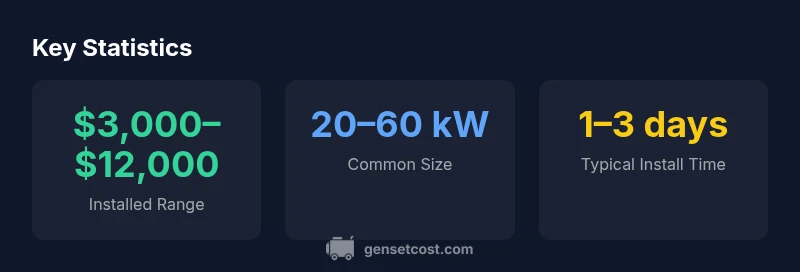
For homeowners shopping at Home Depot, a typical installed backup generator falls in the $3,000–$12,000 range. The price varies by generator size (20–60 kW), fuel type (gasoline vs. propane vs. natural gas), transfer switch complexity, and site preparation. This quick snapshot helps frame your upfront investment before formal quotes. Include permit and labor considerations in your planning.
Understanding the Home Depot Buying Path for Electric Generators
According to the Genset Cost team, shopping for an electric generator through Home Depot combines broad product selection with installation services and support. When you search for electric generator home depot options, you’ll encounter a mix of standby units, portable models, and contractor-assisted installation. Home Depot’s team often coordinates with licensed electricians and electrical contractors to deliver a turnkey experience, from initial selection to final commissioning. The goal is to give homeowners a practical, one-stop path to backup power without needing to navigate multiple vendors. As you compare models, consider not only the sticker price but also installation costs, fuel availability, and the reliability of the service network in your area. This approach aligns with the practical, data-driven guidance you’d expect from Genset Cost.
Sizing Your Home Backup: How to Determine Needed Power
Sizing is about preventing overloads and ensuring essential loads stay powered during outages. Start by listing critical circuits (refrigeration, heating or cooling, well pump, sump pump, lights, and a few outlets in key rooms). Add up their running wattage and peak surges to estimate the minimum generator size. For many homes, a 20–60 kW range covers typical essential loads, but regional climate, number of occupants, and appliance age affect the final choice. Use a safety margin to accommodate future loads or adding a few devices later. Don’t forget to plan for the automatic transfer switch (ATS) or manual transfer operations, since that choice directly impacts the effective available power and safety. Working with an installer who can do a clear load analysis ensures you avoid oversizing or undersizing the system, a common pitfall in DIY planning.
Fuel, Emissions, and Reliability: Gasoline vs Natural Gas vs Propane
Fuel type matters for reliability, storage, and ongoing costs. Gasoline models are common but require regular refueling and can experience issues in prolonged outages. Propane offers clean combustion and easier storage but may demand a larger tank and more complex supply planning. Natural gas-powered generators provide consistent fuel if you have a reliable gas line, often enabling easier long-term operation, though a conversion or connection may be required. In all cases, verify fuel supply continuity for your climate, and consider environmental and local regulations on emissions and fuel storage. A robust backup plan weighs fuel access, storage safety, and the availability of service networks in your region.
Installation Realities: Transfer Switches, Permits, and Labor
Installation is where planning becomes practical. An automatic transfer switch (ATS) allows a generator to take over seamlessly during an outage, while a manual switch requires user initiation. ATS configurations can affect cost and complexity, especially for larger homes with multiple circuits. Permits are typically required and vary by jurisdiction; a qualified installer usually coordinates permit submission, utility coordination, and any trenching or electrical work. Labor costs are a meaningful portion of the total price and depend on site access, existing electrical panels, and whether you need enhancements like a dedicated generator pad or weatherproof enclosure. Home Depot installation offerings often bundle assessment, procurement, and commissioning, but confirm what’s included in your area to avoid surprises.
Maintenance and Longevity: Keeping Your Generator Ready
A standing generator requires regular maintenance to operate reliably when the grid fails. Routine tasks include oil changes, filter replacements, and battery checks, with more comprehensive service at scheduled intervals. Exercise cycles—running the unit under load for a short period—help prevent engine seizing and ensure proper fuel system operation. Premium warranties or maintenance plans can lower long-term risk and ensure that service is available close to home. Adopting a proactive maintenance schedule reduces unexpected downtime and protects your investment over the expected life of the equipment.
What to Compare: Warranty, Service, and Total Cost of Ownership
When evaluating options from Home Depot, compare warranties that cover parts, labor, and battery condition, along with the dealer’s service availability. Total cost of ownership (TCO) includes purchase price, installation, fuel costs, routine maintenance, and potential insurance implications. Look for programs that bundle maintenance or extended warranty coverage, and verify whether service is accessible year-round in your region. For homeowners, a clear TCO picture helps prevent sticker-shock when quotes are delivered and supports smarter, long-term decisions about back-up power investments.
Financing and Incentives: Financing Options and Potential Rebates
Financing is a practical path to acquiring a generator without a large upfront outlay. Many retailers, including Home Depot, offer financing or rent-to-own options, subject to credit approval. In some regions, local incentives or utility programs may support standby generator installations, particularly if the system helps stabilize grid reliability or integrates with demand response. Always consult your installer about eligibility, application timelines, and any required documentation. Our approach at Genset Cost emphasizes understanding all available funding to minimize out-of-pocket costs and maximize long-term ROI.
How Genset Cost Analyzes Home Depot Options (Methodology)
Our cost estimates synthesize multiple data sources, including manufacturer pricing, typical labor charges, and proven installation requirements. We balance model variety with real-world constraints such as permitting, site access, and local code expectations. The result is a defensible range that aligns with what a homeowner can realistically expect to pay when purchasing through Home Depot. We encourage readers to use these ranges as planning anchors and then obtain formal quotes from licensed installers to determine the exact figures for their property.
Comparison of common home backup generator types and installed costs.
| Model Type | Typical Size (kW) | Fuel Type | Estimated Installed Cost Range | Common Use |
|---|---|---|---|---|
| Residential standby (air-cooled) | 8–20 | Gasoline/Propane | $3,000–$9,500 | Backup essential circuits |
| Residential standby (air-cooled or multi-fuel) | 20–60 | Natural gas/Propane | $7,500–$12,000 | Whole-home backup |
| Large standby | 60–125 | Natural gas | $9,000–$18,000 | High load centers |
| Portable generator | 0.5–3 | Gasoline/Propane | $300–$1,500 | Temporary power |
People Also Ask
What should I consider when buying an electric generator from Home Depot?
Consider size, fuel type, and transfer switch options. Compare Home Depot's installation offerings with independent installers, and verify warranties and service coverage in your area. Plan for permits and maintenance access as part of total cost.
Consider size, fuel type, and transfer switches, plus installation and warranty coverage when buying from Home Depot.
Is it cheaper to buy from Home Depot or a specialized generator dealer?
Prices vary by model and installation scope. Home Depot can offer bundled options and nationwide service networks, while specialized dealers may provide deeper expertise and more customized after-sales support. Always compare quotes for hardware, labor, and warranty terms.
Prices vary; compare quotes for hardware, labor, and warranties between Home Depot and specialist dealers.
Do Home Depot installation services include transfer switches?
In many markets, installation services include a transfer switch option, but availability varies by location. Confirm whether an automatic or manual transfer switch is offered and what the installation covers before you commit.
Check if automatic or manual transfer switches are included with installation in your area.
What permits are needed for installation?
Local electrical or building permits are typically required. Your installer will often coordinate submission and inspections. Permit timelines vary by jurisdiction, so plan accordingly.
Permits are usually required; your installer can handle coordination and inspections.
What maintenance is required for standby generators?
Regular oil changes, filter replacements, and battery checks are essential. Monthly exercise cycles help prevent engine seizure. Schedule professional service at recommended intervals to extend life and reliability.
Keep up with oil changes, filters, and periodic service to stay reliable.
How long does installation typically take?
Most residential installations take 1–3 days, depending on site access, electrical panel work, and permitting. Some projects may extend if trenching or concrete work is needed.
Typical installs take 1–3 days, with variations for permits or site work.
“Choosing a generator isn't just about upfront price; you must size the system for your critical loads and plan for a proper transfer switch.”
Key Takeaways
- Define your essential loads before sizing.
- Expect higher install costs with labor and transfer switches.
- Factor fuel availability and storage into ongoing costs.
- Compare warranties and maintenance plans before purchasing.
- Work with a licensed installer for safety and compliance.