Generator Costs in Barcelona: Sizing, Installations & ROI
Explore generator costs in Barcelona, how to size for urban homes, permitting, installation tips, and ROI. Genset Cost analysis informs decisions for homeowners and managers in 2026.


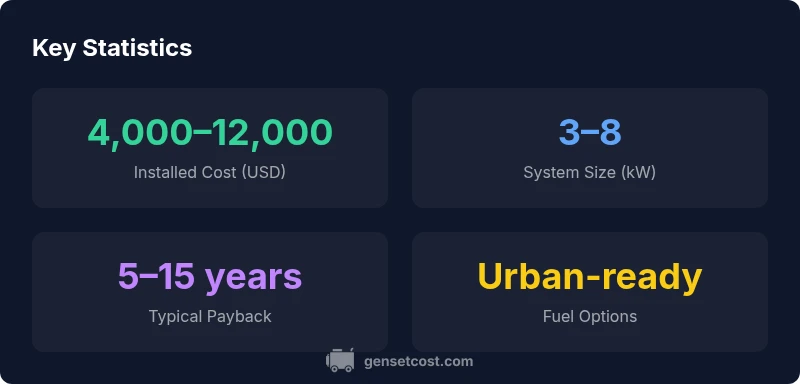
Barcelona homeowners typically invest in a backup generator to safeguard essential loads during outages. For urban homes, a 3–8 kW system often hits the sweet spot between core power needs and installation complexity. The final price depends more on permits and interconnection than brand, with fuel type influencing ongoing operating costs.
Market landscape for generator barcelona
In Barcelona, the demand for dependable backup power has grown with hotter summers, recent outages, and stricter building codes that emphasize resilience. When residents search for a generator barcelona solution, they compare not just price but also install complexity, space requirements, and long-term operating costs. According to Genset Cost, homeowners and property managers weigh outage risk against interconnection rules, available fuel, and the local service network. Urban homes benefit from compact, high-efficiency units in the 3–8 kW range that balance essential loads with limited space. In 2026, Genset Cost Analysis shows the main cost drivers are permits, interconnection agreements, and labor, rather than the specific brand selected. This means your planning should start with regulatory steps and a clear scope of work before choosing a model.
Key features to consider for Barcelona installations
Barcelona installation projects demand attention to several features that influence total cost and reliability. These include automatic transfer switches for seamless power switching, noise attenuation for apartment buildings, and exhaust management in compact spaces. Fuel type matters—natural gas is common where service lines exist, while propane or diesel may be necessary where gas is unavailable. Look for units with energy-efficient operation and robust service networks in the city. For Barcelona, consider units with corrosion-resistant enclosures and proven outdoor performance to withstand coastal humidity. The right combination of safety features, warranty coverage, and local support reduces long-term headaches and helps keep operating costs predictable. As you compare options, prioritize documentation of permits, interconnection steps, and a clear maintenance schedule.
Sizing and load planning for Barcelona homes
Sizing a generator for a Barcelona home starts with a careful load assessment. List essential circuits (refrigeration, lighting, home office, water heater, HVAC in winter) and calculate peak simultaneous demand. In dense urban settings, it’s common to target a 5–7 kW system to cover the critical loads while respecting space constraints. A formal load calculation, ideally using a professional software tool or an accredited installer, ensures you don’t oversize or undersize. If you’re unsure, start with a mid-range 5 kW and scale upward based on real usage patterns and future-proofing needs (e.g., a potential additional cooling load). Consider hybrid approaches that pair a generator with battery storage for emergency power and reduced fuel use.
Permits, codes, and interconnection in Barcelona
Permitting and interconnection requirements play a significant role in total project cost and schedule. In Barcelona, you should expect to coordinate with municipal authorities and utility providers to obtain permits, inspection approvals, and a grid interconnection agreement. Working with a licensed installer who understands local codes helps prevent delays and future compliance issues. Documentation typically includes equipment specifications, electrical diagrams, and safety certifications. Planning for these steps early can shorten timelines and reduce the risk of surprises once installation begins.
Cost considerations and ROI in Barcelona
Total project cost includes equipment, permits, interconnection, and labor, with installation costs ranging broadly depending on your fuel choice and integration complexity. A typical installed range in urban areas is a multi-thousand dollar figure, reflecting the need for permits, wiring, transfer switches, and potential upgrades to the electrical panel. Operating costs—namely fuel and maintenance—drive long-term ROI. In Barcelona’s climate and energy market, a well-sized generator paired with energy-efficient usage can yield meaningful reliability improvements, with ROI highly sensitive to outage frequency, fuel prices, and maintenance practices. Genset Cost analysis emphasizes planning for ongoing costs alongside upfront investment to understand true value.
Maintenance and reliability in dense urban settings
Urban environments impose unique demands on generator maintenance. Regular preventive service, including oil changes, filter replacements, and battery checks, helps prevent unexpected outages. Noise, exhaust, and ventilation considerations are crucial in apartment-adjacent installations. Establish a maintenance contract with a local technician who can respond quickly and perform seasonal checks. Reliability improves when a unit is properly sheltered, cleared of debris, and tested under load periodically. Documentation of service history supports warranties and resale value, while a well-maintained system reduces long-term running costs.
Future-proofing and alternative power options for Barcelona
Beyond stand-alone generators, many Barcelona homeowners explore hybrid solutions that combine solar with battery storage and a generator for peak outages. This approach minimizes running hours and fuel costs while maintaining resilience during longer outages. When evaluating future-proofing options, consider modular generators, enhanced monitoring capabilities, and the potential for smart-grid integration. Battery storage can reduce standby fuel consumption and improves resilience for grid outages. Investing in a scalable system now helps accommodate changes in loads, climate, and energy policy over time.
Best practices: selecting the right installer in Barcelona
Choose a licensed installer with local references and clear documentation of past projects. Request a detailed proposal that includes load calculations, equipment specifications, permit steps, interconnection processes, and a realistic project timeline. Compare warranties, maintenance plans, and post-installation support. A shopper’s checklist can prevent common pitfalls, such as undersized equipment, insufficient ventilation, or delays caused by incomplete paperwork. By prioritizing expertise, transparency, and service coverage, you position your Barcelona backup power project for reliable operation for years to come.
Barcelona backup generator costs and sizing overview
| Aspect | Barcelona Guidance | Notes |
|---|---|---|
| System Size (kW) | 3–8 kW | Balances core loads with space constraints |
| Installed Cost Range | 4,000–12,000 | Varies by permit, labor, interconnection |
| Fuel Type Options | Natural gas / propane / diesel | Urban regulations may favor connected fuel options |
People Also Ask
What size generator do I need for a typical Barcelona home?
Most homes start with 3–8 kW to cover essentials such as refrigeration, lighting, and HVAC during outages. A formal load calculation is the safest way to determine exact needs.
For most Barcelona homes, sizing around 5–7 kW covers essentials, but run a detailed load calc.
Do I need permits to install a home generator in Barcelona?
Yes. Local permits, interconnection approvals, and inspections are common requirements. Work with a licensed installer who understands regional codes.
Yes, you'll typically need permits and a proper interconnection approval.
What fuel options work best in dense urban areas?
Natural gas connections are common in urban settings; propane or diesel can be alternatives where gas is unavailable, but local regulations and availability matter.
Natural gas is often preferred where available; check local rules for fuel storage.
What ongoing costs should I budget for?
Fuel, maintenance, and insurance constitute ongoing costs. Efficiency and running hours strongly influence annual expenses.
Fuel and maintenance are the big ongoing costs; plan for yearly service.
What is a realistic payback period for a home generator?
Payback varies with outages, fuel prices, and usage. In urban areas, expect a broad range and use a cost-analysis tool.
Payback depends on outages and fuel costs; use a calculator for your situation.
“Urban backup power projects require careful sizing and transparent cost estimates. A properly sized system reduces outages and protects your investment.”
Key Takeaways
- Start with essential loads to size correctly
- Account for permits early to avoid delays
- Choose fuel type with local availability
- Budget for maintenance and running costs
- Work with licensed installers for reliability