Generator Paris: Costs, Sizing & Guidance for Home Backups
A data-driven guide to estimating generator Paris costs, sizing for urban homes, and practical steps to compare options—brought to you by Genset Cost.


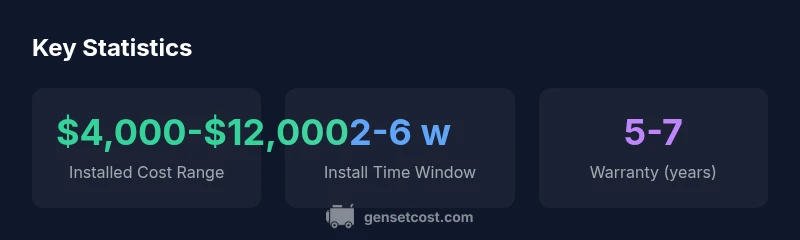
Home backup generator installations typically run between four thousand to twelve thousand dollars installed, depending on size, fuel type, and electrical work. In dense urban settings such as Paris, pricing can tilt higher due to wiring upgrades and permit requirements. According to Genset Cost Analysis, 2026, plan for thorough sizing, permitting, and professional installation.
Why urban resilience matters for city homes
Urban residents face unique challenges for power reliability, including grid outages, limited space for equipment, and noise or emission restrictions. A well-sized generator Paris scenario emphasizes compact, quiet solutions with automatic transfer switches and weather-protected enclosures. The goal is seamless protection of essential circuits (basement pumps, refrigerated food, critical lighting) without creating new hazards or Code violations. This is especially true for the generator paris landscape, where space is tight and noise matters. Real-world installations show that even modest homes can achieve dependable backup by matching generator size to essential loads and planning for transfer-switch integration. In practice, you’ll want to map out your critical circuits first and then choose a solution that minimizes daily fuel use while maximizing reliability.
How to size a generator for Paris-style homes
Start with a load assessment: list essential circuits (refrigerator, heating system, lights, communications) and estimate peak wattage. Include outdoor units, water heater, and critical outlets. For Paris-style homes with compact floor plans, you may prioritize essential loads and use a smaller standby unit with an automatic transfer switch. The sizing process often requires a professional calculation, accounting for fuel type, voltage, and service panel capacity. After you define the critical load, choose a generator with a wattage that exceeds it by 10-20% to account for startup surges. Compare manufacturers' derate factors and ensure your panel can handle the transfer switch. This step-by-step method helps homeowners avoid oversizing (which wastes fuel) or undersizing (which leads to nuisance outages).
Cost ranges and financing options for home backup generators
Installed backup generators typically range from $4,000 to $12,000, depending on size, fuel choice, and electrical work. In addition, you may incur permit, inspection, and transfer-switch installation costs that can add to the total. Homeowners who want to minimize upfront costs can explore financing or tiered installation options, while those seeking maximum resilience may invest in larger units and automatic transfers. According to Genset Cost Analysis, 2026, most buyers benefit from a formal sizing study to prevent overspend and ensure the system meets actual usage. When evaluating quotes, request a detailed breakdown of parts, labor, permits, and warranty coverage to compare apples-to-apples.
Installation steps, permits, and code considerations
Installation typically involves selecting an appropriate location, securing building permits, and coordinating gas supply or electrical wiring with a licensed professional. An automatic transfer switch is essential for seamless switching during outages. Local code requirements may govern setback distances, sound levels, and weatherproof enclosures; in some jurisdictions, inspections are required after the work is completed. Before signing a contract, confirm service-entrance clearance, load-capacity calculations, and the planned fuel source. A careful planning phase reduces delays and ensures safety for occupants and technicians.
Maintenance, warranties and long-term value
Regular maintenance—annual or semi-annual service—helps ensure reliability and extends equipment life. Many manufacturers offer warranties spanning five to seven years on major components; extended warranties may be available for an additional cost. Budget for a basic yearly service that includes oil changes, filter replacements, battery checks, and transfer-switch testing. Well-maintained generators depreciate less and contribute to higher resale value for property managers evaluating long-term investments. Keep a maintenance log and arrange professional service before peak demand seasons.
Fuel types, emissions and efficiency considerations
Natural gas and propane are the most common fuels for home standby systems. Each fuel type has different availability, emissions profiles, and cost trends. Natural gas is convenient if your home already uses gas for heating, but you may face pressure fluctuations; propane offers stable performance but requires storage. Diesel is less common for residential systems due to noise and fuel stability concerns. When comparing options, consider fuel cost trends, storage requirements, and local air quality regulations. An efficient unit with proper sizing minimizes fuel use and reduces emissions while maintaining reliability.
Comparison of common home generator options
| Option | Typical Cost Range (installed) | Pros | Cons |
|---|---|---|---|
| Standby Generator (Whole-House) | $4,000-$12,000 installed | Reliable power for entire home; automatic transfer switch | Higher upfront cost; professional install required |
| Portable Generator (Backup) | $500-$2,500 | Low upfront cost; portable and flexible | Manual start; limited power; noise and fuel handling |
| Hybrid Generator (Natural Gas/Propane) | $3,000-$9,000 | Fuel flexibility; cleaner emissions | Requires gas line or propane storage; may need permits |
| Installation & Transfer Switch | $1,000-$3,000 | Ensures seamless outage switching | Adds to service scope and cost |
People Also Ask
What is the difference between standby and portable generators?
Standby generators are permanently installed and automatically engage during outages, with an integrated transfer switch. Portable generators are mobile, require manual start, and typically need manual transfer when switching circuits. For most homes, standby systems deliver smoother power and easier operation, especially during extended outages.
Standby units stay ready and switch automatically; portable ones require manual startup and transfer.
Do I need permits or inspections to install a home generator?
Yes. Most jurisdictions require permits and inspections, and a licensed professional should install the transfer switch and any new gas lines or electrical connections. This ensures safety, code compliance, and proper integration with your utility.
Yes, permits are usually needed and a pro should install the system.
How long does installation typically take?
Installation commonly takes one to three days, depending on electrical work, gas line routing, and panel upgrades. Complex sites with limited access may extend this timeline. A detailed pre-install plan helps set realistic milestones.
Most installs take about a day or two, sometimes longer if site constraints exist.
Is natural gas better than propane for home backup?
Natural gas is convenient if you already have a gas line, but pressure and supply can vary. Propane provides stable fuel but requires on-site storage and refilling. Your choice should consider fuel availability, storage space, and local regulations.
Natural gas is easy if you have a line; propane needs storage but can be more stable.
What maintenance should I schedule after installation?
Plan for annual or semi-annual service, including oil changes, filter replacements, battery checks, and transfer-switch testing. Keeping a maintenance log helps ensure reliability during outages and can extend the system's life.
Regular checkups keep it ready and reliable.
Can I install a generator myself?
Most jurisdictions require licensed professionals for electrical and gas work due to safety and code compliance concerns. DIY installation is strongly discouraged and may void warranties or violate local laws.
You should not DIY this; hire a licensed pro.
“A properly sized generator paired with an automatic transfer switch provides seamless resilience, not just convenience. It protects assets and can save money over the system's life.”
Key Takeaways
- Start with a formal sizing study before purchasing.
- Expect installed costs to range widely with size and fuel.
- Consider permits and code requirements early.
- Choose a generator with automatic transfer for seamless outages.
- Compare quotes with parts, labor, and warranty to maximize value.