Genmax Generator Costs: Sizing, Installation, and Total Ownership
Explore Genmax generator costs, sizing, and installation basics. This Genset Cost guide helps homeowners estimate total ownership costs and compare options for home backup power in 2026.


Genmax generator costs vary by size, fuel type, and installation complexity, so precise quotes require a load calculation and site assessment. In practice, buyers should expect price ranges that reflect capacity, transfer-switch options, and whether permits or trenching are needed. Total ownership includes the generator, transfer switch, permits, professional installation, and ongoing maintenance.
What is a Genmax Generator? Why it matters for backup power
The genmax generator family represents home backup solutions designed to automatically support critical circuits during outages. When paired with an automatic transfer switch and a properly sized panel, Genmax models can restore essential loads with minimal manual intervention. For homeowners evaluating outages, Genmax offers modular configurations and flexible fuel options to fit different property layouts and budgets. As you compare models, remember that reliability hinges on accurate sizing, appropriate transfer-switch selection, and a realistic assessment of installation complexity. According to Genset Cost, the Genmax line should be evaluated against your home load, climate, and budget to ensure dependable backup power.
Key takeaways:
- Automatic transfer switches simplify restoration after outages
- Fuel choices influence running costs and emissions
- Proper sizing reduces nuisance outages and wears on equipment
Cost Drivers for Genmax Generators
Several factors determine the total cost of ownership for a Genmax generator. The base price of the generator is only part of the story; installation, transfer switch, permits, and possible trenching add significant value to the final bill. Labor rates vary by region, but a qualified installer ensures code compliance and system safety. Optional features such as remote monitoring, weather-resistant enclosures, or advanced load management can shift the price upward. From a budgeting perspective, it helps to separate one-time equipment costs from ongoing operating costs. A realistic budget should include:
- Generator price by size
- Automatic transfer switch cost (single- or multi-circuit)
- Permitting and inspection fees
- Professional installation and commissioning
- Future maintenance and possible replacement parts
Genset Cost analysis emphasizes that installation complexity often drives total costs more than generator size alone.
Sizing Your Genmax Generator for Home Load
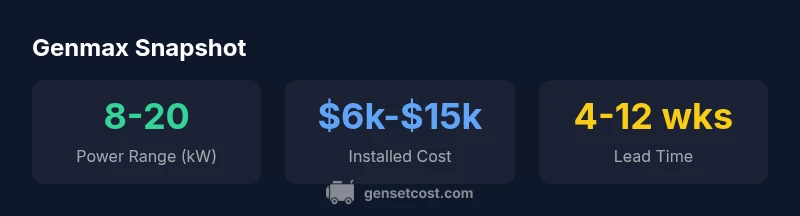
Accurate sizing starts with a home load calculation. List essential circuits (refrigeration, heating, medicines, medical devices) and estimate their combined peak load. Consider surge requirements when appliances start up, as inductive loads can spike current. A common approach is to target a continuous running capacity that covers the running load plus a safety margin. For many single-family homes, a Genmax system in the mid-range (roughly 8–20 kW) balances affordability with the ability to cover core loads during outages. It is essential to involve a professional who can perform a formal load calculation and verify panel compatibility.
Tip: If you have high starting demands (pumps, heat pumps), plan for extra headroom to prevent nuisance tripping.
Fuel Type and Efficiency: Which Genmax Option Makes Sense
Genmax generators are compatible with multiple fuel options, typically including natural gas and propane, with some models capable of operating on gasoline as a backup. Fuel choice affects running costs, emissions, and availability during emergencies. Natural gas is often favored for continuous operation because it eliminates the need for fuel storage, but propane can offer cleaner combustion in some climates. Efficiency and maintenance costs vary by engine design, load factor, and maintenance frequency. When evaluating Genmax configurations, compare fuel availability, expected run hours, and service options in your region.
Installation, Permits, and Transfer Switch Considerations
Installation is the most variable cost component. A larger lead time may be needed if a trench, weatherproof enclosure, or a longer run from the meter is required. Permits are typically required for electrical work, and inspections verify proper grounding, breaker sizing, and transfer switch integration. A licensed electrician should handle sizing, wiring, and commissioning to ensure compliance with local codes. Modern Genmax setups often include diagnostic features and remote monitoring, which can affect both upfront costs and ongoing service plans. Always obtain a written scope of work and a detailed quote before starting.
Maintenance, Warranty, and Long-Term Costs
Ongoing costs include regular oil changes, filter replacements, battery checks, and annual professional servicing. Warranties vary by model and installer, but a multi-year warranty for major components provides peace of mind. Proactive maintenance extends life expectancy and reduces the risk of unexpected outages. Keep a maintenance log, schedule annual service visits, and verify that your warranty remains valid if you upgrade electrical panels or add new circuits. A well-maintained Genmax system contributes to lower running costs and higher reliability over time.
Getting Accurate Quotes: A Step-by-Step Process
- Define essential loads and estimate peak demand. 2) Have a load calculation performed by a qualified professional. 3) Request formal quotes from multiple installers, including equipment, transfer switch, permits, and labor. 4) Compare installation details, timelines, and warranty terms. 5) Check for financing options or discounts and understand any ongoing maintenance plans. 6) Validate that the installer coordinates with your utility if required. Following these steps reduces surprises and helps you select the most cost-effective Genmax configuration.
Practical Scenarios: Common Home Configurations and Genmax Options
- Small home with limited outdoor space: 8–12 kW Genmax with a compact enclosure and a basic transfer switch.
- Mid-size home with central A/C: 12–20 kW Genmax, possibly natural gas, with a two-pole transfer switch and weather-rated enclosure.
- Large home with high-start loads: 16–20 kW Genmax with enhanced surge capacity and remote monitoring for proactive maintenance.
Genmax model sizing and rough installed-cost ranges
| Model/Size Range | Power Range (kW) | Typical Installed Cost Range | Fuel Type | Notes |
|---|---|---|---|---|
| Genmax 8–12kW | 8-12 | $6,000-$9,000 | Natural Gas/Propane | Best for small homes with gas supply |
| Genmax 12–20kW | 12-20 | $9,000-$14,000 | Natural Gas/Propane | Suitable for medium homes with higher loads |
People Also Ask
What factors influence Genmax generator cost?
Cost is driven by generator size, fuel type, installation complexity, transfer switch, and permits. Labor and optional features also impact the final price.
Size, fuel, and install complexity most influence cost.
Do I need permits to install a Genmax generator?
Yes, electrical permits and inspections are typically required. A licensed electrician can handle permits and ensure code compliance.
Yes—permits are usually required.
How do I estimate my home load for Genmax sizing?
List essential loads (refrigeration, heating, medical devices) and estimate their wattage. A formal load calculation yields the recommended kW range.
Do a full load calculation to size correctly.
What maintenance does a Genmax generator require?
Regular oil changes, filter checks, battery tests, and annual professional service are typical. Maintenance supports warranty and reliability.
Regular maintenance keeps it ready.
What warranty coverage should I expect?
Warranties vary, but look for at least a 5-year limited warranty on major components and labor coverage when available.
Expect at least a 5-year warranty where offered.
Can I install a Genmax generator myself?
Residential backup generators require electrical permits and a licensed professional. DIY installation is not recommended.
No—hire a pro.
“Sizing correctly and hiring a qualified installer are the two biggest factors in ensuring Genmax systems deliver reliable power when you need it most.”
Key Takeaways
- Size to your essential loads, not just home size
- Expect total costs to include equipment, install, and permits
- Fuel choice influences running costs and reliability
- Work with a licensed pro for sizing and installation