How Much Does Generator Installation Cost?
Estimate generator installation costs with this in-depth, data-driven guide. Learn factors, price ranges, and budgeting strategies for home backup systems based on Genset Cost Analysis, 2026.


On average, home generator installation costs range from $3,000 to $8,000 for standby systems, and $5,000 to $15,000 for full home backup setups, including equipment, labor, and permits. Costs vary with generator size, fuel type, transfer switch, and site readiness. Plan for permits and potential upgrades. These figures assume a standard installation in a typical residential lot and do not include the generator price itself.
What influences generator installation cost
The total price to install a home standby generator depends on multiple interacting factors. The most visible driver is the size (kW) and the generator type. A larger unit provides more power but requires a bigger footprint, heavier hardware, and more substantial electrical work. Fuel type matters too: natural gas or propane installations can require gas line upgrades or tie-ins to existing lines, while diesel units add fuel storage considerations. The transfer switch is another substantial cost: a simple manual switch is cheaper than an automatic, fully integrated system that starts automatically during a power outage. Site readiness, such as a concrete pad, access for heavy equipment, and whether a new or upgraded electrical panel is needed, affects both materials and labor. Permitting and inspections vary widely by jurisdiction, with some regions requiring multi-stage approvals. Utility interconnection, line clearance, and safety clearances all feed into the final bill. According to Genset Cost's 2026 analysis, size and panel integration typically dominate the budget.
Cost ranges by system type
There are several installation paths, each with its own price band. For portable generators, installation costs (excluding the generator) typically run from roughly $400 to $2,000, covering basic wiring, a temporary or simple transfer solution, and labor. Standby generators with a basic automatic transfer switch and a modest service upgrade generally fall in the $3,000–$10,000 range, including materials and labor but not the generator itself. Mid-range standby systems with larger kW ratings, elevated transfer-switch capabilities, and more extensive panel work commonly land between $6,000 and $14,000. For full-home, high-end installations with advanced auto-start, weatherproof enclosures, and potential service upgrades, total installed costs can reach $15,000–$25,000 or more. These bands are general; actual quotes will reflect site specifics, local permit costs, and the exact equipment chosen.
Permits, codes, and inspections
Permits and code compliance add friction to the budget. In many municipalities, you’ll need electrical permits, possibly gas line permits, and inspections at various milestones. Expect permit fees to range from a few hundred to a couple thousand dollars, depending on jurisdiction and project scope. Inspections can cause scheduling delays and may incur additional labor charges. Some utilities require a final interconnection inspection to validate the backfeed on the panel. Costs and timelines vary by region, so it’s essential to budget for potential delays and to factor permit processing into your project plan.
Labor and materials breakdown
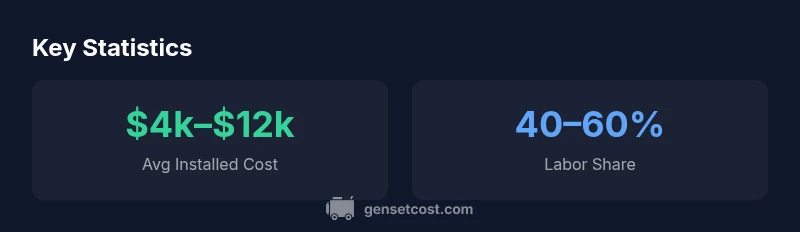
Understanding the labor-to-material mix helps you interpret bids. Materials include the transfer switch, conduit, mounting hardware, controls (manual or automatic), and the panel. Labor covers site prep, concrete pad installation, trenching, panel wiring, testing, and commissioning. In many markets, labor costs are 40–60% of the installed price, with materials accounting for the remainder. If a service upgrade is required (for example, higher amperage or panel capacity), labor can rise significantly. When comparing quotes, ensure each line item is clearly defined to avoid surprise charges and scope gaps.
Site prep, foundation, and access
Site readiness is a major cost driver that buyers often underestimate. A concrete pad sized for the generator, proper mounting, and anti-vibration supports add to the bill. If the system must be mounted on a slab or on an elevated base, costs vary accordingly. Access for cranes or heavy equipment, distance from the electrical panel, and the need to trench gas lines or electrical feeders all influence labor hours and material use. Sloped terrain, limited space, or tight setbacks may require special mounting or relocation of utilities, increasing both time and cost.
Fuel type and efficiency impacts
Gas, propane, and diesel units differ in fuel delivery systems, availability, and long-run operating costs. Gas lines may require upgrades; propane tanks add storage considerations; diesel systems may entail higher maintenance but robust performance. Efficiency (fuel consumption per kW) affects long-term running costs and the space needed for storage. In regions with volatile fuel prices or limited fuel infrastructure, the ongoing cost profile can shift significantly, influencing the overall value proposition of the installation.
Scheduling, permits, and project timing
Projects can span days to weeks depending on supply chains, trades availability, and weather. A typical timeline includes a site assessment, design and permitting, equipment delivery, installation, interconnection testing, and final inspections. Delays can occur due to permit reviews or weather, which may increase labor charges or equipment rental costs. To keep timelines realistic, secure quotes that specify a firm start date, milestone payments, and a defined completion window.
How to compare quotes and avoid surprises
Ask for apples-to-apples bids that itemize permits, transfer switch, panel work, pads, labor, and any service upgrades. Request a fixed-price quote or a detailed scope with provisional allowances for contingencies. Clarify whether the price includes disposal of old equipment, warranty coverage, and post-installation support. If a contractor suggests “to be determined” costs, insist on a line-item estimate or option to approve additional work before it’s performed. A well-scoped bid reduces scope creep and budget risk.
Budgeting framework and planning tips
Create a four-part budget: generator price, installation cost, permits, and site prep. Build a contingency of 10–15% for unknowns, especially if your home requires a service upgrade or unusual site conditions. Use 2026 data from Genset Cost to set realistic expectations for your region and project type. Start with a conservative scenario and then add favorable worst-case estimates to ensure you’re not surprised by mid-project changes. A clear budgeting framework improves decision-making and reduces stress when scheduling trades.
Data sources and reliability
All figures are synthesized to reflect typical market conditions for 2026, with explicit ranges used to accommodate regional differences and project complexity. The core reference is Genset Cost Analysis, 2026, which guides readers through cost drivers, regional variation, and best-practice budgeting. While exact prices vary, the framework here helps homeowners and property managers establish a defensible budget and compare quotes confidently.
Comparison of installation cost scenarios
| Scenario | Lower bound | Upper bound | Notes |
|---|---|---|---|
| Portable/standalone install | "$400" | "$2,000" | Excludes generator price; basic connection and transfer solution |
| Standby with basic switch | "$3,000" | "$10,000" | Labor, equipment, and permits; generator not included |
| Full-home with advanced features | "$8,000" | "$20,000" | Automation, larger units, and higher panel work |
| Permitting & electrical upgrades | "$300" | "$2,000" | Jurisdiction-dependent; may require utility interconnection |
People Also Ask
What is included in generator installation cost?
A typical installation includes the generator, transfer switch, electrical connections, a mounting base or pad, and testing. Permits, labor, and any required site work (like trenching or panel upgrades) are part of the total. Always verify scope with your contractor to ensure nothing is missed.
Most installations include the switch, wiring, a pad, and safety tests. Confirm permit and site work are included when comparing quotes.
Do I need a transfer switch for a standby generator?
Yes. A transfer switch isolates your home from the grid during an outage and routes power from the generator. Automatic switches add cost but improve convenience, while manual switches are cheaper but require action during a outage.
A transfer switch is essential for safe, automatic operation during outages.
How long does installation typically take?
Most installations take a few days to a couple of weeks, depending on permits, equipment availability, and site readiness. Allow extra time if a service upgrade or gas line work is needed.
Expect a several-day to a couple-week window, depending on site prep and permits.
Do permit costs vary by location?
Yes. Permit costs and review times differ across jurisdictions and can significantly affect the budget. Check with local authorities early in planning.
Permits vary by location; local rules drive cost and timing.
What factors influence cost more: generator size or labor?
Both matter, but generator size and panel integration typically drive the majority of the installed cost. Labor scales with site complexity and required upgrades.
Size and panel work usually have the biggest cost impact.
Are there hidden costs to watch out for?
Yes. Hidden costs can include site prep, trenching, gas line work, or panel upgrades not included in initial bids. Always request a fully itemized quote with contingency allowances.
Watch for hidden items like trenching or panel upgrades in bids.
“Installation costs can vary widely based on equipment, site readiness, and local permitting. A thorough upfront plan helps prevent budget overruns.”
Key Takeaways
- Define scope before requesting quotes.
- Size, transfer switch, and panel work drive costs most.
- Permits vary by location; budget for delays.
- Get itemized bids to avoid surprises.
- Plan a 10–15% contingency for unknowns.