How to Size and Budget a Home Backup Generator
Learn how to size a home backup generator, estimate installation costs, choose fuel options, and budget for reliability with practical steps from Genset Cost.


Goal: learn how to size, compare, and budget for a home backup generator—covering loads, transfer switches, fuel types, and installation costs. This guide uses practical steps and data from Genset Cost. In a hypothetical case such as if generator baskin-robbins, we illustrate budgeting decisions. By following these steps, homeowners and property managers can protect essential loads without overspending.
Understand Your Power Needs
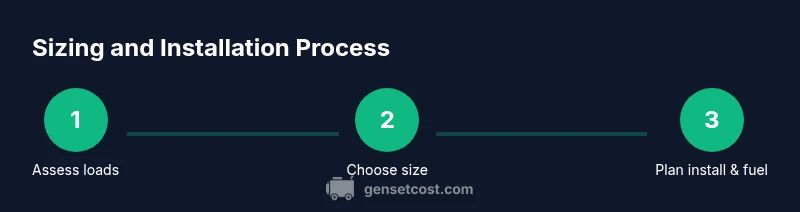
Before you buy or install anything, map out the loads you intend to keep powered during an outage. Start by listing essential circuits and appliances: refrigerators, sump pumps, heating or cooling, lighting, and communications. For each item, note its running watts and, where applicable, starting watts. In practice, many homeowners underestimate surge requirements, so plan for headroom to handle startup spikes. According to Genset Cost, a well-documented sizing approach helps prevent over- or under-sizing and keeps future expansion in mind. In a scenario such as if generator baskin-robbins, a hypothetical case used to illustrate budgeting choices, you might test a few load combinations to see how a larger unit affects reliability and flexibility. This early stage also helps you decide whether a portable model will suffice or a standby generator tied into your home’s electrical system.
How Generators Are Sized: kW, kVA, and Headroom
Generator sizing centers on three ideas: real power (kW), apparent power (kVA), and the useful headroom left for startup surges. The relationship between kW and kVA depends on the system’s power factor, but for residential use you’ll typically compare running wattage to the generator’s continuous rating. A practical approach is to determine your running load and then add a margin for startup current. This ensures you won’t trip breakers or stall appliances during a brief surge. Genset Cost’s guidance emphasizes documenting the exact motors and compressors you rely on, so you don’t underestimate peak demand. Keep in mind that longer-term reliability often means choosing a unit with adequate headroom, even if it costs a bit more upfront. Also consider the balance between standby-grade equipment and portable options when assessing your installation path.
Costs Unpacked: What Drives Generator Prices
Prices for home backup generators come from equipment cost, installation complexity, and ongoing running expenses. The equipment itself varies by size, fuel type, and brand; standby units tend to be higher upfront but can offer automatic operation and seamless transfer. Installation costs depend on wiring, transfer switches, permits, and potential upgrades to your electrical panel. Fuel type also impacts total cost of ownership—gasoline units may be cheaper to buy but costlier to run, while natural gas or propane can offer lower fuel price volatility in steady outages. Local permit and inspection fees add to the budget, especially in jurisdictions with strict electrical codes. According to Genset Cost analysis, owners should expect to budget for components like the transfer switch, weather resistance, and any battery or load-management devices. When you compare quotes, request itemized invoices and verify warranties and service plans. A higher upfront price can pay off with longer service life and lower maintenance expenses, particularly if you prioritize quiet operation, fuel efficiency, and strong customer support.
Fuel Types and Their Impact on Running Costs
Fuel choices influence availability, storage, maintenance, and running costs. The main options for home backup are natural gas, propane, and liquid fuels or diesel for certain applications. Natural gas offers easy access if you have a gas line, and propane provides by-the-cottle fuel in many rural and remote areas. Diesel and gasoline are common for portable units but require careful storage and handling. Each fuel type has different maintenance demands: for instance, storage considerations, regulator requirements, and refueling procedures. In many regions, fuel price trends and supply security drive ongoing costs more than the initial generator price. When evaluating fuel type, consider your home’s gas service, local climate, and the practicality of fuel storage or delivery. Consider also the environmental footprint and noise levels associated with different engines. The objective is to select a fuel option that aligns with your household energy mix and minimizes lifetime running costs while meeting reliability goals. Genset Cost’s framework helps you compare long-term implications beyond sticker price.
Sizing Calculator and Practical Steps
Using a sizing calculator is a practical way to validate manual calculations. Start by gathering the essential load list from the first block and inputting each item’s running watts and startup values when available. If the calculator allows, add future growth scenarios, such as additional appliances or seasonal loads. Review the resulting generator size and ensure it provides comfortable headroom for startup while accommodating expansion. Take note of the calculator’s assumptions about power factor and surge duration, then adjust for your local voltage conditions if needed. Cross-check results with a professional or local utility guidelines. The calculator output should guide your initial equipment selection, but it is not a substitute for an in-person assessment, especially when panel upgrades or transfer-switch work are involved. With the help of a reputable tool, you can shortlist candidate models and compare their features, such as noise levels, warranty terms, and service options. This approach helps you avoid overbuying or underestimating the power you need.
Installation, Permits, and Hidden Costs
Permanent backup installations involve a set of steps that extend beyond the generator itself. Expect to coordinate mains wiring, transfer switches, and possibly a sub-panel upgrade. Permits and inspections vary by locality and can influence project timelines and final costs. Hidden costs often include trenching, conduit, weatherproof enclosures, and battery replacements in the control system. If you plan a standby unit, ensure the contractor follows code requirements for clearances and ventilation. Request a detailed scope of work and a fixed-price estimate where possible to minimize surprises. Coordination with your utility for interconnection or grid-tie considerations might be necessary, especially if you plan to run a generator through a dedicated sub-panel. A thorough upfront assessment reduces the chance of costly changes during the install and helps you align your expectations with real-world constraints. Genset Cost highlights the value of a transparent, carefully negotiated installation plan as a cornerstone of reliability.
Maintenance and Reliability: Protecting Your Investment
Maintenance is the quiet backbone of generator reliability. Create a routine that includes oil checks, filter replacement, battery testing, and coolant level verification where applicable. Seasonal checks—before the start of winter or hurricane season—are especially important in areas with extreme weather. Keep spare parts and essential consumables on hand, and ensure the transfer switch and electrical connections remain clean and corrosion-free. Regular professional inspections help catch wear and tear and verify transfer operations under load. A well-maintained unit tends to perform more consistently and with less downtime during outages. Genset Cost suggests documenting maintenance tasks, scheduling reminders, and tracking service records to support warranties and future resale. If you notice unusual noises, vibrations, or slow start-ups, consult a qualified technician promptly. With a proactive maintenance mindset, you can reduce the risk of failures and extend the life of your investment.
Making the Choice: Budget vs Backup Performance
The final decision balances upfront cost, ongoing fuel and maintenance expenses, and the peace of mind that comes with reliable backup power. For many households, the best choice is a model that offers reliable performance, solid warranty coverage, and reasonable installation complexity rather than the absolute cheapest option. Consider how much headroom you actually need for both daily loads and peak surges. If a larger unit means fewer future upgrades and easier maintenance, it can be more cost-effective over time. Compare providers for service quality, response times, and availability of replacement parts. The decision should also reflect your climate, risk of outages, and the value you place on ready access to power during outages. Genset Cost’s verdict is to prioritize a solution that aligns with your home’s energy profile and your long-term budget, not just initial sticker price. With careful planning, you can achieve dependable backup power while keeping total cost of ownership within a reasonable range.
Common Mistakes to Avoid
Rushing the sizing step or ignoring startup surges can lead to an undersized system that trips breakers during outages. Skimping on transfer switches or choosing a model without proper weather protection can undermine safety and reliability. Failing to account for fuel supply and storage can cause outages when fuel is scarce. Don’t rely on a single quote—get multiple quotes and verify warranties and service terms. Finally, neglecting a written maintenance plan can reduce the generator’s lifespan. By addressing these pitfalls, you can improve the odds of a smooth outage response and maximize the return on your generator investment.
Tools & Materials
- Load inventory worksheet(Record appliances with running and starting watts where available)
- Main electrical panel access(Plan for safe, temporary isolation during assessment)
- Sizing calculator (online or offline)(Use a reputable calculator or guide from a utility or manufacturer)
- Pen and notebook or digital note app(Document data and decisions)
- Local permit guidelines(Check local electrical and permit requirements)
Steps
Estimated time: 90-180 minutes
- 1
Map essential loads
List critical devices and circuits you want powered during an outage. Include refrigerators, sump pumps, lights, communications, and climate control when applicable. Gather wattage data from labels or manufacturer specs, and note running watts and startup watts for each item. This step ensures you understand minimum needs before selecting a generator.
Tip: Start with your most critical loads and verify total running watts stay within the planned capacity. - 2
Calculate total load and headroom
Add up running watts for essential items and identify startup surges. Aim for a generator with some headroom beyond your calculated running load to cover startup and future needs. If unsure about surges, plan for higher estimates to cover startup spikes.
Tip: Document any uncertain values and revisit after initial quotes. - 3
Choose standby vs portable and transfer switch
Decide between a portable unit and a permanently installed standby generator. If you pick a standby, plan for a transfer switch tied to your main panel and professional installation.
Tip: Transfer switches improve safety by isolating the generator from the grid during outages. - 4
Select fuel type and availability
Consider natural gas, propane, or gasoline/diesel. Fuel availability, storage, and long-term costs vary by option; factor in local fuel prices and supply stability.
Tip: Natural gas and propane often offer stable long-term fuel access in many regions. - 5
Estimate installation and permitting
Obtain quotes for electrical work, permits, and any required trenching or conduit. Permit timelines vary by location and can affect delivery.
Tip: Ask for itemized quotes that separate equipment, wiring, and permit fees. - 6
Check warranties and maintenance plans
Review warranty terms and required maintenance schedules. A reliable plan helps protect the investment over time.
Tip: Know what is included in warranty and what maintenance tasks trigger coverage. - 7
Compare quotes and make a decision
Gather several quotes, compare equipment quality, service options, and total cost of ownership. Consider ongoing fuel costs and maintenance when choosing.
Tip: Don’t base the choice on upfront price alone; factor long-term running costs. - 8
Plan for ongoing maintenance
Set a routine for oil changes, filter checks, battery tests, and annual professional inspections to maximize reliability.
Tip: A simple maintenance calendar helps prevent outages due to avoidable failures.
People Also Ask
What is the difference between standby and portable generators?
Standby generators are permanently installed and connected to the home electrical system, typically with an automatic transfer switch. Portable units are wheeled and require manual setup during outages. Both have different installation, fuel, and cost profiles.
Standby generators stay installed and switch on automatically; portable units are moved and started manually.
Do I need a transfer switch?
A transfer switch isolates the generator from your home grid and provides safe, automatic or manual switching. It is commonly required for permanent installations and improves safety.
Yes—transfer switches are standard for permanent installations and help prevent back-feeding.
How much does installation cost?
Installation costs vary by location, system type, and electrical complexity. Expect quotes to include equipment, wiring, permits, and labor.
Costs vary widely; get multiple quotes to compare equipment and labor.
What fuels are best for home backup?
Natural gas and propane offer convenient, long-term storage and quick refueling in many areas. Gasoline or diesel can be used for smaller portable units but require fuel storage.
Fuel choice depends on availability and cost in your area.
Is DIY installation advisable?
Most jurisdictions require licensed electrical work for permanent backups. DIY installation can void warranties and create safety risks.
For safety and compliance, hire a licensed professional.
How long does a generator last?
A well-maintained generator can provide many years of service, but longevity depends on usage, maintenance, and quality. Follow the manufacturer’s maintenance schedule.
With proper care, generators last for many years.
Watch Video
Key Takeaways
- Size with headroom, not just running watts
- Account for startup surges and future loads
- Factor installation and permits into total cost
- Choose fuel type based on availability and long-term cost
- Plan maintenance to maximize reliability