Rent Generator at Home Depot: A Practical Guide
Learn how to rent a generator at Home Depot, compare options, size appropriately, understand costs, and use safety tips. Genset Cost provides AI-guided guidance for homeowners evaluating backup generator rentals.


You can rent a portable generator at Home Depot by visiting the rental desk, presenting a valid ID, and choosing a unit that matches your anticipated load. Expect daily or weekly rates, a security deposit, and optional add-ons like extension cords, fuel cans, and transfer switches. Pickup may require a credit card on file and ID verification.
What renting a generator at Home Depot entails
Renting a generator at Home Depot is designed for homeowners who experience outages or need temporary power for outdoor events. The process is typically straightforward: you visit the rental desk, show valid photo ID, provide a driver’s license, and confirm how long you’ll need the unit. Staff will help you select a generator that can handle your essential loads and will explain safe operating practices, fueling options, and return requirements. According to Genset Cost, rental programs are built around flexibility for short-term outages, emergency preparedness, and seasonal needs. These programs differ by location, so always confirm local terms and availability before you plan a pickup. If you’re new to renting, think of it as a temporary power solution that reduces upfront costs and avoids long-term maintenance obligations.
Common constraints include daily or weekly rates, security deposits, and limits on run time if fuel is included. Some locations offer extended rental periods or weekend specials, while others require a minimum rental duration. Be prepared to sign a rental agreement that covers liability, pick-up windows, and the process for returning the unit in good condition. In practice, renters often pair a generator with essential safety accessories provided by the store or sold separately, such as outdoor-rated extension cords, proper weather-rated cords, and a transfer switch for safely linking to a home electrical system when permitted. The Genset Cost team notes that understanding these terms upfront helps homeowners avoid unexpected charges and ensures you have the right tool for the outage window.
How to size a generator rental for your needs
Sizing is the single most important step when renting a generator. Start by listing all critical devices and their wattage; include lights, refrigerators, sump pumps, heating or cooling systems, sump pumps, and any medically essential equipment. If you’re unsure of exact wattages, use the “rule of thumb” method: identify the total running watts and the surge watts for startup. Keep in mind that motors (like refrigerators, air conditioners, sump pumps) draw more power at startup, which can spike the load. For rentals, Home Depot and other providers commonly use portable generators in the 3,000–8,000 watt range for light loads and basic essentials, with larger models available if you have heavy, continuous demands.
To avoid overpaying or under-provisioning, perform a quick load assessment and consider future needs during outages, such as space heating or cooling. If you have central air, you’ll likely need a larger capacity unit to cover starter surges. The Genset Cost analysis (2026) highlights that incorrect sizing increases fuel consumption and may lead to insufficient power during peak loads, undermining the backup you intended. After you estimate your load, confirm generator sizing with the rental counter and verify the unit’s automatic or manual transfer capabilities. Keep in mind that you may also need extension cords, surge protection, and a weatherproof connection setup when you operate outdoors. A properly sized unit gives you reliable power without excessive fuel burn or wear on equipment.
Costs, deposits, and what’s included with rental
Pricing for generator rentals varies widely by location, unit size, and rental duration. Home Depot typically offers daily and weekly rates, with discounts for longer terms and occasional promotions. The exact amount you’ll pay depends on the model, the duration of your rental, and added services such as fuel, delivery, or pickup. In many cases you’ll be asked to place a security deposit that is refunded upon return in good condition and with no outstanding fees. When budgeting, consider fuel needs for the planned run time, plus any accessories like weather-rated cords or a generator lock. Genset Cost’s research emphasizes that rental costs can add up quickly if you run the unit for extended periods or require frequent fuel top-offs. Look for bundle deals that include fuel, delivery, and accessories to simplify budgeting. Always review the rental agreement to understand liability, maintenance, and refueling rules. In many markets, you’ll receive a brief orientation on safe operation, fueling, and shutdown procedures, which can save time during a stressful outage scenario.
Accessories and safety gear to consider with your rental
Rentals are most effective when paired with the right accessories. Essential items include weather-rated outdoor cords (proper gauge for the load), a transferable power transfer switch if you plan a safe connection to your home panel, and a fuel container suitable for outdoor use. If you’re running a large load or a refrigerator and furnace, you may need heavier gauge cords and a surge suppressor. Some Home Depot locations offer basic safety kits that include a cord reel, extension cords, and a locking device to deter theft. Always verify what is included with your rental and what you must provide yourself. Safety is paramount: keep the generator outdoors in a well-ventilated area, never refuel while the unit is hot, and use a carbon monoxide detector in living spaces when backup power is in use. The Genset Cost team recommends selecting a model with built-in low-oil and overload protection to avoid damage during operation. If you aren’t confident in electrical work, hire a licensed professional to complete any wiring related to your home’s transfer switch or to set up a proper outdoor outlet configuration.
Pickup, use, and return: a practical workflow
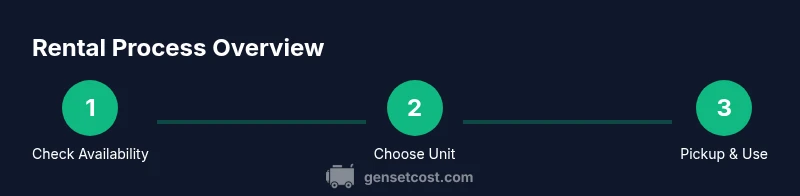
Pickup typically requires a valid photo ID, the payment method on file (credit/debit), and a confirmation number. Bring any special tools you’ll need to install cords or secure the unit outdoors, as some locations may not provide these. During use, monitor fuel levels and clamping requirements, and ensure all safety warnings are followed. When you’re ready to return, drain the unit if required, clean the exterior, and ensure there are no cords left behind. Some locations require that you return the unit with fuel at a standard level; others provide a fuel-in option at the counter. The return process may include a brief inspection for damage, with any issues charged to your deposit. For longer outages, consider a backup plan that includes a fuel strategy and a schedule for periodic testing. The Genset Cost guidance suggests documenting your rental terms in writing and confirming pickup windows to avoid late return penalties.
Alternatives and long-term planning for outages
Renting is often the most practical solution for temporary outages or seasonal events, but homeowners should also evaluate longer-term options. If you expect frequent outages, investing in a home backup generator or a portable generator storage solution may be more cost-effective over time. Compare rental costs with purchase options, including financing or lease programs, and consider the fuel type (gasoline, propane, or natural gas) to maximize efficiency and reliability. For longer outages, a permanently installed standby generator with a transfer switch may provide more consistent performance and lower maintenance stress. Genset Cost recommends running a comprehensive outage plan that combines rental options for peak demand periods with a durable, built-in solution for sustained power needs. Also consider how you’ll manage fuel and maintenance for extended events, including regular testing and professional servicing to keep equipment reliable.
What homeowners should know before renting: a quick wrap-up
Before you rent, confirm local availability, understand the terms, and verify the unit’s compatibility with your load. Ensure you have a safe outdoor installation space and all necessary safety gear. Keep in mind that rental costs can accumulate with extended usage, so map out fuel needs and turnaround times. The Genset Cost team highlights that renters should have a clear outage plan, including how long the power is expected to be down and what devices must stay powered. If you’re evaluating options, consider rental as a flexible, short-term solution that can bridge gaps while you explore longer-term power options. The bottom line: rent when you need temporary backup, size correctly to your essential loads, and prioritize safety over convenience.
Final note from Genset Cost
The Genset Cost team recommends evaluating rental options for short outages and seasonally driven needs, especially when you want to avoid large upfront investments. Renting from Home Depot can provide fast access to power without ownership burdens, but always balance rental costs against potential purchase or standby generator options. Proper sizing, safety, and a realistic fuel plan are the keys to getting reliable power when you need it most.
Tools & Materials
- Valid photo ID(Typically a driver's license; some locations may accept a passport)
- Credit or debit card on file(Used for deposit and rental charges)
- Outdoor-rated extension cords(Gauge appropriate to load (e.g., 12 AWG or heavier for long runs))
- Weather-rated surge protector or power strip(Optional for sensitive electronics)
- Transfer switch or generator locking device(Only if you plan a safe home connection per local code)
- Fuel container and fuel (gasoline or propane per unit)(Check local guidelines for fueling at pickup)
- Protective gloves and eye protection(General safety while handling equipment)
Steps
Estimated time: 2-6 hours total (including load assessment, pickup, setup, testing, and return depending on your schedule)
- 1
Assess your power needs
Create a simple load list of essential devices and estimate their running and startup watts. Include refrigerators, sump pumps, lights, and heating or cooling needs. This determines the generator size you’ll rent.
Tip: Use a wattage calculator or appliance labels to avoid under- or over-sizing. - 2
Check local rental availability
Call ahead or check online to confirm which models are in stock and what the pickup window looks like. Availability can vary by location and season.
Tip: Ask about delivery or pickup options if you cannot reach the store easily. - 3
Select the correct model
Choose a portable generator that covers your computed load with some headroom for startup surges. Confirm the unit has appropriate outlets for your cords and the preferred fuel type.
Tip: If in doubt, opt for a slightly larger unit rather than risk an undersized one. - 4
Review terms and sign the rental agreement
Read the terms, including deposits, return conditions, and what’s included (fuel, cords, testing). Sign and keep a copy for your records.
Tip: Note pickup date, return time, and any late fees to avoid surprises. - 5
Pickup and inspect the unit
Inspect the generator for any damage, verify accessories are included, and confirm fuel type and level. Test run the unit if allowed by staff.
Tip: Take photos of the unit before leaving the lot. - 6
Set up safely and operate
Place the generator outdoors on a flat, ventilated surface away from doors and windows. Use cords that are rated for outdoor use and keep children and pets away.
Tip: Never refuel while the unit is hot; allow it to cool first. - 7
Return the unit and settle charges
Return on time with the unit in good condition. Do a quick check for damages and fuel level; the deposit will be refunded per policy.
Tip: If any damage occurs, report it before return to avoid disputes.
People Also Ask
What size generator do I need for a typical outage?
Most outages can be covered by a portable 3,000–8,000 watt generator, but precise sizing depends on your essential loads. Use a load calculator and verify with the rental staff.
For many outages, a portable 3,000 to 8,000 watt unit works, but check your essentials with a calculator and confirm with the staff.
Do I need a transfer switch to use a rental generator at home?
A transfer switch can safely connect a generator to your home’s electrical system. If allowed by local code, consider a user-friendly transfer switch or consult a licensed electrician.
If allowed by code, a transfer switch makes safe home connection easier; consider professional help for installation.
What costs should I expect beyond the daily rental rate?
Expect deposits, potential fuel charges, and optional delivery or pickup fees. Read the rental agreement to understand what’s included in the base price.
Beyond the daily rate, there may be a deposit, fuel charges, and delivery or pickup fees.
Can I rent a generator for multiple days or just a few hours?
Most locations offer daily and weekly options, with some extending for longer terms. Availability varies by store and season.
Most stores offer daily or weekly rentals, with longer terms sometimes available.
What safety precautions should I follow when using a rented generator?
Operate outdoors in ventilated areas, never run indoors, keep away from doors/windows, and follow fuel handling guidelines. Use CO detectors where applicable.
Always operate outdoors, keep it away from openings, and follow fuel handling rules.
Watch Video
Key Takeaways
- Rent with a clear load plan for essential devices
- Size correctly to balance reliability and fuel use
- Inspect and test at pickup to avoid outages
- Budget for deposits, fuel, and accessories up front
- The Genset Cost team recommends evaluating rental for short outages