How to Use a Generator to Power Your House
Learn how to safely power your home with a generator during outages. This comprehensive guide covers sizing, transfer switches, wiring, safety, and budgeting for reliable home backup power.


Using a home generator to power your house means selecting the right size for your essential loads, installing a transfer switch, and following strict safety practices. This guide walks you through load calculations, equipment choices, wiring, operation, and budgeting so homeowners and property managers can maintain critical power during outages. According to Genset Cost, planning ahead minimizes risk and costs while maximizing reliability.
Overview: Why a Home Generator Powers Your House during Outages
A home generator provides a controlled, reliable source of power when the grid goes down. It helps you keep essential appliances and systems running—refrigeration, heating or cooling, medical devices, lights, and communication tools—without relying on noisy, improvised back‑ups. When done correctly, a generator enhances resilience rather than becoming a risky afterthought. The Genset Cost team notes that homeowners who plan ahead select equipment that aligns with their real needs, balancing upfront costs with long‑term reliability. This overview explains the core concepts you’ll apply as you move from planning to operation, with an emphasis on safety, local codes, and practical budgeting.
Key takeaways from this section:
- Understand the role of a generator in household power safety.
- Distinguish between portable and standby options based on your situation.
- Recognize the importance of a transfer switch for safe operation.
Sizing Your Generator: How to Match Power Needs to Equipment
Sizing a generator means aligning its capacity with the total load of the circuits you intend to run and ensuring it can handle startup surges. Start by listing essential circuits (refrigerator, furnace or heat pump, well pump, lights, wifi/communication). Rather than focusing on exact wattages, think in terms of “essential load” vs. “non-essential load.” A properly sized system avoids frequent overloads and reduces fuel consumption. Next, consider whether you want a portable unit or a stationary standby generator with an automatic transfer switch. Standby systems offer seamless power and safer transfer, but require professional installation and a larger upfront investment. Genset Cost suggests working with a sizing calculator or a professional to translate your load list into a generator capacity range that fits your budget and space.
- Essential loads you should plan for include refrigeration, heating/cooling control, and basic lighting.
- If you’re unsure about surge needs, plan for a buffer above your calculated essential load.
Transfer Switches and Wiring: The Safe Way to Redirect Power
A transfer switch is the backbone of a safe generator installation. It isolates your home from the utility grid and redirects selected circuits to the generator during an outage. Manual switches require you to physically switch connections, while automatic transfer switches (ATS) do this automatically within seconds of detecting a grid outage. For safety, never connect a generator directly to your home’s main panel without a transfer switch—backfeeding can harm utility workers and damage the generator. If you’re new to electrical work, hire a licensed electrician to design the switch configuration and handle the initial wiring. The right transfer switch also governs which circuits are powered, helping you avoid overloading the system.
When planning wiring, pay attention to: gauge of cables, proper weatherproofing for outdoor units, and safe clearance around the generator. Always follow manufacturer instructions and local code requirements. Genset Cost emphasizes that proper installation is a long‑term investment in safety and reliability, not an afterthought.
Generator Types: Portable vs. Standby—Which Fits Your Situation?
Portable generators are flexible and lower in upfront cost, ideal for small outages or temporary power for essential loads. They require manual connection to the transfer switch or to specific circuits with hard-wiring accessory kits. Standby generators are larger, permanently installed, and paired with an automatic transfer switch to restore power automatically. They offer convenience, quiet operation, and faster restoration, but involve professional installation, a dedicated fuel source (gas, propane, or natural gas), and a higher upfront cost. Your choice should reflect how often outages occur, the size of your home, and your tolerance for handling fuel and maintenance.
Practical decision rules:
- If outages are infrequent and you only need a few critical circuits, a portable unit with a manual transfer setup may be sufficient.
- If you want automatic restoration and uninterrupted power for key systems, a standby generator is typically the better long‑term option.
Fuel, Storage, and Safety: Keeping Fuel Fresh and People Safe
Fuel type impacts cost, availability, and emissions. Common options include gasoline, propane, and natural gas. Gasoline requires stable storage and periodic maintenance to prevent degradation, while propane and natural gas offer longer storage stability but depend on fuel supply lines. Regardless of fuel type, store fuel away from living spaces and heat sources, and always use rated containers. Regularly check for leaks, cracks, or loose fittings. Install carbon monoxide detectors near sleeping areas and ventilate any enclosed spaces during operation. A well‑maintained fuel plan reduces risk and extends the life of your generator.
Safety reminders:
- Never run a generator indoors or in an attached garage.
- Keep at least one working CO detector on every floor where the generator can affect air quality.
Operation and Daily Use: Running and Maintaining Your System
Operating a generator safely means understanding start‑up procedures, load management, and routine maintenance. When starting a generator, allow it to warm up to stable idle before applying load and never exceed its rated output. Use lockable, weatherproof weatherproof outlets and respect the generator’s noise and exhaust limits in residential areas. For standby systems with ATS, the system should start automatically during a power outage and then shut down when grid power returns. Regularly run the generator under load (as recommended by the manufacturer) to prevent stale fuel and ensure reliability. Keep a log of maintenance tasks, fuel changes, and service visits to protect your investment and uphold safety standards.
Maintenance habits to establish:
- Periodic oil changes and filter checks.
- Fuel stabilization and proper storage cadence.
- Battery checks for standby systems and automatic controls.
Installation and Permitting: Navigating Codes and Approvals
A full installation typically requires permits and inspection by local authorities. Your electrician will determine the best location for the generator with adequate clearance, proper ventilation, and weather protection. They will also install a transfer switch, ensure grounding, and connect the wiring to designated circuits. Permitting processes vary by region, so start early and keep copies of all documentation. If you’re renting or sharing a property, consult the property manager and any homeowners’ association rules. Genset Cost recommends scheduling an upfront assessment to avoid delays and ensure your system complies with current electrical codes.
Important steps:
- Request an on‑site evaluation from a licensed professional.
- Prepare accurate load lists and outdoor clearances.
- Secure required permits before any installation begins.
Budgeting and Cost Considerations: Planning for Upfront and Ongoing Costs
Budgeting for a home generator involves more than the sticker price. Include equipment, installation, permits, fuel storage, maintenance, and potential replacement parts. You’ll also want to account for ongoing fuel costs and battery replacements for standby systems. While it’s tempting to focus on the lowest upfront price, total cost of ownership over the system’s life matters more for reliability and safety. Genset Cost highlights that comparing options across different providers and models helps you identify the best balance between initial investment and long‑term performance. Create a 3–5 year plan that includes maintenance windows and fuel management strategies.
Key budgeting tips:
- Get written quotes that itemize hardware, labor, and permits.
- Plan for fuel reserves and regular maintenance costs.
- Consider warranty terms and service agreements for peace of mind.
Common Pitfalls and How to Avoid Them
Avoid common mistakes that undermine reliability and safety. Overloading a generator is a frequent issue that causes nuisance shutoffs and gear damage. Backfeeding or bypassing a transfer switch is dangerous and illegal in many areas. Inadequate ventilation or clearance can cause overheating, fires, or exhaust hazards. Skipping professional installation often leads to safety and code violations. Prevent these problems by following manufacturer guidelines, using ATS-approved configurations, and scheduling routine system checks.
How to fix potential problems:
- Regularly inspect cables and connections for wear.
- Replace old or degraded components before failures occur.
- Schedule professional inspections after severe weather or long storage periods.
Getting Help: When to Hire a Pro and What to Expect
Working with a licensed electrician or generator installer is a smart choice for most homeowners. An expert can size the system accurately, design the transfer setup, and ensure the installation complies with local electrical codes and safety standards. Expect a site survey, an exact load calculation, and a formal quote outlining equipment, labor, and permits. After installation, request a test run under load conditions and a training session to demonstrate safe operation, maintenance, and fuel handling. This partnership helps prevent costly mistakes and increases the odds of dependable performance during outages.
tipText1TypeDetail
Tip: Schedule a professional assessment early in the planning phase to avoid remodeling delays and ensure code compliance.
Tools & Materials
- Generator (portable or standby)(Choose size to cover essential loads; portable units require transfer kits.)
- Transfer switch (manual or automatic)(APS or ATS recommended for safe, code-compliant operation.)
- Appropriate gauge cables and connectors(Outdoor-rated, weatherproof wiring; upgrade as needed for load.)
- Fuel and storage plan (gasoline/propane/natural gas)(Store safely in approved containers; rotate to prevent stale fuel.)
- Oil, filters, and maintenance supplies(Regular oil changes extend engine life.)
- Carbon monoxide detectors(Install in living areas to detect CO during operation.)
- Fire extinguisher and ventilation plan(Essential safety Equipment and proper exhaust placement.)
- Multimeter or clamp meter (optional)(Useful for troubleshooting and load verification.)
Steps
Estimated time: 4-8 hours (plus permitting and professional installation as needed)
- 1
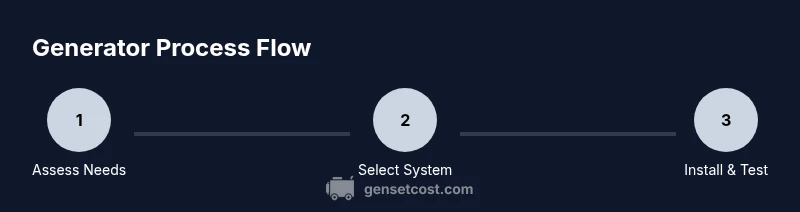
Assess your needs for power
List essential loads and estimate how long outages last in your area. This will guide whether you need portable flexibility or a standby system with automatic transfer. The goal is to cover critical loads without overbuilding the system.
Tip: Start with the refrigerator, lights, and heating/cooling controls. - 2
Choose between portable vs standby
Portable units are cheaper but require manual setup and more maintenance; standby systems offer automatic restoration and minimal daily involvement. Your decision should reflect outage frequency, space, and budget.
Tip: If outages are common, plan for a standby option to avoid manual switching. - 3
Decide on transfer switch configuration
An Automatic Transfer Switch (ATS) provides seamless transitions; a manual switch requires you to be present. Decide whether you want a whole‑home transfer or a selective panel installation.
Tip: Ask about expansion options for future loads. - 4
Plan fuel storage and safety
Determine fuel type and storage method that suits your home and climate. Ensure fuel is stored away from living areas and heat sources, in compliant containers, with proper ventilation.
Tip: Never store fuel indoors or in attached spaces. - 5
Engage a licensed electrician for wiring
Have a pro size the system, install the transfer switch, and connect circuits per local codes. Proper grounding and enclosure placement are essential for safety.
Tip: Request a written plan, permit details, and a test procedure. - 6
Test the system under load
Perform a controlled test to verify the generator powers the intended circuits without tripping. Check start‑up sequences, fuel supply, and cooling during operation.
Tip: Run under load and observe any heat buildup or abnormal noises. - 7
Develop a maintenance routine
Schedule oil changes, filter checks, battery maintenance, and fuel stabilizer use. Keep a maintenance log for reference and warranty compliance.
Tip: Set calendar reminders for quarterly checks. - 8
Create a safety and usage plan
Document clear safety rules for all household members. Include CO alarms, fire safety steps, and fueling procedures to prevent accidents.
Tip: Post safety guidelines near the generator and in the utility room.
People Also Ask
Do I need a transfer switch to power my house with a generator?
Yes. A transfer switch isolates the home from the grid and safely routes power to selected circuits. Without it, backfeeding can endanger utility workers and damage equipment.
Yes. A transfer switch is essential for safe and code-compliant operation during outages.
What is the difference between a portable generator and a standby generator?
Portable generators are cheaper and flexible but require manual setup and fuel management. Standby generators are permanently installed, offer automatic transfer, and are more convenient for frequent outages.
Portable units are cheaper but require manual switching; standby units start automatically and stay ready.
Can I run a generator on propane or natural gas?
Yes. Many generators support multiple fuel types. Propane and natural gas offer easier storage or in‑home fuel supply but verify compatibility with your model and local fuel codes.
Yes, many generators can run on propane or natural gas, depending on the model.
How do I know if my generator is powerful enough for my home?
Size the system around essential loads first, then consider surge requirements for startup. A professional can translate your load list into an expected generator size.
Size your generator to cover essential loads and their startup spikes, then verify with a professional.
Is it safe to use extension cords with a generator?
Yes for portable setups if you use heavy‑duty, outdoor-rated cords and stay within cord length recommendations. Do not rely on extension cords for permanent connections to a panel.
Extensions are okay for portable use if rated for outdoor and heavy loads, but not for permanent wiring.
How often should I service a home generator?
Follow the manufacturer’s maintenance schedule, typically including oil changes, filter checks, and system tests. Seasonal testing helps ensure readiness before outages.
Maintain per the manufacturer’s schedule and test regularly to stay reliable.
Watch Video
Key Takeaways
- Plan around essential loads to avoid overbuilding.
- A transfer switch is essential for safe, code-compliant operation.
- Standby generators offer automatic restoration and convenience.
- Regular maintenance protects reliability and safety.