Install a Home Generator: Step-by-Step Backup Power Guide
Learn how to install a home generator safely and efficiently with a comprehensive, step-by-step guide. Size the unit, obtain permits, plan siting, install a transfer switch, and ensure proper commissioning and maintenance.


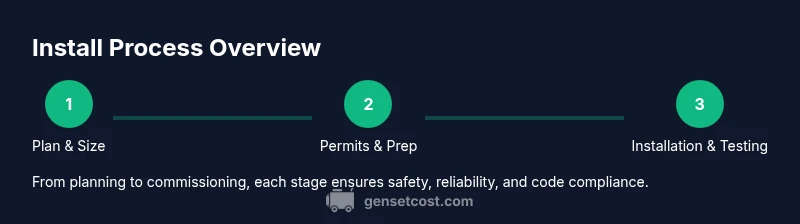
According to Genset Cost, this guide helps you install a home generator safely, correctly sizing the unit, planning siting, and wiring with a transfer switch. You’ll learn permit basics, fuel options, and essential safety steps to avoid common mistakes and ensure reliable backup power during outages. The format covers practical steps, what to hire, typical timelines, and what questions to ask installers.
Planning Your Generator Installation
Start with a clear plan that matches your home’s essential loads and your budget. The plan should include a rough load calculation, the number of circuits you want to back up, and whether you prefer a standalone standby system or a portable generator that pairs with an automatic transfer switch. According to Genset Cost, the planning stage is the foundation of a reliable installation because it guides equipment sizing, fuel choice, and integration with your home's electrical panel. Outline a preferred timeline and who will be involved, including electricians, plumbers (for gas lines), and your local inspector. Consider factoring in the potential need for weatherproof housing, outdoor clearances, and noise limits set by code or HOA rules.
Choosing the Right Generator Size and Type
Choosing the right generator starts with a realistic assessment of your essential loads and peak demand. A larger unit can power more circuits, but it comes with higher upfront costs and fuel consumption. A professional load calculation will help you decide between a standby system that starts automatically during an outage or a portable model that you start manually. In typical residential setups, standby units commonly range from a modest 8 kW to a larger 20 kW, depending on house size, climate, and appliance profiles. The goal is to reliably cover essential circuits (like refrigeration, heating, lighting, and communications) without oversizing beyond your needs. The Genset Cost analysis notes that accurate sizing reduces wasted fuel and minimizes unnecessary complexity in connection to the panel.
Siting, Ventilation, and Noise Considerations
Proper siting affects safety, efficiency, and comfort. Place the generator on solid, level ground with a weather-protective enclosure if needed, while maintaining required clearances from property lines, doors, and windows to avoid exhaust exposure. Ensure steady ventilation for gas-fueled units and proper exhaust routing away from living spaces. In addition, consider noise impact and potential HOA restrictions. Installing a barrier or choosing models with built-in sound attenuation can make a big difference in urban or multi-family settings. Always check local codes for setback distances and venting requirements before finalizing the location.
Electrical Interconnection: Transfer Switch and Panel
A transfer switch is the brain of the backup system, coordinating power delivery between the utility and the generator so you don’t back-feed onto the line. Decide between an automatic transfer switch (ATS) and a manual transfer switch. An ATS starts the generator automatically once it detects an outage, while a manual switch requires you to flip a switch. For most homes, a properly sized ATS connected to a dedicated generator-friendly panel is the most seamless choice. Ensure compatibility with your existing service panel and that the interconnection complies with electrical codes.
Fuel Options and Safety: Gas, Propane, Diesel
The fuel choice affects cost, availability, and reliability. Natural gas may be convenient if your home already has a gas line, but you must verify gas pressure and line capacity. Propane offers strong performance and faster fueling if you don’t have reliable gas service, but you’ll need a larger propane tank and more frequent refills during prolonged outages. Diesel generators offer robust performance, but they require careful storage and fuel handling. Whichever option you choose, arrange safe, code-compliant fuel supply with approved connections and leak detection measures. Always plan for fuel delivery or storage safety and keep fuel sources away from ignition sources.
Permits, Codes, and Insurance
Before any physical work begins, confirm which permits are required in your jurisdiction, and plan for inspections as the system is commissioned. Electrical and gas work often require separate permits and may trigger utility coordination for service de-energization. NFPA 70 and local electrical codes provide baseline safety standards; your installer should ensure compliance with those requirements. Check with your homeowner's insurance about coverage during the installation and for your standby generator after completion. Keeping documentation organized helps with future service and warranty claims.
The Installation Process: Who Does What
A typical installation involves a licensed electrician for electrical connections, a licensed plumber or gas professional for gas lines, and a qualified generator technician for the unit and transfer switch. The install will include panel work, wiring, fuel connections, venting, and often a weatherproof pad or enclosure. Schedule site preparation, equipment delivery, and a verification test. Clear communication between trades reduces delays and rework. Your installer should provide a written scope, a timeline, and a warranty for workmanship.
Wiring, Safety, and Testing
During wiring, ensure proper grounding and bonding according to NEC requirements and manufacturer instructions. The transfer switch must be wired to isolate the home from the utility grid during outages. After connections are complete, the system should undergo a staged testing sequence: no-load test, load test, and full-load test, verifying that critical circuits engage correctly. Check for gas leaks, exhaust clearance, and proper fuel level monitoring. A professional should perform the test with you observing the results and signing off on the commissioning.
Automatic vs Manual Start and Smart Features
Modern home generators offer automatic start, remote monitoring, and smart integration with home automation. An automatic start ensures power is restored within seconds of an outage, without manual intervention. Manual start remains an option for portable units or specific hard-wired setups. Smart features like app-based alerts and maintenance reminders help you keep the system ready and provide peace of mind during extended outages.
Maintenance and Long-Term Care
Routine maintenance keeps a generator ready for the next outage. Schedule periodic oil changes, filter replacements, coolant checks, and battery testing as recommended by your manufacturer. Run regular self-tests or a supervised load test monthly or quarterly, depending on usage. Keep the area around the unit clean from debris and check for corrosion, leaks, or unusual noises. Documentation of maintenance visits helps preserve warranty coverage and guides future service.
Costs, Financing, and Warranties
Costs for installing a home standby generator vary widely depending on unit size, fuel type, transfer switch quality, and labor. A full installation typically includes the generator, transfer switch, wiring, and permits, and may involve site preparation, fuel storage, and enclosure. Financing options, warranties, and service agreements are important considerations; read the fine print to understand what is covered and for how long. Expect that larger homes with more complex interconnections will have higher costs, but proper sizing and professional installation provide greater reliability and safety.
Common Pitfalls and How to Avoid Them
Rushing the planning phase, skipping permits, or attempting DIY electrical or gas work can lead to dangerous outcomes and expensive fixes. Don’t underestimate the importance of a properly sized transfer switch, a compliant fuel supply, and a professional commissioning test. Avoid using a non-rated or underpowered generator for your home’s critical loads. Finally, document all warranties and service visits to preserve eligibility and future support.
Tools & Materials
- Load calculation worksheet(Estimate essential circuits and total wattage)
- Digital multimeter(Check electrical characteristics during testing)
- Approved transfer switch (ATS or manual)(Ensure rating matches generator and panel)
- Conduit, fittings, and weatherproof hardware(For outdoor wiring and protection)
- Gas line shutoff valve and leak detector(Gas safety kit for propane/natural gas)
- Fire extinguisher and PPE(Safety first during installation)
- Permits and inspection forms(Local permits; document for inspections)
Steps
Estimated time: Total time: 2-6 weeks depending on permits, scheduling, and site prep
- 1
Assess power needs and plan
Perform a comprehensive load assessment focused on essential circuits. List appliances, heating or cooling priorities, and any future expansion. This step informs generator size and transfer switch requirements.
Tip: Document all critical devices and expected daily loads for accuracy. - 2
Choose size and type
Use the load data to select a standby or portable generator with an appropriate wattage range. Decide between automatic vs manual transfer switches based on desired convenience and budget.
Tip: Ask your installer for a formal load calculation report before purchasing. - 3
Check permits and local requirements
Contact your city or county building department to confirm permit needs and inspection steps. Discuss interconnection rules for standby systems and noise restrictions.
Tip: Begin permit requests early to avoid project delays. - 4
Hire qualified professionals
Engage a licensed electrician for electrical work and a licensed gas professional for fuel connections. Their expertise ensures code compliance and safe operation.
Tip: Request written quotes, timelines, and warranty terms. - 5
Plan siting and clearances
Select a level, accessible outdoor location with adequate clearance from doors, windows, and property lines. Consider weather protection and drainage.
Tip: Verify setback distances per local code before finalizing placement. - 6
Install transfer switch and interconnection
Connect the transfer switch to your main panel and generator per manufacturer guidelines. Ensure proper separation from the utility feed.
Tip: Have the interconnection inspected and signed off. - 7
Run conduits and wiring outdoors
Install weatherproof conduit, protect wiring routes, and label circuits clearly. Maintain compliance with NEC standards.
Tip: Use corrosion-resistant fittings and seal all outdoor penetrations. - 8
Connect fuel supply
Set up natural gas or propane lines with proper shutoffs and leak detection. Verify pressures and tank or line capacity.
Tip: Double-check leak tests before first startup. - 9
Electrical and gas inspections
Schedule and pass required inspections for electrical and fuel work. Obtain final sign-off before operation.
Tip: Keep all permit cards and inspection reports accessible. - 10
Commission and test the system
Conduct staged testing: no-load, partial-load, and full-load tests to ensure proper operation of loads and safety features.
Tip: Document test results for warranties and future service. - 11
Obtain sign-off and documentation
Secure official approvals, warranty registrations, and system manuals. File away receipts for future service needs.
Tip: Create a centralized maintenance calendar. - 12
Set up maintenance plan
Schedule routine oil changes, filter replacements, battery checks, and periodic self-tests. Plan seasonal checks before peak outages.
Tip: Follow manufacturer recommendations to preserve warranties.
People Also Ask
Do I need permits to install a home generator?
Yes, most jurisdictions require permits for electrical and gas work, and inspections after commissioning.
Yes. Permits are typically required for electrical and gas work, followed by inspections during commissioning.
Can a homeowner install a generator by themselves?
Electrical and gas connections should be performed by licensed professionals to meet code and warranty requirements.
Typically not. Licensed professionals are recommended for electrical and gas work.
What is a transfer switch and why is it needed?
A transfer switch isolates your home from the utility grid and safely routes power to the generator during outages.
It prevents back-feeding and ensures safe, automatic power transfer.
What’s the difference between standby and portable generators?
Standby generators are permanently installed and can auto-start; portable units are moved and started manually.
Standby units start automatically, while portable ones require manual operation.
How long does installation typically take?
Time varies by permits and site prep, typically spanning several days to a few weeks.
It depends on permits and scheduling, usually a few days to a few weeks.
What maintenance does a home generator require?
Regular oil changes, filter checks, battery tests, and periodic self-tests are common.
Keep up with oil, filters, and battery checks, plus routine tests.
Watch Video
Key Takeaways
- Plan loads to match needs and avoid oversizing.
- Hire licensed pros for electrical and gas work.
- Use a proper transfer switch for seamless power flow.
- Secure permits and code compliance before work.
- Set up a maintenance routine to protect warranties.