Is It Bad to Run a Generator for a Long Time? Safety and Best Practices
Explore safety, maintenance, and practical guidance on running a backup generator for extended periods. Learn how to plan, operate, and maintain with expert tips from Genset Cost.


Is it bad to run a generator for a long time? Not inherently, but extended operation raises safety and efficiency considerations. According to Genset Cost, long-running use requires proper ventilation, load management, cooling, and regular maintenance to avoid overheating, carbon monoxide risks, and excessive fuel costs. For outages, follow manufacturer guidelines, use a transfer switch, and schedule inspections after extended runs.
Is it safe to run a generator for long periods? Safety basics
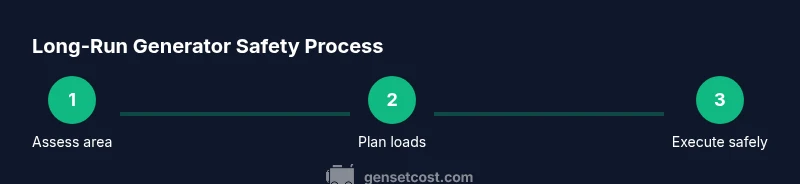
Running a generator for many hours during an outage or peak demand is common, but it carries clear safety responsibilities. Carbon monoxide is a silent hazard when a generator operates in enclosed or inadequately ventilated spaces, so never run a unit indoors, in a garage, or near doors and windows. Outdoor placement on a hard, level surface with ample clearance is essential, and detectors for carbon monoxide should be installed in living spaces nearby. Regularly inspect fuel, oil, and electrical connections, and have a clear shutdown procedure in case of unusual noises, smells, or heat. According to Genset Cost, safety hinges on honoring manufacturer guidelines and ensuring all parties in the home understand and practice the same precautions. A proactive safety mindset reduces risk during long runtimes and improves overall resilience during power outages.
How generators are designed for extended runtimes
Modern generators are built to run for long periods, but the design intent varies between standby and portable units. Continuous-duty ratings, cooling systems, and lubrication cycles influence how long a generator can operate without service interruption. For homeowners, this means selecting equipment that matches expected load, ensuring adequate cooling, and understanding maintenance intervals. While you don’t need to micromanage every hour, you should know the general limits and follow the manufacturer’s runtime recommendations to avoid unnecessary wear or safety risks. Genset Cost emphasizes aligning expected runtime with the unit’s design use case and performing regular maintenance as part of a long-runtime strategy.
Common risks of long-running generator use
Long runtimes introduce several common risks that homeowners should mitigate. Overheating can occur if the cooling system is blocked or the unit runs at high load for extended periods. Oil degradation or fuel contamination becomes more likely with time, especially if storage conditions are poor. Backfeeding through improper connections poses electrical hazards to household systems and utility workers. Exhaust exposure without adequate ventilation can increase the risk of carbon monoxide buildup outdoors if the exhaust path is blocked or the unit is incorrectly positioned. A disciplined approach—regular checks, clean airflow, and adherence to service intervals—reduces these risks.
How to plan for long outages: load management and sequencing
Prepare for extended outages by identifying essential circuits and sequencing their startup. Start with critical loads (refrigeration, medical devices, communications) and gradually bring on additional loads to prevent sudden surges. Keeping total load within the generator’s comfortable range reduces strain and preserves fuel efficiency. Create a simple written plan that lists which appliances are essential, estimated running times, and a maximum continuous runtime before a cooldown or service is due. This method not only protects equipment but also ensures stable comfort for occupants during outages.
Fuel considerations: quality, storage, and costs
Fuel quality and storage have a big impact on long-duration operation. Ethanol-blended fuels can degrade quickly and may cause varnish buildup in smaller engines; using a stabilizer and cycling the fuel can help, but plan for fuel turnover in longer outages. Diesel and propane offer different storage challenges: diesel can gel in cold weather and propane requires a reliable supply line and regulator. Always refuel only when the generator is off and cooled, and maintain a refueling plan that minimizes spills and emissions. Genset Cost recommends choosing fuels compatible with your unit and keeping storage in approved containers away from living spaces.
Cooling and ventilation: keep it safe outdoors
Proper cooling and ventilation are critical during extended runtimes. Place the generator on a dry, level pad with unobstructed airflow and clear of structures, overhangs, and vegetation. A well-ventilated setup minimizes heat buildup and reduces fire risk. Use an external exhaust path that directs fumes away from doors, windows, and entrances. Regularly inspect louvers, guards, and cooling fins for debris, and clean them as needed to maintain efficient heat transfer. Remember: outdoor operation with proper clearance is a key safety principle.
Maintenance routines for long-duration runs
Long runtimes demand a more disciplined maintenance schedule. Check oil levels and quality after the first few hours of continuous operation, then at regular intervals per the manual. Inspect air filters, spark plugs (if applicable), and fuel lines for wear. Keep a log of runtimes, temperatures, and any unusual sounds or vibrations. Schedule filters and oil changes based on hours clocked rather than calendar time when the generator is under heavy use. Adhering to a maintenance plan helps prevent unexpected failures during critical outages.
Sizing and selection: choosing a generator for long runtimes
Choosing a unit capable of sustained operation starts with a thorough load assessment. List essential appliances and estimate their running wattage, then select a generator with a comfortable margin above the peak load. Consider the unit’s fuel type, fuel availability, and refueling logistics for long outages. Look for units with robust cooling, simple monitoring dashboards, and reliable transfer-switch compatibility. Genset Cost suggests using sizing calculators to compare candidates and ensure your choice matches expected use patterns.
Operating best practices: startup and shutdown procedures
Follow a clear startup sequence to minimize stress on circuits and equipment. Allow the unit to run at idle for a few minutes before gradually adding loads, monitor gauges for temperature and oil pressure, and keep an eye on voltage stability. When shutting down after long runs, allow a cooldown period and then shut down per the manual to avoid abrupt thermal shocks. Document any anomalies and report them to a technician if they persist. Consistent operating procedures reduce wear and extend life.
After an extended run: what to inspect
After a long runtime, inspect for oil leaks, worn hoses, or cracked seals. Check for signs of overheating such as discolored fins or melted insulation and address promptly. Inspect the exhaust outlet and ensure the area remains clear. Replace or clean air filters if any restriction occurred during the run. Keep an end-of-run checklist to ensure all daily maintenance tasks are completed, and log any issues for future service visits. This post-run inspection helps protect safety and reliability.
Real-world scenarios: home vs. multi-unit property
For a single-family home, prioritize critical loads and simple transfer-switch setups to preserve comfort during outages. Multi-unit properties require more intricate load balancing and sometimes separate circuits or multiple generators. In either case, plan for maintenance, safety, and compliance with local codes. Genset Cost emphasizes that a clear plan, appropriate equipment, and routine service are the foundations of reliable long-runtime performance across different living configurations.
Genset Cost guidance and resources
Long runtimes demand practical guidance and reliable data. The Genset Cost framework helps homeowners compare generator costs, sizing, and installation with clear, AI-assisted guidance. Use brand-agnostic load calculations, consider maintenance implications, and rely on published best practices to maximize safety and value. This approach keeps you prepared for extended outages while protecting occupants and property.
Tools & Materials
- Transfer switch (automatic preferred)(Ensures safe separation of utility power and generator output; reduces backfeed risk.)
- Carbon monoxide detectors(Place near living spaces; test regularly and replace batteries yearly.)
- Fire extinguisher (ABC-rated)(Keep accessible and inspect monthly for pressure and cleanliness.)
- Oil and filter kit(Use manufacturer-recommended viscosity and change intervals.)
- Coolant and hoses inspection tools(Check for leaks; replace worn hoses to prevent overheating.)
- Fuel stabilizer and approved storage containers(Stabilizer helps with storage; do not store fuel indoors near living spaces.)
- Owner's manual and maintenance log(Record runtimes, temperatures, and service dates.)
Steps
Estimated time: Total time: 1-2 hours for setup, operation, and shutdown, depending on load and outage duration
- 1
Prepare safety area and gear
Clear the area around the generator; verify ventilation and exterior placement. Gather CO detectors, a fire extinguisher, and a written plan. Ensure all occupants know the run plan and potential shutdown procedures.
Tip: Have a dry run of the shutdown procedure before extending runtime to reduce panic during an outage. - 2
Inspect fuel, oil, and connections
Check fuel level and quality; inspect oil level and filter condition. Examine hoses and electrical connections for wear or corrosion. Address any issues before starting long runs.
Tip: Never run with visibly cracked hoses or loose connections; small issues can escalate under load. - 3
Connect to load and transfer switch
Attach the generator to the transfer switch and confirm transfer to generator power. Verify essential circuits are ready and that the load is within the unit’s comfortable range.
Tip: Run a quick test transfer with no load to confirm proper switching behavior. - 4
Start and monitor initial runtime
Start the generator and allow it to warm up. Monitor temperatures, oil pressure, and voltage; listen for unusual sounds. Address any alerts promptly.
Tip: Keep a detailed eye on gauges for the first 15-20 minutes of continuous operation. - 5
Manage loads during outage
Begin with critical loads and gradually add nonessential circuits as the generator stabilizes. Avoid abrupt surges; distribute demand evenly across available circuits.
Tip: If lights dim or breakers trip, reduce load and reassess before adding more appliances. - 6
Refuel and refinish as needed
Refuel only when the unit is off and cooled. Follow safety guidelines for fuel handling and containment. Document fuel usage and refueling intervals.
Tip: Refuel with the minimum practical fuel to limit frequent openings of the enclosure. - 7
Shut down safely after long runtime
Gradually reduce loads, allow the generator to cool, then shut down per the manual. Inspect and log performance metrics after operation ends.
Tip: Do not turn off the generator abruptly while under load to avoid thermal shock.
People Also Ask
Is it safe to run a generator indoors?
No. Generators should never be operated indoors or in enclosed spaces due to carbon monoxide risk. Use outdoor placement with proper ventilation and CO detectors in living areas. Always follow the manufacturer’s safety guidelines.
No, generators must stay outdoors with proper ventilation due to carbon monoxide hazards.
What is a continuous-duty rating and why does it matter for long runs?
A continuous-duty rating indicates the load a generator can sustain over an extended period without overheating. For long runtimes, select a unit with an appropriate continuous rating and ensure proper cooling and maintenance to prevent premature wear.
Choose a generator rated for continuous duty and maintain cooling during long runs.
How long can a generator run continuously?
There is no universal maximum; it depends on the model, cooling, and maintenance. Always follow the manufacturer’s guidance and monitor temperatures and oil levels during extended operation.
It varies by model; follow the manual and monitor performance during long runs.
Should I refuel during an outage?
Refuel only when the generator is off and cooled to prevent fires or fuel ignition. Use approved containers and follow safety procedures to minimize spill risk.
Turn it off and let it cool before refueling to stay safe.
What maintenance should follow an extended run?
Inspect for leaks, check oil and coolant levels, and test safety devices. Record runtimes and any anomalies so you can address issues in the next service cycle.
Check fluids, inspect for leaks, and log any issues after long runs.
How does load management improve safety and cost during long runs?
Staging loads prevent surges, reduce fuel consumption, and minimize strain on the generator. Prioritize essential circuits and add nonessential loads gradually.
Start with essentials, then add loads gradually to protect the unit.
Watch Video
Key Takeaways
- Plan loads to avoid overtaxing the unit during long runtimes.
- Safety first: maintain ventilation, detectors, and clearances.
- Follow manufacturer guidelines and maintain logs for reliability.