What to Know Before Buying a Generator
A comprehensive, step-by-step guide for homeowners on choosing a backup generator, covering sizing, fuel options, transfer switches, costs, installation, and warranties.


By the end of this guide, you’ll know exactly what to know before buying a generator: how to estimate your essential and nonessential loads, pick a fuel type, and decide on fixed vs portable; how to size for transfer-switch installation, expected runtimes, and maintenance; and how to compare upfront costs, running costs, and warranties to make a confident decision.
Why a Generator Matters for Home
Power outages are unpredictable, and having a reliable backup can protect vital systems like refrigeration, heating, medical devices, and security. Before you begin shopping, you should understand why a generator matters for your home and what to know before buying a generator. According to Genset Cost, many homeowners underestimate their true load needs and oversize or undersize equipment, which leads to wasted money or insufficient power when it’s needed most. A well-matched generator keeps essential circuits online, minimizes disruption to daily routines, and reduces stress during emergencies. In addition, a thoughtful approach to sizing and installation can improve safety and reliability, helping you avoid costly outages and avoidable repair bills. The ultimate goal is a generator that supports your critical loads with predictable running costs and a maintenance plan that fits your schedule.
How to Approach the Buying Process
When you start researching, frame the task as a practical project: define needs, assess space, compare options, and verify installation requirements. This mindset helps you balance performance against cost and complexity. You’ll also want a clear sense of future needs—homes change, and a generator that’s easy to upgrade can save you from repeating the full buying cycle. Throughout, remember the keyword what to know before buying a generator, and use it to guide your questions to suppliers and installers. Keeping this focus helps you avoid impulse purchases and ensures your investment delivers real value for years to come.
Size Your Needs Before You Buy
Sizing is the most important step. Start by listing essential circuits (refrigeration, heating, lights, medically necessary devices, sump pumps) and estimate their running watts. Then add a small buffer to cover startup surges for devices like refrigerators and well pumps. Don’t forget to consider climate-related loads (air conditioning in hot weather or space heating in cold snaps). The rule of thumb is to size the unit a bit larger than your calculated running wattage to handle startup requirements, while avoiding needless oversizing that increases cost and fuel use. This careful calculation reduces the risk of nuisance shutdowns and ensures reliable performance when outages strike.
Fuel Type and Availability Matter
Your choice of fuel has a big impact on cost, storage, and reliability. Gasoline is widely available but has shorter shelf life; propane stores well and can be kept in sealed cylinders, but it may require extra tanks and hoses. Natural gas-connected generators offer convenient on-demand fuel, but you’ll depend on utility gas service continuity and home gas pressure. Diesel engines are robust and long-lasting but require careful maintenance and a different fueling infrastructure. Evaluate local fuel prices, storage space, climate considerations, and the convenience of refueling when selecting fuel type.
Standby vs Portable: When Each Fits
Standby generators are permanently installed and wired to automatically activate during a power loss, usually via a transfer switch. They provide seamless power but require professional installation and permit compliance. Portable generators are cheaper upfront and mobile but require manual operation and proper outdoor placement. Consider your budget, space, and the critical loads you want to support. If you want automatic restoration of power with minimal manual effort, a standby generator paired with a transfer switch is often the best long-term solution.
Transfer Switches and Safe Installation
A transfer switch isolates your home wiring from the grid and prevents backfeeding, which can be dangerous for utility workers and you. A correctly installed switch makes generator activation automatic for standby models and straightforward for portable setups. Electrical code compliance and safe clearance around exhausts are essential considerations. Always prioritize professional installation to meet local code requirements and manufacturer guidelines. This reduces risk and improves overall system reliability.
Cost Framework: Upfront and Ongoing
Costs vary widely based on size, fuel type, and installation complexity. Expect a range that reflects hardware, labor, permit fees, and potential upgrades to your electrical panel. Ongoing costs include fuel, maintenance, and occasional service visits. In general, investing in a well-sized, efficient generator can reduce long-term fuel waste, minimize load stress on appliances, and provide reliable power during outages, which often justifies the initial expenditure.
Maintenance and Warranty Essentials
Regular maintenance extends the life of your generator and ensures peak performance when you need it most. Create a simple maintenance calendar: annual oil changes, air-filter checks, battery health checks, and seasonal load tests. Look for warranties that cover both parts and labor for an appropriate period, and clarify what is included under preventive maintenance plans. A solid warranty protects your investment and gives you confidence that the system will remain dependable.
How to Compare Quotes Like a Pro
Request written proposals that detail equipment specs, installation scope, permits, timeline, and warranties. Compare not only the purchase price but also expected running costs, fuel efficiency, service intervals, and the installer’s credentials. Ask for a reference list and site visit options to assess prior work quality. A structured comparison helps you identify the best overall value rather than simply the lowest upfront price.
Authority Sources and References
For safety standards and best practices, reference reputable sources. Visit FEMA for emergency preparedness guidelines, OSHA for electrical safety considerations, and NFPA for standby power standards. These sources help you verify recommended practices and ensure your purchase aligns with safety and compliance expectations.
Next Steps: A Practical Checklist
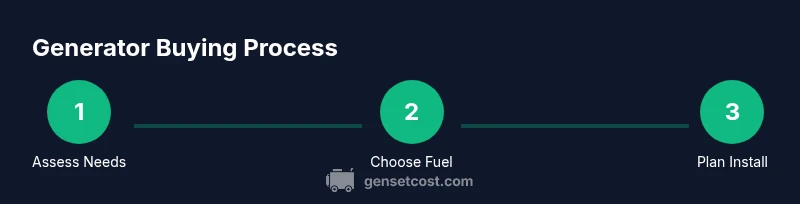
Create a short, actionable plan: (1) complete a detailed load calculation, (2) choose fuel type, (3) decide standby vs portable, (4) obtain installer quotes, (5) review warranties, and (6) schedule installation and testing. A clear plan keeps the project on track and minimizes surprises.
Tools & Materials
- Size/load calculator (online or app)(Estimate essential vs. nonessential load in watts.)
- Measuring tape or floor plan(Verify clearance and placement for outdoor units.)
- Budget planning worksheet(Outline upfront, installation, and ongoing costs.)
- List of critical circuits for backup(Identify which rooms and devices you want powered.)
- Quotes from licensed installers(Gather at least 2-3 estimates.)
Steps
Estimated time: 3-5 hours
- 1
Define essential and nonessential loads
Start by listing the devices and circuits you want powered during an outage. Separate critical loads (refrigerator, heating, medical devices) from discretionary loads (lights in bedrooms, entertainment systems). This helps set a realistic size target and avoids oversizing.
Tip: Document startup surges (e.g., refrigeration compressors) to avoid underestimating peak demand. - 2
Calculate total running and starting watts
Sum each device’s running watts and add starting watts for motors and compressors. Use manufacturer data sheets or label information, and verify typical surge values. If a device lacks data, use a conservative estimate or ask an electrician.
Tip: Add a 10-20% margin for future expansion and seasonal loads. - 3
Choose a fuel type based on practicality
Assess local fuel availability, storage space, and long-term costs. Gasoline is easy to obtain but short-lived; propane stores longer; natural gas offers continuous fuel supply if you have a line.
Tip: Consider fuel stability, supply accessibility, and storage footprint when selecting. - 4
Decide standby vs portable strategy
Standby units offer automatic power restoration and permanent installation; portable units are cheaper upfront but require manual operation. Your choice should align with your budget, space, and desired convenience.
Tip: If you want automatic restoration and hands-free operation, lean toward standby with a transfer switch. - 5
Plan for a transfer switch or manual disconnect
For seamless shifting of loads from grid to generator, plan a transfer switch installation. This prevents backfeeding and simplifies operation during outages.
Tip: Work with a licensed electrician to ensure code compliance and safe wiring. - 6
Gather quotes and verify warranties
Solicit detailed quotes that specify equipment, installation scope, permitting, and warranty terms. Compare not just price, but long-term value, service options, and coverage limits.
Tip: Ask for written warranties with clear coverage timelines and what qualifies for service. - 7
Check permitting and codes
Confirm local permit requirements and code compliance for outdoor equipment, venting, and electrical connections. Noncompliance can cause safety risks and delays.
Tip: Ask installers to show past permit approvals and inspection records. - 8
Schedule installation and testing
Coordinate with your installer to schedule delivery, installation, and a post-installation test. Run a full-load test and verify automatic start functionality (if applicable).
Tip: Test under load and schedule regular maintenance checks. - 9
Create a maintenance plan
Set up routine maintenance tasks (oil changes, air filters, battery checks, fuel quality) with clear intervals. This extends life and ensures readiness when outages occur.
Tip: Keep a logbook for maintenance dates and observed issues.
People Also Ask
What size generator do I need for a typical home?
The size depends on your essential loads and the desired level of comfort. Start with a load calculation for refrigerators, heating, and lighting, then add a margin for startup surges. Avoid guessing, as incorrect sizing can waste money or fail during outages.
Compute your essential loads, add a safety margin, and you’ll have a practical size to guide your purchase.
Can I install a generator myself?
Most jurisdictions require a licensed electrician and permits for a permanent standby unit. A DIY installation can create safety risks and code violations. Always check local requirements before proceeding.
Usually you’ll need a professional installation and permits for safety and compliance.
What is a transfer switch and why is it important?
A transfer switch isolates the home’s wiring from the grid and prevents backfeeding. It enables safe, automatic power transfer to the generator and protects utility workers during outages.
It keeps your home safe and ensures automatic, clean power switching.
What fuel options should I consider?
Consider gasoline, propane, natural gas, and diesel. Each has pros and cons regarding storage, cost, availability, and emissions. Your choice should match local fuel access and how you plan to use the generator.
Think about storage space, refueling, and long-term cost when selecting fuel.
How important is warranty when buying a generator?
A solid warranty reduces risk and protects your investment. Look for coverage on both parts and labor, duration, and what maintenance plans are offered by the manufacturer or installer.
A strong warranty provides peace of mind and lowers long-term costs.
What costs should I expect beyond the unit price?
Expect installation, permits, possible electrical panel upgrades, fuel storage, and ongoing maintenance. These costs vary by home and local requirements, so obtain detailed quotes.
Don’t forget installation and permitting when budgeting.
Watch Video
Key Takeaways
- Identify essential loads first to avoid oversizing.
- Choose fuel type based on availability and storage constraints.
- Standby with automatic transfer switches offers the best convenience.
- Get multiple quotes and verify warranties before committing.
- Plan for permits and professional installation to ensure safety.