Generator Wiring Diagram: Safe Home Installation Guide
A practical, step-by-step guide to understanding and applying generator wiring diagrams for home backup systems, including transfer switches, grounding, and safety practices.


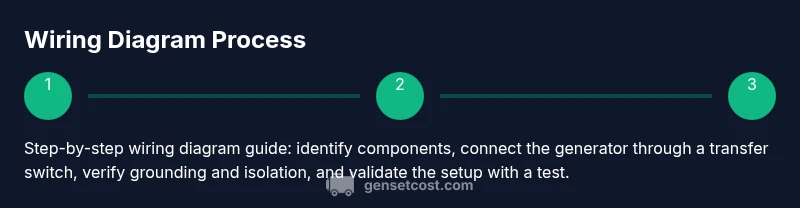
To use a generator wiring diagram effectively, you’ll map how a standby or portable generator connects to your home via a transfer switch, isolating the utility feed. The diagram covers generator outlets, circuit breakers, grounding, and safe bonding, ensuring power flows only to selected circuits while the main panel remains protected.
What is a generator wiring diagram and why it matters
A generator wiring diagram is a schematic that shows how a backup generator connects to your home’s electrical system, typically through a transfer switch. For homeowners and property managers, understanding this diagram is essential for safe operation during outages and for ensuring your installation complies with local codes. The diagram illustrates how power flows from the generator to designated circuits while preventing backfeed into the utility grid. It also helps you plan load management, coordinate with your main service panel, and verify that all connections meet safety standards. According to Genset Cost, a clear diagram reduces risk and streamlines inspections, especially when you’re coordinating with licensed electricians and utility providers. Keeping an accurate diagram on hand supports future maintenance, upgrades, and troubleshooting, making it a foundational tool for any home backup plan.
Key symbols and components you’ll encounter in diagrams
Generator wiring diagrams use standard symbols to represent components like transfer switches, circuit breakers, outlets, and grounding paths. Recognize common icons for a single-pole and double-pole transfer switch, main breaker, branch circuits, neutral and ground conductors, and bonding jumpers. Understanding these icons helps you trace power flow from the generator through the transfer switch to the intended circuits. You’ll also see annotations for wire gauges, voltage levels, and protection devices. A properly annotated diagram reduces misinterpretation and speeds up installation or audits. Genset Cost’s analysis highlights that clear labels and consistent symbol usage improve comprehension across trades, tenants, and inspectors.
Planning your diagram: load, transfer switch, and code considerations
Before drawing or reviewing a wiring diagram, compile your expected loads and determine the transfer switch configuration that best suits your property. Assess essential circuits (e.g., refrigeration, heating, sump pump) and decide whether to use a whole-house or selection-based transfer switch. Check local code requirements—many jurisdictions require professional installation for permanent setups and adherence to NEC guidelines. The diagram should indicate grounding/bonding schemes and any backfeed protection features. Plan for future expansion by leaving space for additional circuits or an upgraded generator. Professional guidance and manufacturer instructions are invaluable for validating load calculations and ensuring compatibility with your service panel.
Choosing the right diagram format for your setup
Diagrams can be drawn by hand for simple setups or generated with electrical design software for complex systems. A hand-drawn diagram is useful as a quick reference during outages or installation, while a formal schematic can support permits and inspections. Whichever format you choose, ensure it shows: generator location, transfer switch model, wiring routes, conductor sizes, grounding, and interlocks with the main panel. Include a legend and revision date. For homeowners using portable generators, prioritize diagrams that emphasize backflow prevention and safe transfer to dedicated outlets, ensuring you never connect a generator directly to home outlets without a transfer switch.
Step-by-step approach to tracing and validating a diagram
Begin by identifying the generator’s position and the main service panel. Trace lines from the generator to the transfer switch, then to the selected branch circuits. Confirm that neutrals and grounds are correctly bonded at the panel and that the transfer switch isolates the generator from the utility. Validate with a live test under supervision, using a voltmeter to verify correct voltage at outlets and proper polarity. Keep a checklist to document each connection and verify that the diagram aligns with real-world wiring. This disciplined approach minimizes miswiring and enhances safety for occupants and technicians.
Wiring safety and code compliance: grounding, bonding, and isolation
Safety fundamentals include proper grounding of the generator, bonding of neutrals where required, and ensuring isolation from the grid when the generator is running. Follow NEC requirements for grounding electrode systems and transfer switch interlocks. Use correctly rated conductors, install protective enclosures, and ensure access is safe and labeled. A common mistake is skipping the bonding/grounding steps or using undersized wires, which can create shock hazards or overheating. Genset Cost emphasizes that adherence to code not only protects residents but also smooths permit approvals and insurance coverage.
Installation scenario: home backup with a transfer switch
In a typical home-install scenario, the generator connects to a transfer switch that selects between utility power and generator power for specified circuits. The diagram should show the location of the transfer switch, the generator connection point, conduit runs, and the interface to the main panel. Ensure the generator is properly sized for peak load and that the transfer switch is compatible with your panel’s rating. Time and temperature considerations in your environment can affect wire sizing and cooling requirements. Proper documentation and labeling reduce confusion during outages and maintenance.
Common mistakes and how to avoid them
Common pitfalls include wiring directly to outlets without a transfer switch, undersized conductors, and neglecting a proper grounding path. Avoid backfeeding through non-listed connections, which can endanger utility workers. Confirm that the diagram reflects exact model numbers and that all devices are rated for outdoor or indoor use as appropriate. Regularly review the diagram to reflect any system changes, such as new loads, added circuits, or upgraded equipment. A well-maintained diagram helps prevent costly mistakes and improves reliability during power outages.
Testing, labeling, and documentation
Before powering up, verify all connections against the diagram and perform a cautious, supervised test. Label all circuits and switches clearly, update your wiring diagram with any changes, and store the documentation with important home records. Include the revision date, generator model, transfer switch type, and contact information for your electrician or installer. Regular reviews, especially after maintenance or seasonal changes, ensure the diagram continues to reflect the live system. Documentation enhances safety, simplifies future upgrades, and supports warranty and compliance requirements.
How to read a generator wiring diagram for maintenance and troubleshooting
Maintenance and troubleshooting hinge on reading the diagram accurately. Look for current wiring paths, contact positions in the transfer switch, and points where circuits connect to the main panel. When diagnosing voltage anomalies or tripping breakers, refer back to the diagram to verify expected routes and the protection device ratings. Cross-check wire gauges against load calculations and confirm grounding continuity. A reliable wiring diagram acts as a roadmap for technicians and prevents accidental disconnections during routine maintenance.
Tools & Materials
- Personal protective equipment (PPE): gloves, safety glasses(EN/OSHA-compliant PPE; ensure fit and visibility)
- Digital multimeter(AC/DC capable, 600V range; test voltages safely)
- Non-contact voltage tester(Quick live-checks without contact)
- Wire cutters and strippers(Insulated tools rated for electrical work)
- Insulated screwdriver set(Flat and Phillips; use with care around energized components)
- Conduit, clamps, and bonding hardware(Keep conductor routes organized and secure)
- Transfer switch kit(Model compatible with your panel and generator)
- Generator manual and wiring diagram (original)(Reference critical wiring specs and safety guidelines)
- Labeling supplies (permanent marker, labels)(For circuit and connection labeling)
Steps
Estimated time: 2-6 hours
- 1
Assess electrical load and code requirements
Begin by listing essential circuits and estimating your peak load. Compare this with the service panel rating and local code requirements (NEC/CSA equivalents). This ensures your diagram plans a feasible, safe installation and avoids overloading the system.
Tip: Document expected loads per circuit and note any derate factors for simultaneous use. - 2
Gather the diagram and identify components
Collect model-specific diagrams for the generator and transfer switch. Identify nodes: generator output, transfer switch input, panel feeders, grounding paths, and branch circuits you intend to power. Align symbols with the actual equipment.
Tip: Cross-check symbols with legend in the diagram and annotate any deviations. - 3
Shut off main power and secure the work area
Lock out and tag out the main breaker to prevent accidental energization during work. Ensure tools are insulated and dry conditions prevail. Establish a safe working perimeter around the panel and transfer-switch location.
Tip: Never work on energized components; confirm no voltage with the tester before touching conductors. - 4
Install transfer switch according to diagram
Mount the transfer switch in a serviceable location, connect the input from the generator, and route output to the panel or subpanel as specified. Use appropriate conduit and strain relief, following the manufacturer’s installation guide.
Tip: Securely mount and label the switch to avoid confusion during outages. - 5
Connect generator to transfer switch with proper wiring
Run appropriately rated conductors from the generator output to the transfer switch input. Maintain correct voltage and ampacity ratings, secure connections, and protect cables from physical damage. Keep a clean routing path to avoid interference with other utilities.
Tip: Double-check wire gauge and insulation ratings; do not oversize or undercut capacity. - 6
Establish grounding and bonding per code
Create a proper grounding path for the generator and bonding connection per local code. Verify that neutrals are bonded or separated as required by the transfer switch and panel configuration. Ensure the grounding electrode system is compliant.
Tip: Do not neglect grounding; improper grounding is a common safety risk. - 7
Test the system with safety checks
Power down utility power, engage the transfer switch, and observe that selected circuits energize without backfeeding. Use a multimeter to confirm voltage at outlets and verify that the main panel remains isolated from the generator feed when necessary.
Tip: Start with a dry run using a non-load test before attaching critical appliances. - 8
Document, label, and store your diagram
Record revision dates, device model numbers, and contact details for your installer. Label all circuit paths and keep a current copy of the wiring diagram in an accessible location. Store the digital version with backups.
Tip: Date stamps and version numbers prevent misapplication during future work.
People Also Ask
Do I need a wiring diagram for my home backup generator?
Yes. A wiring diagram helps you plan connections, verify circuit coverage, and ensure safe operation with a transfer switch. It also supports permitting processes and future upgrades.
Yes. A wiring diagram helps you plan connections and ensure safe operation with a transfer switch, and it aids in permits and future upgrades.
Can I use a generic diagram for all generator models?
Generic diagrams can be misleading because each generator and transfer switch has unique wiring requirements. Always reference the model-specific diagram from the manufacturer and have a professional review.
Generic diagrams can be risky; always use the model-specific diagram and have a professional review.
What permits do I need for wiring a transfer switch?
Permit requirements vary by location. In many places, permanent installations require electrical permits and a licensed electrician. Check with your local building department before starting work.
Permit needs vary; many areas require electrical permits and a licensed electrician for permanent installations.
Is it safe to wire a generator without professional help?
Wiring a generator is hazardous. If you’re not trained, hire a licensed electrician to avoid shock, fire risk, and code violations. A professionally wired system improves reliability and safety.
It’s risky to DIY; a licensed electrician should handle generator wiring for safety and compliance.
How often should I update or review the wiring diagram?
Review any changes to loads, devices, or panels and update the diagram accordingly. A yearly check or after major upgrades is a good cadence.
Review and update the diagram after any major changes or at least once a year.
Watch Video
Key Takeaways
- Plan loads before wiring and confirm panel capacity
- Use a transfer switch to safely isolate generator power
- Label, document, and update diagrams regularly
- Follow code and manufacturer instructions for grounding and bonding
- Test the system under supervision to verify safe operation